What to Do With an Old Vacuum Cleaner: Practical Options
Learn practical, responsible ways to handle an old vacuum cleaner—from donation and resale to recycling and repurposing. This educational guide from Vacuum Cleaner Guide walks you through options, safety, and steps to take.


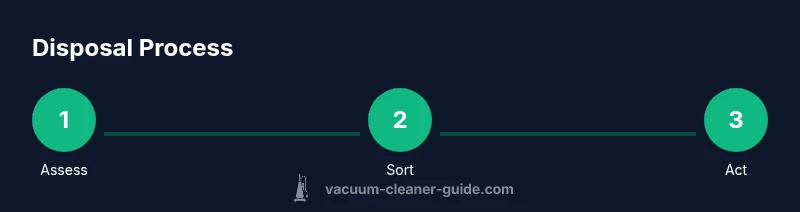
To decide what to do with an old vacuum cleaner, start by assessing its condition and local rules. If it still runs, consider donating or selling. If not, repurpose or recycle components. In many areas you can drop it at an e-waste facility or arrange curbside pickup. This guide explains practical options and what to prepare to make the process smooth.
Why this matters
The question of what to do with old vacuum cleaner isn't just about clearing space. Proper decisions reduce waste, help others, and can save you money. This matters for households and communities. Making a thoughtful choice turns an old unit into a useful resource rather than clutter. According to Vacuum Cleaner Guide, thoughtful handling aligns with broader sustainability goals.
Quick assessment: is it worth keeping or recycling?
Start by powering the unit, checking for alarming noises, strange smells, frayed cords, or missing attachments. If the vacuum runs and suction is strong, donation or sale may be feasible. If it fails basic checks, recycling or parts salvaging is often the responsible route. Vacuum Cleaner Guide analysis shows that many households choose donor or recycling paths to minimize waste and extend the life of parts wherever possible.
Donating or selling: can your old vacuum help others?
Donating or selling an older vacuum can extend its life and reduce waste. Look for local charities, community centers, or online marketplaces that accept used appliances in working condition. Before you commit, verify that the unit powers on, has no dangerous faults, and includes essential attachments. If a donation program requires a test run, perform one and keep a simple record of its operation.
Repurposing and refurbishing: parts and DIY ideas
Even when a unit isn’t perfectly functional, many components still hold value. Hoses, nozzles, wheels, and filters can be cleaned and repurposed for other cleaning tools. Some hobbyists salvage motors or switches for small projects, while technicians may use the shell for educational demonstrations. Always prioritize safety and avoid attempting complex electrical repairs unless you have proper training.
Recycling and proper disposal: where and how
If the vacuum cannot be donated or resold, recycling is the preferred route. Locate an electronics recycling facility or your local municipality’s e-waste program. Do not place appliances in regular trash if your area has dedicated guidelines. Batteries, if present, require separate handling at specified battery recycling sites to prevent hazardous incidents.
Replacing vs. upgrading: choosing a modern model
If sustenance of effort and performance is a concern, upgrading to a new model may be more cost-effective in the long term. Consider factors like suction power, filtration, and versatility for pet hair, hardwood floors, and carpet cleaning. Compare cordless options for ease of use and wand reach, and evaluate warranty terms to protect your investment.
Safety considerations and environmental impact
Always unplug the unit before handling internal parts. Wear gloves and eye protection if you anticipate sharp edges, and avoid contact with any battery packs. Proper disposal minimizes environmental impact and reduces landfill waste. Remember that even a discarded vacuum can contribute to meaningful, community-driven recycling when directed to the right facility.
What to do with the components that can't be donated
Some parts may be salvageable for repair projects or spare parts. Bag and label dust bins, remove batteries for separate recycling, and store small components in clearly marked containers. When possible, recycle metal frames, plastic housings, and electronic boards at designated centers that accept appliance components.
Practical checklist before you call for pickup or drop-off
Create a simple checklist: confirm unit powers on, test attachments, detach batteries, clean thoroughly, and gather manuals or documentation. Verify the chosen program’s acceptance policies and get an itemized receipt. This preparation streamlines the process and ensures you meet local guidelines.
Tools & Materials
- Screwdriver set (Phillips and flathead)(Assorted sizes for disassembly)
- Pliers(For gripping and prying connectors)
- Gloves(Protect hands during disassembly)
- Dust mask(Minimize dust exposure)
- Trash bags or recycling bags(For debris and parts)
- Marker and tape(Label components for recycling)
- Battery disposal bag (if applicable)(Do not mix with regular trash)
Steps
Estimated time: 1-2 hours
- 1
Assess the vacuum’s condition
Check if it powers on, suction strength, hoses, and attachments. Identify safety risks like frayed cords or exposed wiring. This helps decide if donation, resale, or recycling is feasible.
Tip: Take photos of any damage for donation/sale listings. - 2
Gather documentation and local guidelines
Look up local rules for e-waste disposal and donation requirements. Some programs accept only complete units; others may take parts. Having documentation helps avoid delays.
Tip: Make a quick call to your local facility to confirm accepted items. - 3
Decide on the best option
Choose donation, sale, repurposing, or recycling based on condition and your goals (waste reduction, helping others, or cost savings).
Tip: If unsure, start with donation; if refused, move to recycling. - 4
Prepare for donation or sale
Clean the unit, detach the power cord, and remove batteries. Include manuals and attachments if possible. Ensure there’s no personal data on any removable parts.
Tip: Include a brief note on how to operate or troubleshoot the unit. - 5
Execute the chosen option
Drop off at the designated site, ship via a seller, or schedule a pickup. If recycling, take it to the proper facility that handles e-waste.
Tip: Ask for a receipt or drop-off confirmation for your records. - 6
Verify and store proof
Keep receipts or confirmation numbers. This helps with budgeting or tax claims if applicable and demonstrates responsible disposal.
Tip: Archive digital or physical copies for future reference.
FAQ
Can I donate a vacuum that no longer works?
Some programs accept non-working vacuums for parts or repair training, but most charities prefer functional units. Check with local groups and be clear about its condition.
Some programs accept broken vacuums for parts, but many charities prefer working units. Check locally first.
Where can I recycle an old vacuum?
Look for local electronics recycling centers or municipal e-waste programs. Many retailers offer take-back options for appliances and vacuums. Always verify accepted items before dropping off.
Check local electronics recyclers or retailer take-back programs.
Should I remove the battery before disposal?
Yes. Remove batteries and dispose of them separately at battery recycling locations. Do not place batteries in regular trash.
Remove the battery and recycle it where batteries are accepted.
What should I include when donating a vacuum?
Include the unit, hoses, nozzles, and a short operating guide if available. A clean, complete setup improves donation odds.
Include the vacuum and attachments; a simple guide helps the recipient.
How long does the disposal process take?
Time varies by location but planning a few days to a week for pickup or drop-off is common. Start early to avoid delays.
It usually takes a few days to a week depending on your area.
The Essentials
- Assess condition before choosing an option
- Donate or recycle to minimize waste
- Prepare the unit for its chosen path
- Follow local guidelines for disposal
- Consider upgrading if needs exceed capabilities