What to Do With an Old Vacuum Cleaner UK: A Practical Guide
Learn what to do with an old vacuum cleaner in the UK. This guide covers repair, donation, recycling, and safe disposal options, with practical steps and tips for homeowners and pet owners.


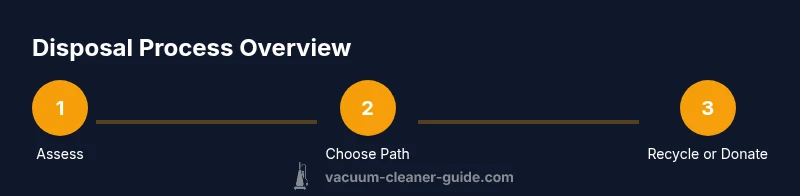
If you’re wondering what to do with an old vacuum cleaner UK, start by assessing its condition to decide between repair, donation, selling, or recycling. Check for safety issues, remove batteries if present, clean the unit, and research local disposal options. This guide from Vacuum Cleaner Guide highlights practical, compliant routes that save money and reduce waste.
Why disposing of an old vacuum cleaner in the UK matters
Disposing of old vacuum cleaners properly helps reduce electronic waste, conserve resources, and keep homes safe from potential hazards. Vacuum cleaners contain plastics, metals, and motors that, when recycled correctly, can be redirected into new products rather than ending up in landfill. In the UK, local councils and dedicated recycling centers offer pathways for responsible disposal or recycling. By choosing smart options, homeowners and pet owners can minimize environmental impact while keeping living spaces clean and safe. According to Vacuum Cleaner Guide, a thoughtful disposal strategy aligns with broader sustainability goals and supports a circular economy for household appliances.
Assessing the vacuum's condition: repair or replace
Before deciding what to do with an old vacuum cleaner UK, perform a quick but thorough check. Plug in a mains-powered model to see if it runs, listen for unusual noises, and inspect belts, brushes, cords, and filters. For cordless models, check battery health and safety warnings. If the device runs with minimal issues, consider basic repairs or part replacements (filters, belts, seals) that often extend life at low cost. If power is absent or safety features fail, recycling or donation may be the best option. Vacuum Cleaner Guide recommends weighing repair costs against the price of a replacement to minimize waste and expense.
Donating your old vacuum cleaner in the UK
Donating a working vacuum cleaner is a generous option that benefits others and reduces landfill. Look for local charities, community groups, or charity shops that accept appliances in good working order. Ensure the unit is clean, complete (with attachments), and free of hazardous components. Some agencies may require proof that the device has been decontaminated and that it is safe to operate. If you can’t find a donation option, consider gifting to a neighbour or posting a local notice—if the item still functions, someone may appreciate a free or low-cost upgrade. Vacuum Cleaner Guide notes that donations can have a meaningful environmental impact when equipment is reused rather than discarded.
Selling or gifting a vacuum you no longer use
If the vacuum is still functional, online marketplaces or local exchanges can be a practical route to recoup some value or simply pass it along. Describe the model, include photos, and disclose any issues upfront to avoid disputes. If the unit is older or shows wear, consider a low-cost gift or offering it for free to someone who can use it. Always remove personal data from manuals or serials if applicable and provide clear safety and operating instructions. This helps ensure the device finds a good home and reduces the likelihood of waste.
Recycling and bulky waste options in the UK
For non-working units or models not suitable for donation, recycling is the preferred route. Check your local council for bulky waste collection or arrange a drop-off at a Household Waste Recycling Centre (HWRC). Before drop-off, remove batteries (if any), detach hoses and accessories, and ensure the unit is dry and clean. Some councils require a small disposal fee or offer a recycling voucher in exchange for proper recycling. Always consult official council pages to confirm accepted items and procedures. Recycling keeps hazardous components out of landfills and supports the recovery of materials like copper, plastics, and steel.
Dismantling for parts: what to keep and what to recycle
Some components of an old vacuum cleaner can be repurposed or recycled separately. Remove any detachable batteries with care, and separate metal housings, plastics, and copper wiring where possible. Do not attempt to dismantle sealed safety devices or claim to repair electronics beyond basic maintenance. Place metal parts in a designated recycling bin and plastics in the appropriate plastic recycling stream. For safety, disconnect power before any disassembly and wear gloves to protect fingers from sharp edges. This approach helps maximize material recovery while minimizing hazards.
Safety considerations and legal guidelines in the UK
Always unplug the unit before handling. For corded vacuums, avoid water exposure and do not operate near flammable materials. Batteries, if present, require proper disposal and must be recycled separately according to local rules. In the UK, appliance recycling is governed by energy and waste regulations that encourage making use of approved recycling channels rather than disposing of devices with household waste. Following these guidelines protects the environment and reduces risk of injury to waste collection staff.
Creative repurposing ideas for an old vacuum cleaner
If the vacuum is beyond practical repair, get creative with repurposing. Parts like hoses can become garden supports or cable organizers, and the canister may become a plan pot or storage container with some sanding and finishing. Upcycling keeps useful materials out of landfills and can be a fun project for families. Always consider safety first when repurposing, especially with electrical or battery components. Vacuum Cleaner Guide encourages imaginative reuse as a viable alternative to disposal.
Costs and practical considerations in the UK
Costs vary by region and service. Some councils offer free bulky waste pickup, while others may charge a modest fee or provide recycling vouchers. If a donation or resale is possible, those options can offset disposal costs and extend the equipment’s life. Always check the official council pages for current policies and any required booking steps. Understanding these options helps homeowners plan a sustainable path for their old vacuum cleaner.
Common mistakes to avoid
Avoid dumping a non-working vacuum in general waste or neglecting to remove batteries where required. Do not assume a non-working unit has no salvageable value—many parts can be recycled or reused. Skipping safety steps, such as failing to unplug the device or mishandling sharp edges, can create hazards for you and waste staff. Finally, avoid relying on unverified online advice when it comes to disposal rules; official local guidance ensures compliance and proper recycling.
Quick pre-task checklist for disposal or donation
Before you start, gather: a cleaning cloth, gloves, screwdriver set, batteries (to remove safely), bags or boxes for parts, and your local council’s bulky waste or HWRC information. Confirm the item type is accepted for donation or recycling and note any required booking steps. Having a plan saves time and ensures you follow the correct channels for responsible disposal.
Final note: planning ahead for future purchases
When buying a new vacuum, look for models with longer lifespans, easily replaceable parts, and clear disposal instructions. Consider energy efficiency and repairable components to reduce waste from the outset. A thoughtful approach to end-of-life planning aligns with the expectations of homeowners and pet owners who want reliable, responsible cleaning solutions. Vacuum Cleaner Guide summarizes the best practices for a smooth transition from old to new while minimizing environmental impact.
Tools & Materials
- Screwdriver set (Phillips & flathead)(For removing panels and attachments)
- Gloves(Protect hands during handling and disposal)
- Heavy-duty trash bags(For safely containing loose parts)
- Cardboard box or bubble wrap(To protect components during transport)
- Batteries (remove if removable)(Follow local rules for battery disposal)
- Access to local council bulky waste or HWRC(Check booking requirements and accepted items)
Steps
Estimated time: 2-3 hours
- 1
Test the vacuum condition
Power on a corded unit or attempt operation on a cordless model to verify basic function. Listen for unusual noises and observe any smoke or burning smells. This helps determine if repair is cost-effective or if recycling is the preferred path.
Tip: Document any issues with photos to share with a recycler or charity. - 2
Power down and unplug
Ensure the device is unplugged and cool before handling. For cordless models, remove the battery if possible and follow manufacturer safety guidelines to avoid damage or shock.
Tip: Keep the battery separate and store safely away from children. - 3
Remove detachable accessories
Detach hoses, nozzles, and extension wands. These parts can sometimes be donated separately or recycled with plastics. Keep track of which pieces belong to the unit to facilitate reassembly later if donated.
Tip: Bag small parts so they don’t get lost. - 4
Assess the battery disposal needs
If the vacuum has a removable battery, determine if it’s a lithium-ion pack. If so, follow local guidelines for battery recycling and avoid placing it in general waste.
Tip: Do not cut or crush the battery; transport to a designated recycling site. - 5
Choose the disposal path
If the unit runs well, consider donation or resale. If not, prepare it for recycling at a local HWRC or bulky waste collection. Gather required documents and booking details before you go.
Tip: Always confirm accepted items with the council ahead of time. - 6
Clean the unit
Wipe down the exterior and empty the dust compartment. Clean filters to improve appeal if donating. A clean unit is more likely to be accepted and used by someone else.
Tip: Use a damp cloth and mild detergent; avoid soaking electrical components. - 7
Dismantle safely for parts
If you’re recycling parts yourself, remove easily detachable components per safety guidelines. Do not expose or disassemble sealed electronics. Sort metals, plastics, and copper wiring carefully.
Tip: Keep a labeled bag for each material stream. - 8
Prepare for drop-off
Place the unit in a stable area for transport. If bulky, arrange assistance or a lift. Ensure no hazardous fluids remain in the device.
Tip: Use a tarp or old sheet to protect your car interior. - 9
Complete the disposal or donation steps
Deliver to the HWRC or arrange a bulky waste pickup, bringing any required documents. If donating, provide the recipient with basic operating instructions.
Tip: Request a receipt for recycling or donation for your records. - 10
Record the outcome
Note down where your appliance went and what materials were recycled. This helps track environmental impact and can inform future decisions about electronics.
Tip: Keep a small file with disposal receipts and photos. - 11
Consider future maintenance
When buying a new vacuum, choose a model with easier parts replacement and better energy efficiency to reduce future waste. Favor brands that publish clear end-of-life guidance.
Tip: Choose models with widely available replacement parts. - 12
Plan for next time
Establish a routine for periodic maintenance and early recycling. Keep a simple checklist near your cleaning area so you’re ready when it’s time to upgrade.
Tip: Set a reminder to review appliance end-of-life options every few years.
FAQ
Can I just throw away an old vacuum cleaner with my regular trash in the UK?
No. Old vacuums should be recycled or donated when possible. They contain materials that can be recovered and disposed of via council or recycling centers to minimize environmental impact.
No. You should recycle or donate an old vacuum cleaner instead of putting it in regular trash to reduce waste and recover materials.
Are charities in the UK likely to accept old vacuums?
Many charities accept working vacuums or those that can be repaired for reuse. Contact local organizations to confirm conditions and whether components like hoses or filters are needed.
Charities may accept working vacuums or those that can be repaired. Check with local groups for specifics.
What should I do with a vacuum that doesn’t work at all?
Recycle the unit through your council’s bulky waste program or HWRC. Remove batteries if possible and separate materials to maximize recycling value.
Recycle a non-working vacuum via your council or HWRC and separate any batteries or metals.
Can I sell an old vacuum or give it away for free?
If it still runs, you can sell it or give it away locally. Be honest about its condition and include photos. Donating is also a good option if you want to avoid listing.
Yes, if it runs, you can sell or give it away. Be clear about its condition and share photos.
What are the key safety steps when handling an old vacuum for disposal?
Unplug the device, remove batteries where possible, and avoid handling sharp or hot components. Wear gloves and keep liquids away from electrical parts.
Unplug it, remove batteries if possible, wear gloves, and keep away from liquids.
How can I estimate the cost of disposal or recycling?
Costs vary by local authority. Some services are free, others have small fees or vouchers. Always check your council’s official guidance for current options.
Costs vary by council; check your local guidance for up-to-date options and any fees.
Watch Video
The Essentials
- Assess before acting to choose the best path
- Donating or recycling reduces waste and helps others
- Follow local UK guidelines for batteries and electronics
- Properly prepare and transport items to avoid hazards
- Plan for future purchases with repairability in mind