How to Clean Carpet from Dog Vomit: A Step-by-Step Guide
Learn a pet-safe method to remove dog vomit from carpet using blotting, enzyme cleaners, rinsing, and odor control. Vacuum Cleaner Guide shares proven steps for quick, effective results.


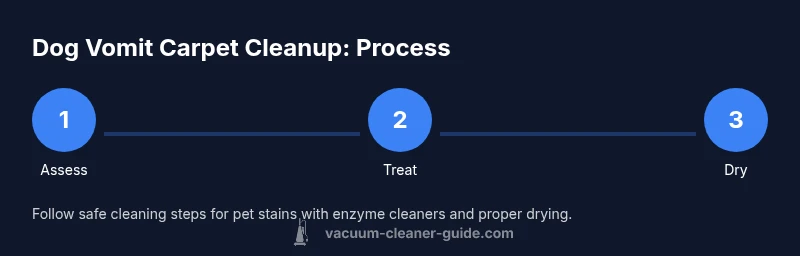
To clean carpet vomit from a dog, start by removing solids, blot the area, and apply an enzyme-based cleaner. Let it dwell, blot again, then rinse and blot dry. Finish with a deodorizer, and repeat for stubborn stains. This plan helps prevent set-in stains and odors.
Why prompt cleaning matters for dog vomit on carpet
Dog vomit on carpet can quickly set-in odors and stains due to proteins and stomach acids. According to Vacuum Cleaner Guide, prompt cleaning reduces odor retention and makes stain removal easier. When you learn how to clean carpet from dog vomit, you address the immediate mess, protect carpet fibers, and prevent lingering smells that attract your pet back to the same spot. This guidance covers why timing matters, how vomit interacts with carpet fibers, and a practical approach that blends blotting, enzyme action, and proper drying to restore a fresh surface.
Assess the spill and safety considerations
Before you start, assess the spill size and the carpet type. Put on gloves to protect your skin and keep pets and children away from the work area. Check the carpet fiber and colorfastness: synthetic carpets tolerate water-based cleaners well, while natural fibers like wool require gentler approaches. If the stain is old or a large spill, you may want to limit moisture to prevent wicking and secondary staining. This evaluation helps you choose the right cleaner and technique, reducing the risk of damage to your carpet and your home.
Gather supplies: a quick toolkit
A small, well-chosen toolkit speeds up the job and reduces mess. Essential items include white microfiber towels, an enzyme-based carpet cleaner, a spray bottle, cold water, disposable gloves, and a vacuum cleaner for the final cleanup. Optional but helpful items are baking soda for deodorizing and extra towels for layering. Using the right supplies minimizes residue and keeps the operation clean and efficient.
Enzymatic cleaners vs DIY approaches for pet stains
Enzyme-based cleaners break down organic matter like proteins in vomit, which helps lift the stain and control odors more effectively than plain detergents. DIY alternatives (like mild dish soap and water) can work on fresh, small spills but may leave residues or fail on tough odors. When choosing products, look for pet-safe labels and clear enzyme action descriptions. Vacuum Cleaner Guide recommends starting with a certified enzymatic formula for best results.
Step-by-step overview of the cleaning process
A solid plan blends quick action with a structured process. The steps include removing solids, blotting excess moisture, applying enzyme cleaner, allowing dwell time, blotting and rinsing, deodorizing, drying, and finally inspecting for any remaining stain. Following the sequence reduces the chance of spreading and ensures you pull out as much moisture as possible before the area dries.
Odor control and stain restoration
Even after a visible stain is gone, odors can linger in carpet fibers. Enzymes break down organic material that causes smells, while odor-control products seal in freshness. For best results, treat the area after cleaning with a dedicated odor absorber, and consider a light mist of a pet-safe deodorizer once the carpet is dry. This reduces the likelihood that your dog will revisit the spot.
Drying techniques to prevent mold and musty smells
Moist carpets foster mold growth if not dried promptly. Increase airflow with fans, open windows, and a dehumidifier if available. Avoid heat sources like hairdryers on high settings, since rapid heating can cause dye migration or fiber damage on some carpets. Aim for the area to be dry to the touch within 1-2 hours, and re-check after a few hours to ensure it stays dry.
Carpet fiber and colorfast considerations
Different fibers respond differently to cleaners. Synthetic fibers (nylon, polyester) are generally forgiving with water-based cleaners, while natural fibers (wool, silk) require milder products and slower cleaning. Always test in an inconspicuous area before applying any cleaner. If color fading or texture change occurs, stop and seek professional cleaning guidance.
Common mistakes to avoid and pro tips
Common mistakes include rubbing instead of blotting, using hot water, and applying cleaners too aggressively. Pro tips: work from the outside in to avoid spreading the stain, use enzyme cleaners as the primary treatment, and always finish with thorough drying. If odor persists after cleaning, repeat the process or consult a professional cleaning service for stubborn cases.
Tools & Materials
- White microfiber towels(Absorbent and colorfast; use white to avoid color transfer, have 4–6 pieces ready.)
- Enzyme-based carpet cleaner(Pet-safe formula; follow label directions for dilution and dwell time.)
- Spray bottle(For even application of cleaner; prefer a fine-mist sprayer.)
- Gloves(Nitrile or latex; protects skin during cleaning.)
- Cold water(For rinsing and blotting; avoid hot water that can set stains.)
- Vacuum cleaner(Use after area dries to remove residue and baking soda.)
- Baking soda (optional)(Lightly deodorizes; do not combine with cleaners on wet carpet.)
- Paper towels (optional)(Good backup absorbent if towels at hand are inadequate.)
Steps
Estimated time: 45-60 minutes
- 1
Remove solids
Gently lift solids with a spoon or dull edge to avoid pressing stain deeper into fibers. The goal is to remove bulk without grinding material into the carpet.
Tip: Use a gentle scooping motion; avoid scrubbing that grinds material in. - 2
Blot excess moisture
Place clean towels over the affected area and press firmly to absorb as much liquid as possible. Do not rub, which can spread the stain.
Tip: If towels become saturated, replace with fresh ones to maintain absorbency. - 3
Apply enzyme cleaner
Spray the damp area with enzyme cleaner until evenly damp but not soaking. Enzymes break down organic material for easier removal.
Tip: Check carpet care label to ensure compatibility with enzymes. - 4
Let cleaner dwell
Allow 5–10 minutes for enzymes to work; for thick spills, extend up to 15 minutes. This dwell time is crucial for odor control.
Tip: Avoid covering with plastic; airflow aids enzyme action. - 5
Blot and rinse
Blot to lift loosened material, then rinse with a small amount of cold water and blot dry. Repeat as needed.
Tip: Work from the outside edge toward the center to prevent spreading. - 6
Deodorize
Lightly sprinkle baking soda and let sit for 15–20 minutes to absorb residual odors, then vacuum.
Tip: Do not mix baking soda with any cleaner on the carpet. - 7
Dry thoroughly
Improve airflow with fans or open windows. If needed, use a cool setting on a hair dryer to speed drying.
Tip: Moisture inside the carpet backing can lead to mold; ensure thorough drying. - 8
Inspect and repeat
Check for any remaining stain or odor. If needed, repeat steps 3–6 until the area is clean and odor-free.
Tip: Persistent issues may require professional cleaning.
FAQ
What is the best cleaner for dog vomit on carpet?
Enzyme-based cleaners are typically most effective for organic stains like dog vomit, followed by a mild detergent and water rinse.
Enzyme cleaners break down organic matter, making stains easier to remove. Follow with a rinse and blot dry.
Can I use hydrogen peroxide on carpets?
Only on colorfast carpets and diluted; test in an inconspicuous area first and avoid dark colors that may bleach.
Hydrogen peroxide can bleach some carpets; test first and dilute appropriately.
Should I rub the stain or blot?
Blotting is preferred to rubbing; rubbing pushes stain fibers deeper and can worsen the spot.
Blot, don’t rub, to protect carpet fibers.
How long does it take to dry after cleaning?
Drying typically takes 1–3 hours depending on carpet type and airflow. Use fans to speed up.
Expect a few hours for complete drying; improve airflow to speed up.
Is it safe for pets after cleaning?
Ensure the area is completely dry and cleaners are pet-safe before allowing pets back on the carpet.
Make sure it’s dry and pet-safe before pets return.
What if my carpet is wool or delicate?
Wool and delicate fibers require gentler cleaners and slower cleaning; consider professional cleaning for tough stains.
Wool needs gentler care; test first and consider pro help for tough stains.
Watch Video
The Essentials
- Act quickly to minimize set-in stains.
- Use enzyme cleaners for organic stains.
- Blot, don't rub, to protect carpet fibers.
- Rinse and dry thoroughly to prevent odors and mold.
- Test cleaners on hidden areas before full application.