Carpet Odors After Cleaning: A Step-by-Step Guide
Learn practical, science-backed steps to remove lingering carpet odors after cleaning. Dry thoroughly, deodorize safely, and prevent future smells with expert tips from Vacuum Cleaner Guide.


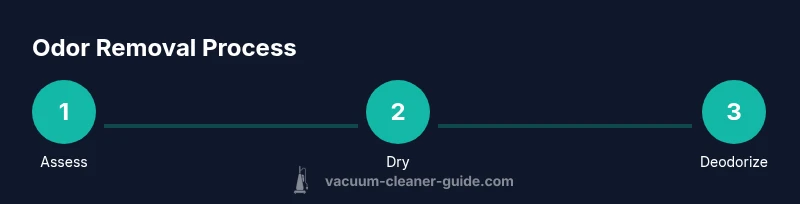
According to Vacuum Cleaner Guide, the quickest path to relief is to identify the source, dry the carpet thoroughly, and apply safe odor-neutralizing steps. Start with ventilation, blot moisture, and use baking soda or enzyme cleaners to neutralize residues. If odors linger, extend drying time, test for hidden moisture, and consider professional assessment.
Understanding why carpet smells after cleaning
Carpet odors after cleaning can be caused by moisture trapped in fibers, residual cleaning agents, or contaminants under the surface. When cleaning is incomplete or airflow is limited, damp conditions create a breeding ground for odor-causing molecules. The question of what to do if carpet smells after cleaning is answered by prioritizing drying and deodorizing. According to Vacuum Cleaner Guide analysis, quick drying and thorough air circulation significantly reduce odor risk. Start by opening windows, using fans, and turning on a dehumidifier if available. If the carpet remains damp after several hours, extend drying time and re-check for hidden pockets of moisture in corners, under furniture, and along seams. In some cases, odors originate from the carpet backing, padding, or subfloor—addressing these layers may be necessary. Remember: odors often become more noticeable as the carpet dries, so act promptly and methodically to prevent setting in.
Immediate steps you can take right now
Ventilate the space by opening doors and windows to create cross-ventilation; run fans and a dehumidifier to move air and remove moisture. Blot the carpet with clean towels to lift surface dampness, then use a wet-dry vac or extractor to pull out remaining moisture from the fibers and pad. Check for damp pockets under furniture and along edges where moisture hides; treat those zones with targeted airflow and avoid walking on them until completely dry. Introduce a deodorizer by lightly sprinkling baking soda over the surface and letting it sit for 15–60 minutes before vacuuming—this helps absorb lingering odors and any residual moisture. Finally, vacuum thoroughly to remove baking soda and loosened residues, using a sealed-filter vacuum for better containment of particulates.
Safe cleaners and deodorizing methods
For most general odors, baking soda is a safe, effective absorber. Enzymatic cleaners excel at breaking down organic odors from pets or spills, but follow product directions for dwell time and thorough drying after use. White vinegar, diluted, can neutralize some odors but test on a hidden area first to prevent color changes, especially on sensitive fibers. Avoid over-wetting the carpet during any cleaner application; excessive moisture can worsen odors and promote mold growth. Always test colorfastness on a small area before wide application to protect carpet color and texture. These methods work best when used in combination with proper drying and airflow.
When to use baking soda, vinegar, and enzymatic cleaners
Baking soda serves as a first-line deodorizer for general odors and moisture control. White vinegar can help neutralize many smells but may affect delicate fibers; never apply full-strength vinegar on wool, silk, or other sensitive fibers. Enzymatic cleaners are ideal for organic odors (pets, spills) but require adequate dwell time and thorough drying; do not rinse too quickly, or you may remove the beneficial enzymes. For stubborn smells, build a multi-step plan: dry thoroughly, apply enzyme cleaners where appropriate, allow dwell time, then re-dry and re-test. Layer odors by using these cleaners in stages to maximize effectiveness.
Drying and airflow strategies for quick odor relief
Improve air movement by placing fans both side-to-side and across the carpet surface to push air through the fibers. A dehumidifier in the room accelerates drying by removing moisture from the air, which helps reduce musty odors faster. Keep room temperature at a comfortable level to speed evaporation without stressing fibers. Re-check moisture levels after a few hours and resume drying as needed; persistent dampness is a primary driver of lingering smells, so keep at it until the surface feels dry to the touch.
Special cases: musty smells, mold, or pad issues
If odors persist after cleaning and drying, mold growth behind the carpet or underlay may be present; this requires professional evaluation. The carpet pad can trap odors and should be inspected or replaced if it remains odorous after surface treatment. If moisture intrusion is suspected from the subfloor, stop using the space until the area is thoroughly dried with professional-grade equipment. Seek a professional remediation if musty odors persist beyond 24–48 hours of sustained drying.
How to prevent future carpet odors
Prompt drying after any wet cleaning is essential—never leave carpets damp for extended periods. Use odor-control products appropriate for your fiber type and regularly maintain your carpet with proper cleaning techniques. Improve ventilation during and after cleaning to avoid moisture buildup, and schedule routine cleanings with adequate drying times. Consistent maintenance reduces the likelihood of musty or sour odors transitioning into permanent smells.
Quick-reference odor-removal checklist
- Identify moisture sources and ensure thorough drying of all carpeted areas.
- Choose deodorizing agents appropriate for your carpet fiber (baking soda, enzymatic cleaners).
- Avoid over-wetting; apply cleaners conservatively and ensure complete drying afterward.
- Re-test odor after each step and adjust as needed.
- If odors persist despite best efforts, seek professional help to prevent mold growth and odor recurrence.
Tools & Materials
- Baking soda(Non-scented is best; keep in a shaker for even distribution)
- Enzymatic cleaner(Use for organic odors (pets, spills); follow label instructions)
- White vinegar(Dilute 1:1 with water; test on hidden area first)
- Water source and towels(For blotting and moisture removal)
- Wet-dry vacuum or extractor(Helpful for extracting embedded moisture)
- Fans and dehumidifier(To create cross-ventilation and speed drying)
- Moisture meter (optional)(Helps quantify dryness in dense areas)
Steps
Estimated time: 2-6 hours total, depending on room size and humidity
- 1
Assess odor source and safety
Identify whether the odor is general, musty, or chemical, and ensure area is safe to work in. If mold is suspected, stop and seek professional help.
Tip: Document any visible mold or staining before remediation. - 2
Ventilate and begin drying
Open doors/windows to create cross-ventilation. Set up fans to move air across the carpet surface and, if possible, run a dehumidifier in the room.
Tip: Aim for continuous airflow for at least several hours. - 3
Blot and remove surface moisture
Use clean towels or a wet-dry vac to lift as much moisture as possible from the carpet fibers and padding.
Tip: Do not scrub aggressively; moisture removal is more effective when absorbed. - 4
Apply deodorizing treatment
Lightly sprinkle baking soda over the dry surface and let sit. If odors are strong or organic, apply enzymatic cleaner to affected areas following label directions.
Tip: Avoid over-wetting; apply only as needed. - 5
Rinse and re-dry (if needed)
If you used a liquid cleaner, lightly mist with water and blot to remove residue, then re-dry the area thoroughly.
Tip: Residue can attract dirt and worsen odors if left behind. - 6
Vacuum and re-test odors
Vacuum up baking soda and residues, then re-check the odor level. If odors persist, repeat deodorizing and drying steps as needed.
Tip: Run a sealed-filter vacuum for best results.
FAQ
Why does carpet smell after cleaning even when it seems dry?
Odors often originate from moisture trapped in fibers, residues left by cleaners, or odors from the carpet pad or subfloor. Even when the surface feels dry, hidden moisture can produce musty smells. Proper drying and targeted deodorizing typically resolve this.
Odors after cleaning usually come from hidden moisture or residues. Focus on thorough drying and orient your deodorizing steps toward the source.
Can I use baking soda alone to fix all odors?
Baking soda is a helpful general deodorizer, but persistent or organic odors may require enzymatic cleaners or professional help. Baking soda works best as part of a broader drying and cleaning plan.
Baking soda helps absorb odors, but persistent smells may need enzyme cleaners or extra drying time.
Is it safe to use vinegar on carpet?
Diluted white vinegar can neutralize odors but may affect colorfastness on delicate fibers. Always test on a hidden area first and avoid using full-strength vinegar on wool, silk, or similar fibers.
Diluted vinegar can help odors, but test first and avoid certain delicate fibers.
When should I call a professional?
If a musty or persistent odor persists after thorough drying, or you suspect mold growth behind the carpet or underlay, seek professional assessment promptly to prevent health risks and structural damage.
Call a pro if odors stay after drying or you suspect mold.
Can odors come from the carpet pad or subfloor?
Yes. Odors can originate from the pad or subfloor; if smells persist after surface treatment, inspect or replace the pad and address any moisture intrusion in the subfloor.
Pad or subfloor odors are possible; inspect and treat underlying moisture if needed.
How long does it typically take to dry a carpet after cleaning?
Drying times vary with room size, carpet type, and humidity. Aim for several hours of active drying and monitor until the surface and backing feel dry to the touch.
Dry times vary; monitor until the carpet feels dry to the touch.
Watch Video
The Essentials
- Dry thoroughly to prevent odor redevelopment
- Use safe, fiber-friendly deodorizers
- Ventilate and control humidity for faster relief
- Test cleaners first to avoid color damage
- Seek professional help for persistent or musty odors