How to Get Rid of Carpet Cleaner Smell: A Practical Guide
Learn proven steps to remove carpet cleaner smell from your home. This practical how-to covers odor sources, quick freshening, deep cleaning, deodorizing agents, and prevention to keep carpets smelling fresh.


In this how-to, you’ll learn to identify and eliminate carpet cleaner odor from carpets and padding. You’ll assess residue, moisture, and fragrance oils, then follow a sequence of immediate freshening, thorough extraction, deodorizing, and drying steps. Tools like a wet/dry vacuum, vinegar, and baking soda are recommended.
Why the carpet cleaner smell lingers
If you're wondering how to get rid of carpet cleaner smell, you're not alone. Odors from carpet cleaning products often linger long after the job is done because residue, moisture, and fragrance oils bond with carpet fibers. When cleaners leave behind suds, residues, or damp patches, the room can smell like chemistry even after quick airing. In pet-friendly homes, smells can be more noticeable because pets react to strong fragrances, and oils can cling to fur and fabrics. The good news is that most odors are removable with a systematic approach: identify the source, remove moisture, neutralize lingering compounds, and dry thoroughly. This section explains the science behind odors and sets up the practical steps you'll see in later sections. You’ll learn to differentiate residue from genuine mildew or mold smells, and you’ll know which tools and cleaners are safe to use around children and animals. By the end, you’ll know what to do first and what to avoid.
Identify the Source of Odor
Odors can originate from several places: residue left on fibers, trapped moisture in the carpet backing, or fragrances and solvents used in the cleaner. Start by inspecting high-traffic areas and spots where you used the product most heavily. If you notice damp patches or a musty scent that doesn’t vanish with air, it’s likely moisture or mildew is involved. For pets, even faint chemical notes can linger in fur or fabrics nearby. The goal is to determine whether the odor is surface-level or embedded within the backing or padding, because that dictates the level of cleaning required and whether you’ll need to treat padding separately.
Immediate Freshening Steps You Can Take Today
Begin with quick, low-risk actions to reduce odor while you plan deeper cleaning. Open windows and run any fans to create cross-ventilation. Vacuum the area thoroughly to remove any loose residue. Blot damp patches with clean towels, then apply a light mist of a vinegar-water solution (1:3 ratio) and blot again. Lightly sprinkle baking soda over the affected area and let it sit for 15–30 minutes before vacuuming. These steps can dramatically reduce the initial scent and prepare the carpet for deeper treatment.
Deep Cleaning to Eliminate Odor from Fibers
For embedded odors, you’ll need a deeper cleaning approach. If you have a carpet extractor, use it with clean water and a mild, neutral cleaner designed for carpets. After extraction, prepare a deodorizing mixture of white vinegar and water and apply sparingly to the fibers, ensuring you don’t oversaturate. Work in small sections, blot excess moisture, and repeat the extraction if necessary. Baking soda can be used between cleanings as a long-acting odor absorber, but avoid leaving a heavy residue that attracts dirt. Allow the carpet to dry partially between treatments to prevent creating a damp environment that could foster mildew.
Using Odor-Absorbing Agents Safely
Odor absorbers such as baking soda, activated charcoal, or commercially available carpet odor neutralizers can help, but they must be used safely. Apply baking soda only after any moisture has been removed and brush lightly into the fibers. When using any chemical deodorizer, follow label directions and test on a small, inconspicuous area first. Avoid products that contain harsh solvents around pets and children, and never mix cleaners with ammonia or bleach. Airflow remains a key ally during this step.
Drying Techniques to Prevent Mildew and Odor
Thorough drying is critical to prevent mold, mildew, and recurring smells. Use fans, dehumidifiers, or open windows to accelerate evaporation. If possible, lift furniture off the carpet to allow air to reach the underside. Check the carpet edges and backing for lingering dampness; if you see moisture, extend drying time and reapply airflow. Do not rush the process by applying heat directly, which can set odors or damage fibers. The goal is to reach a dry, neutral scent zone before normal use resumes.
How to Choose Odor-Reducing Carpet Cleaners
If you plan to clean again, select products labeled low-odor or fragrance-free and pH-balanced for carpets. Look for formulas with enzymes for organic odors or bottles that specify they’re safe for pets and families. Avoid high-scent products that may overwhelm the space or trigger sensitivities. Test any new cleaner on a small area first and allow it to dry completely before evaluating the odor.
Maintenance Tips to Prevent Future Odor
Preventing smells starts with consistent maintenance: vacuum regularly, address spills promptly, and ensure proper ventilation after cleaning. Use area rugs in high-traffic zones to reduce repeated deep cleaning, and consider a dehumidifier in damp climates. Periodically refresh deodorizing products and replace filters in vacuums to maintain suction and hygiene. By building these habits, you’ll minimize future odor problems and extend the life of your carpet.
When Odor Persists: Professional Help and Next Steps
If the smell persists after following these steps, it may indicate deeper issues such as moisture intrusion in the subfloor, mold growth behind the padding, or carpet degradation. In such cases, consult a professional carpet cleaner or a mold remediation expert. They can perform a moisture assessment, re-pad if needed, and determine whether replacement is the best long-term option.
Tools & Materials
- Wet/dry vacuum(For extraction and residue removal)
- White vinegar (5% acidity)(Dilute 1:3 with water for deodorizing)
- Baking soda(Absorbs odors; avoid thick residues)
- Clean towels or microfiber cloths(For blotting and drying)
- Ventilation fans or dehumidifier(Speed up drying and odor removal)
- Spray bottle(For applying vinegar solution)
- Mild, pH-neutral carpet cleaner (optional)(Use only if residue remains after extraction)
- Soft brush or cloth(Targeted deodorizing on spots)
Steps
Estimated time: 2-6 hours including drying time
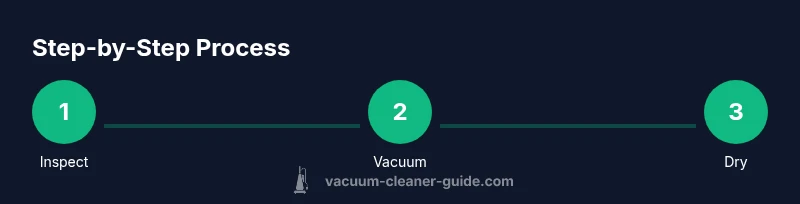
- 1
Inspect area for residue and moisture
Scan the affected area. Look for visible residue, sticky patches, or dampness that suggests incomplete rinse. Note spots where odors are strongest so you can target them in later steps.
Tip: Take a quick photo of the area to track progress. - 2
Vacuum thoroughly to remove loose residue
Run the vacuum in multiple directions to lift embedded debris. Focus on edges and seams where dirt tends to accumulate. A thorough pass helps prevent re-depositing odors during extraction.
Tip: Use slow, overlapping passes; avoid rushing. - 3
Rinse and extract with clean water
If you have a carpet extractor, use clean water and a mild cleaner to flush out residues. For hand cleaning, lightly mist with water and blot—don’t oversaturate. Remove as much moisture as possible after rinsing.
Tip: Avoid soaking the carpet; excess moisture invites mildew. - 4
Deodorize with vinegar solution
Mist a diluted vinegar solution onto the fibers, focusing on odor zones. Blot or extract again to remove moisture while neutralizing odors. Vinegar’s acidity helps balance base odors without harsh additives.
Tip: Always test a small area first to ensure color safety. - 5
Apply baking soda and let sit
Lightly sprinkle baking soda over the area and let it sit for 15–60 minutes to absorb remaining odors. Vacuum thoroughly afterward to remove the powder and any absorbed moisture.
Tip: Don’t leave baking soda on too long if it’s heavy; residue is hard to remove. - 6
Dry thoroughly and ventilate
Turn on fans or a dehumidifier and keep windows open if possible. Check you’ve achieved thorough dryness before returning furniture. Proper drying reduces risk of mildew and future odor.
Tip: Avoid direct heat; air movement is more effective for odor control.
FAQ
Why does carpet cleaner smell linger after cleaning?
Odors linger because of residue, trapped moisture, and fragrance oils that cling to fibers. Proper extraction and thorough drying help break this cycle.
Odors linger due to residue and moisture; thorough extraction and drying fix most cases.
Can I speed up odor removal without renting equipment?
Yes. Improve ventilation, vacuum thoroughly, use a vinegar-water spray, and apply baking soda to absorb odors. Deep extraction accelerates results when available.
You can speed it up with ventilation, vacuuming, and simple deodorizing steps.
Is vinegar safe to use around pets and children?
Diluted white vinegar is generally safe when used properly and allowed to dry completely, but avoid concentrated mixtures and keep pets away during application.
Diluted vinegar is usually safe if you let it dry and keep pets away while it’s wet.
What if the odor persists after treatment?
If odors persist after repeated steps, consider professional cleaning, moisture assessment, or padding replacement as needed.
If it stays, a professional may be needed.
Should I replace carpet padding if it smells?
If padding is damp, moldy, or stubbornly smelly, replacement is often the best long-term solution.
Consider replacing padding if it’s damp or moldy.
How long does it typically take to remove carpet cleaner smell?
Odor removal typically takes several hours for treatment plus drying time. Timelines vary with room size, ventilation, and carpet type.
It usually takes several hours plus drying time.
Watch Video
The Essentials
- Identify odor sources before treatment
- Use extraction and deodorizing agents in sequence
- Dry thoroughly to prevent mold and reoccurrence
- Ventilation is essential for quick, safe results
- If odors persist, seek professional help