How to Get Rid of Bad Smell in Vacuum Cleaners
Learn practical, step-by-step methods to eliminate odors from your vacuum cleaner, prevent future smells, and keep your home fresh. This guide from Vacuum Cleaner Guide covers proven tips, safe cleaners, and routine maintenance for odor-free cleaning.


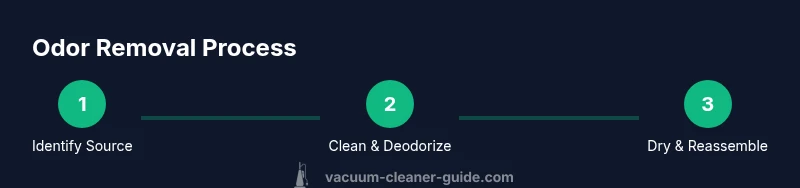
You’ll learn how to get rid of bad smell in vacuum cleaner by identifying odor sources, cleaning removable parts, refreshing filters, and maintaining the canister or bag system. This guide covers practical steps, safe cleaners, and preventive habits to keep your vacuum smelling fresh. Expect a step-by-step routine you can repeat after a pet litter spill or coffee spill.
Understanding Vacuum Odors
According to Vacuum Cleaner Guide, odors in vacuums usually come from trapped moisture, pet dander, coffee spills, and mold growth inside hoses or dust bins. The Vacuum Cleaner Guide team found that most smells originate in the dust cup or filters when air flow is restricted. When an odor persists, it often indicates a combination of buildup, moisture, and lingering organic material. By identifying the odor source and using a controlled cleaning routine, you can restore freshness without harsh chemicals. In this guide, we’ll cover practical steps you can take to learn how to get rid of bad smell in vacuum cleaner and prevent future odors from returning. The goal is to empower homeowners and pet owners with a repeatable plan that minimizes disruption to daily life while maximizing odor control.
Common Odor Sources Inside Your Vacuum
- Full or damp dust cup (bin) that holds moisture and organic debris.
- Clogged or dirty filters that trap odors and restrict airflow.
- Hair and pet dander wrapped around the beater bar or inside hoses.
- Spills that weren't fully flushed from the interior components.
- Residue from cleaning products used nearby that off-gas when heated.
To tackle each source, you’ll need a mix of cleaning, deodorizing, and drying steps. Vacuum Cleaner Guide analysis shows that the best results come from a structured approach: remove all removable parts, rinse or replace filters, dry completely, and deodorize with a safe agent. This reduces odor carryover into future cleanings. By following these steps, you’ll reduce the chances of a stale smell returning with the next cleaning cycle.
Quick Pre-Clean Checks
Before you dive into washing parts, unplug the unit and move to a clear workspace. Inspect the dust cup, filter(s), hoses, and beater bar for visible debris. If your model uses bags, check for full or torn bags. Do not operate a unit with damaged cords or wet components. This pre-check ensures safety and helps you identify the best deodorizing path.
Additionally, confirm adequate ventilation in your workspace and gather your cleaning supplies. Having everything ready will reduce disruptions and help you complete the deodorizing routine efficiently.
Step-by-Step Deodorizing and Cleaning
- Remove and empty the dust cup and any bags; wipe with a damp cloth.
- Rinse detachable parts with warm water and mild soap; air dry completely (at least 30 minutes).
- Clean or replace filters according to the manufacturer’s instructions; never put a wet filter back in.
- Deodorize: sprinkle baking soda into the dust cup or use a small amount of enzyme cleaner on interior surfaces; let sit 15-20 minutes; vacuum again to remove residues.
- Wipe the inside of the nozzle and hose with a damp cloth; allow to dry completely.
- Reassemble and run a test cycle on a dry surface to confirm odor is gone.
Time estimate: 30-60 minutes, plus drying time. Pro tip: spread parts out on a towel to speed drying and avoid trapping moisture in crevices.
Maintenance to Prevent Odors
Set a routine: after every major cleaning, check and clean the dust cup, rinse or replace filters every 3-6 months depending on usage, and store the vacuum in a dry place. Using dry baking soda as a preventative inside the dust cup can help keep the chamber fresh between cleanings. For households with pets, consider dedicated pet-hair attachments to minimize hair buildup and odor capture. Vacuum Cleaner Guide analysis shows that consistent maintenance dramatically reduces long-term odors and extends the life of the machine.
Do’s and Don’ts for Pet Owners
Do:
- Empty and dry the dust cup promptly after use, especially after pets shed or accidents occur.
- Use enzyme-based cleaners that target pet odors rather than harsh chemicals that can degrade plastics.
- Allow all parts to dry thoroughly before reassembly to prevent mold growth.
Don’t:
- Don’t spray strong air fresheners or cleaners directly into the vacuum while it’s powered on; this can irritate you and damage components.
- Don’t mix cleaners; stick to manufacturer-approved products to avoid chemical reactions.
- Don’t ignore persistent odors after cleaning; they may indicate a deeper problem such as a cracked hose or a clogged exhaust.
Practical note: regular maintenance reduces odor carryover from one cleaning cycle to the next and helps you maintain a fresh-air environment in your home.
When to Replace Filters and Bags
If your vacuum uses disposable bags, replace them when they’re ¾ full or when you notice a decline in suction and a persistent odor. Filters should be replaced or cleaned as recommended by the manufacturer; damp or clogged filters are a primary source of odor buildup. In high-use households or homes with pets, more frequent changes may be necessary to keep smells at bay. Consistent replacement is a proven way to maintain performance and odor control.
Tools & Materials
- Vacuum cleaner with detachable dust cup or bag(Ensure you can access filters, dust cup, and hoses)
- Soft brush attachment(For gentle scrubbing of interior surfaces)
- Mild dish soap(Use a small amount in warm water)
- Warm water(For rinsing parts)
- Baking soda(Deodorizer; avoid direct contact with some plastics)
- Enzymatic cleaner (optional)(Effective against pet odors)
- White vinegar (optional)(Use sparingly; may affect plastics)
- Microfiber cloths(For wiping and drying)
- Old toothbrush or small brush(For crevices and hoses)
- Dry towel or mat(To catch drips and speed drying)
Steps
Estimated time: 60-90 minutes
- 1
Power down and unplug
Unplug the vacuum and detach attachments. This prevents accidental starts during cleaning and protects you from electrical hazards. If your model has a cord rewind, ensure it is fully extended before handling to avoid strain.
Tip: Always unplug before touching moving parts. - 2
Empty and inspect dust cup/bag
Release the dust cup and bag, if applicable, and empty contents into a trash bin. Inspect for dampness, mold, or tears. If the bag is torn or full, replace it; a clogged bag dramatically reduces airflow and can worsen odors.
Tip: Take the bag to disposal outside to prevent rein festing your living space. - 3
Rinse and dry removable parts
Wash removable parts (dust cup, lid, beater bar housing) with warm soapy water. Rinse thoroughly and shake off excess water. Let all parts air-dry completely on a clean surface before reassembly, at least 30 minutes, longer in humid environments.
Tip: Drying aids odor removal and prevents mold. - 4
Clean or replace filters
Rinse washable filters under cool water if the manufacturer allows. If not washable or if the odor persists, replace with new filters. Do not reinstall a wet filter.
Tip: Check the manufacturer’s guidelines to avoid warranty issues. - 5
Deodorize interior surfaces
Lightly sprinkle baking soda into the dust cup, then wipe interior surfaces with a damp microfiber cloth. For tougher odors, use a small amount of enzymatic cleaner on the interior surfaces, then rinse and dry.
Tip: Avoid soaking metal parts; moisture can promote rust. - 6
Reassemble and test
Reassemble all parts and run a short dry cycle on a non-carpeted surface to ensure everything is dry and reassembled correctly. If you still detect odor, repeat the deodorizing step or check for hidden moisture in hoses.
Tip: If odor returns after a test, inspect hoses for hair clogs or seals that may leak air.
FAQ
Why does my vacuum smell after use?
Smells usually come from trapped moisture, damp filters, pet hair, or spills inside the dust cup or hose. Regular cleaning of these parts helps prevent odors from developing.
Odors often come from moisture and buildup inside the vacuum; cleaning those parts regularly helps prevent smells.
Can I use baking soda in my vacuum?
Yes, baking soda can help neutralize odors when used in small amounts in the dust cup. Do not apply directly to the motor or electronics and ensure it is fully dry before use.
Baking soda can neutralize odors if used sparingly in the dust cup and kept away from electrical parts.
Is vinegar safe for cleaning a vacuum?
White vinegar can work, but it’s acidic and may affect some plastics. If you use it, dilute and test on a small area first, then rinse and dry thoroughly.
Vinegar can work but test first and avoid soaking parts.
How often should I replace filters to prevent odors?
Follow the manufacturer’s guidance, but in high-use homes or with pets, more frequent changes are often needed. Clean and replace filters as recommended to maintain odor control.
Replace filters as recommended; more often with pets and heavy use.
What if the smell persists after cleaning?
If odors persist after cleaning, inspect hoses for cracks or leaks, and check seals. Consider professional service if odors continue despite routine maintenance.
Persistent odor may indicate a leak or seal issue; professional help may be required.
Are there pet-specific odors I should address differently?
Pet odors often require more frequent cleaning and possibly enzyme cleaners designed for pet smells. Focus on pet hair buildup and filter hygiene to reduce recurring odors.
Pet odors need more frequent cleaning and sometimes enzyme cleaners.
Watch Video
The Essentials
- Inspect and clean odor-prone parts first.
- Dry all components before reassembly to prevent mold.
- Use enzyme cleaners for tough pet odors when appropriate.
- Regular maintenance dramatically reduces odor buildup.