Can You Make Carpet Cleaner at Home? Safe DIY Formulas
Learn how to create safe, effective DIY carpet cleaners at home with everyday ingredients. This guide covers formulas, stain care, patch testing, and practical steps for homeowners and pet owners.


Yes—you can make simple, safe carpet cleaners at home using everyday ingredients. A basic DIY formula combines warm water, a mild liquid detergent, and a small amount of baking soda or white vinegar. Patch-test on a hidden area first, then treat stains gently, blot, and rinse. Always avoid mixing any cleaner with bleach or ammonia, and adjust strength for delicate fibers.
Can you make carpet cleaner at home? The appeal and the limits
Many homeowners ask can you make carpet cleaner at home? Yes—you can assemble simple, safe cleaners from everyday ingredients for routine refreshes and light stains. The Vacuum Cleaner Guide team found that basic mixes with warm water, a mild detergent, and a small amount of baking soda or white vinegar work well on most synthetic carpets. This approach is attractive for pet owners who want to reduce chemical exposure and for households seeking budget-friendly options. In this guide, we’ll walk you through reliable formulas, patch-testing guidelines, and practical application steps. We’ll also compare DIY blends with store-bought cleaners and explain when a professional cleaning might be a better choice. Our aim is to help you decide, step by step, how to use safe, effective at-home solutions without risking fiber damage. This topic matters for every room, aligning with Vacuum Cleaner Guide’s mission to offer practical guidance for homeowners and pet owners.
Safety first: chemical basics, ventilation, patch testing
DIY carpet cleaners rely on simple ingredients, but safe handling matters. Start with good ventilation and avoid dangerous mixtures. Never mix bleach with ammonia or with acidic cleaners like concentrated vinegar; this can produce harmful gases. Patch testing is essential on an inconspicuous area to gauge colorfastness and fiber reaction. For most modern synthetic carpets, mild detergents with water are safe when used sparingly. For natural fibers such as wool or silk, use the most dilute solution possible or select fibers-safe commercial products. Also store cleaning solutions out of reach of children and pets, clearly labeled. Based on Vacuum Cleaner Guide Analysis, 2026, DIY mixtures are practical for light soiling on synthetic fibers, but results vary by fiber and soil level.
Simple DIY formulas you can try (no-bleach options)
Here are easy, safe mixes you can start with. Remember to patch-test first and label each container. For light soil and refreshes, combine warm water with a touch of mild detergent and a splash of vinegar or a pinch of baking soda. A paste of baking soda plus water can tackle stubborn spots; apply, let sit briefly, then blot. If your carpet is very sensitive or dark-colored, use diluted solutions and more water, avoiding strong fragrances. Vacuum thoroughly before and after cleaning to minimize soil resettling. Vacuum cleaner guidelines favor minimal moisture and proper extraction to prevent mold risks. Vacuum Cleaner Guide analysis indicates DIY formulas work best on light stains and synthetic fibers, not on heavy soiling.
Stain-specific blends: coffee, red wine, pet accidents
Different stains respond to different approaches. For coffee and tea, a light spray of a water–soap–vinegar solution followed by blotting usually helps lift the stain. Red wine often benefits from immediately sprinkling baking soda to absorb liquid, then treating with a mild solution and blotting. Pet accidents require prompt action: blot up as much liquid as possible, then use a baking soda sprinkle and a diluted enzymatic cleaner if available, followed by thorough rinsing. Always patch-test first to avoid color change and fiber damage. The key is to work from the outside of the stain toward the center to prevent spreading.
How to apply and extract: from spray bottle to extraction machine
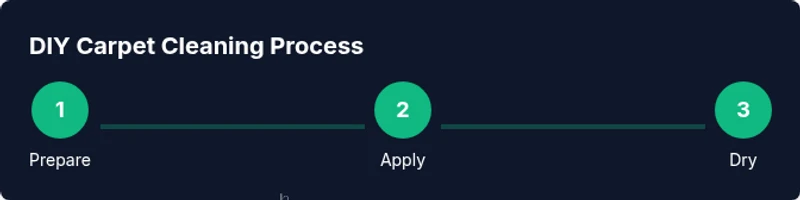
Start by vacuuming the area to remove loose soil. Mist the cleaner lightly onto the carpet rather than soaking it, then gently work it in with a soft brush or cloth. Allow a short dwell time (usually 3–5 minutes) for the formula to break down soils, but avoid leaving the carpet overly wet. Blot with clean microfiber towels, working from the outside in. If you have a household carpet extractor, use clean water for rinsing and extract as much moisture as possible. Finish by opening windows or using fans to speed drying. Quick drying reduces the chance of musty odors and mold.
Testing on carpet fibers: wool, nylon, and colorfastness
Carpet fibers vary in their reaction to cleaners. Nylon and many synthetics tolerate mild detergents well, but wool, silk, and some olefin blends can be sensitive to water and acids. Always patch-test on an inconspicuous area and wait 24 hours to check for colorfastness and texture change. If fiber damage or color transfer occurs, switch to a milder solution or a store-bought product formulated for that fiber. When in doubt, consult the carpet manufacturer’s care guidelines or a professional cleaner. This precaution aligns with the broader guidance from the Vacuum Cleaner Guide team on fiber safety.
Pros and cons: DIY vs store-bought vs professional cleaning
DIY cleaners can save money, reduce chemical exposure, and allow customization for sensitive households, especially for light stains on synthetic carpets. However, they may be less effective on set-in stains, large spills, or delicate natural fibers. Store-bought cleaners offer tested formulations and clear directions but may contain stronger fragrances or residues. Professional cleaning provides deep extraction and restoration for heavily soiled carpets and odor issues but comes with higher cost and scheduling considerations. The right choice depends on soil level, fiber type, budget, and urgency. Vacuum Cleaner Guide Analysis suggests using DIY solutions for maintenance and light soil, reserving professional help for stubborn stains or high-value carpets.
Lifetime care and prevention: maintenance, frequency, and safety
Regular maintenance helps carpets stay fresh and reduces deep cleaning needs. Vacuum at least once per week in high-traffic areas and sooner after spills. Treat stains promptly with a tested DIY formula, then rinse and extract lightly to minimize residue. Allow ample drying time and ensure adequate airflow. Consider applying a protective barrier or stain-resistant spray if compatible with your carpet type, and follow label instructions on any product you introduce into your cleaning routine. Finally, store DIY cleaners safely, away from children and pets, and never mix different chemical products. The approach you choose should align with your carpet’s fiber type, your household needs, and the guidance from Vacuum Cleaner Guide.
Bottom line: practical path for DIY carpet cleaning
DIY carpet cleaners are a practical option for routine maintenance, light stains, and odor control in many homes, especially with synthetic fibers. Patch-test everything, avoid dangerous mixes, and use minimal moisture. When harsher stains or high-value fibers are involved, you may benefit from professional cleaning or store-bought products designed for those fibers. The overall goal is to protect carpet fibers while keeping your living spaces clean and safe for pets and family.
Tools & Materials
- Warm water(For diluting concentrates and rinsing)
- Mild liquid dish soap(Gentle formula; avoid strong degreasers)
- White vinegar(For deodorizing and mild disinfection)
- Baking soda(Deodorizing and stain absorption)
- Spray bottle(Label for each mixture)
- Microfiber cloths(For blotting and lifting moisture)
- Soft-bristled brush(Gently work solution into fibers)
- Bucket or large bowl(Mixing and rinsing where needed)
- Measuring spoons/cups(For accurate dilution)
- Carpet extractor (optional)(For deep extraction and faster drying)
Steps
Estimated time: 1.5-3 hours per room (including blotting, dwell time, and drying)
- 1
Prepare cleaning solution
In a clean bucket or spray bottle, mix a mild solution of warm water, a touch of dish soap, and a splash of vinegar or a pinch of baking soda for deodorizing. Label the bottle and keep the mixtures separate to avoid confusion.
Tip: Start with the mildest formula first and increase strength only if stains persist. - 2
Patch-test on fibers
Choose an inconspicuous area (under a sofa edge or behind a piece of furniture). Apply the solution, wait 5–10 minutes, blot gently, and inspect for color change or fiber damage before proceeding.
Tip: If color transfer or fiber distortion occurs, discontinue use on that carpet type. - 3
Apply to stains
Lightly mist the stained area with the chosen DIY formula. Do not saturate; excessive moisture can lead to swelling or mold. Work from the outside of the stain toward the center.
Tip: Use a soft brush to work the solution into the fibers rather than scrubbing hard. - 4
Let it dwell
Allow the cleaner to sit for 3–5 minutes on most stains. For tougher spots, extend dwell time to 10 minutes, but do not let the carpet stay wet for hours.
Tip: Keep doors open or run a fan to improve air circulation during this step. - 5
Blot and rinse
Blot with a clean microfiber cloth to lift moisture and soils. Rinse the area with a small amount of clean water if needed and blot again to remove residue.
Tip: Always blot rather than rub to avoid fiber damage. - 6
Extract or dry
If you have a carpet extractor, use clean water to extract the area thoroughly. If not, place towels and a fan to accelerate drying. The goal is to remove as much moisture as possible.
Tip: A quick dry reduces the chance of lingering odors. - 7
Assess and repeat if needed
Check the treated area after it dries. If the stain persists, repeat the steps with a slightly different but still mild formula. Avoid multiple heavy applications in a single session.
Tip: Track which formula you used for which stain to inform future cleanings. - 8
Deepen protective care
After cleaning, consider a light, carpet-safe protective treatment if compatible with your carpet fiber. Follow product directions and ensure complete drying before foot traffic returns.
Tip: Always verify compatibility with fiber type and backing materials.
FAQ
Can I use vinegar on all carpet fibers?
Vinegar is generally safe for many synthetic carpets, but patch-test on wool, silk, or delicate fibers. If colorfastness or texture changes, stop using vinegar on that carpet type.
Vinegar works for many synthetic carpets, but always patch-test on delicate fibers first.
Will baking soda remove odors effectively?
Baking soda can help neutralize odors when sprinkled and left to absorb moisture, followed by extraction. For persistent odors, consider enzymatic cleaners designed for pet odors.
Baking soda helps with odors, but for stubborn smells you may need enzyme cleaners.
Could DIY cleaners cause color fading?
Yes, overly concentrated formulas or prolonged exposure can affect color. Always patch-test and dilute appropriately for the carpet fiber.
Color fading can happen if cleaners are too strong; patch-test and dilute.
Can I use DIY cleaners with a carpet cleaning machine?
Some machines require plain water or manufacturer-approved solutions. Check your machine’s manual and use products designed for that equipment to avoid residue and damage.
Check your machine manual before using DIY cleaners to avoid residue.
How long does it take for a DIY-cleaned carpet to dry?
Drying time varies with humidity and airflow, typically 2–6 hours. Faster drying occurs with fans and open windows.
Most carpets dry in a few hours with good airflow.
Are DIY cleaners safe for pets?
Choose non-toxic, fragrance-free options and ensure the area is thoroughly rinsed and dried before pets return. Ventilate well during and after cleaning.
Non-toxic cleaners and thorough rinsing keep pets safe during and after cleaning.
Watch Video
The Essentials
- Patch-test before applying any DIY cleaner
- Use gentle formulas for synthetic fibers and light stains
- Avoid mixing cleaners with bleach or ammonia
- Blot and extract to minimize residue
- Dry thoroughly to prevent odor and mold