How to Carpet Clean at Home: A Step-by-Step Guide
Learn how to carpet clean at home with a safe, fiber-friendly routine—from prep and spot treatment to extraction and drying—great for households with pets and kids.


Why cleaning carpets at home matters
Carpets act like air filters in your home, trapping dust, dander, and spill residues. Regular at-home cleaning keeps fibers healthy, reduces odors, and helps extend carpet life. When dirt sits in the pile, it can become ingrained and harder to remove later, leading to visible stains and a dull appearance. According to Vacuum Cleaner Guide, homeowners who maintain a consistent cleaning routine notice noticeable improvements in air quality and overall home freshness. This guide provides a practical, fiber-safe approach that works for most households, including those with pets, kids, or high-traffic areas. You’ll learn how to prep spaces, choose safe cleaners, treat stains, extract moisture, and finish with smart drying and maintenance habits. Understanding carpet’s fiber type and backing matters because some cleaners are gentler than others. This guide emphasizes safety: test products in a hidden corner, use minimal moisture, and keep children and pets away from cleaning zones until the carpet is fully dry. With the right approach, you can achieve salon-like results at home without risking fiber damage or color bleed.
Tools and Materials You'll Need
Before you begin, gather the following items. The list covers essential gear and a few optional extras that make deep cleaning easier. Having the right tools helps you avoid mistakes that can leave residue or saturate the carpet.
- Vacuum cleaner with rotating brush — required; note: adjust height to match carpet pile
- Carpet cleaning solution or mild detergent designed for textiles — required
- Clean spray bottle for applying pre-treatments — required
- White towels or microfiber cloths (several) — required
- Bucket with warm water — required
- Soft-bristle scrub brush or old toothbrush — required
- Microfiber pad or sponge for even application — optional
- Fans or a dehumidifier for faster drying — optional but recommended
- Protective gloves and a ventilation mask — optional but helpful
- Enzyme cleaner for pet stains — optional but effective
Preparing Your Space and Carpet
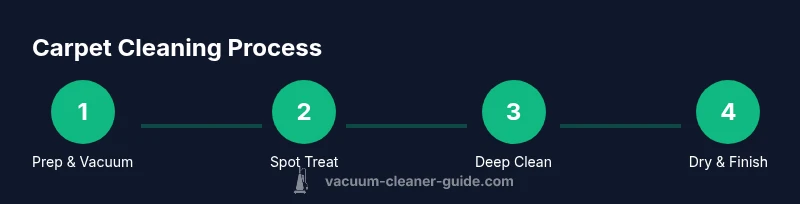
Start by clearing the area: move furniture, remove small items, and place a protective drop cloth at edges to catch spills. Vacuum thoroughly to remove loose dirt and grit, which reduces the chance of pushing soil deeper during washing. Check the carpet’s care label or backing for cleaning recommendations and note the fiber type (nylon, polyester, wool, etc.). If unsure, test a hidden corner with your cleaner first. Set up airflow: open windows if possible and position a couple of floor fans to start moving air. This preparation helps you achieve even cleaning and quicker drying, especially in high-traffic rooms.
Spot Cleaning First: Targeting Stains
Identify stains and select appropriate pre-treatment. For general soils, apply a light detergent solution with a spray bottle and allow 5–10 minutes for the solution to loosen soil. For greasy spots, blot with a dry cloth and use a small amount of solvent-free cleaner. For pet stains, enzyme-based cleaners work best; apply per label and blot from the outside in to prevent spreading. Always blot, never rub, and rinse with clean water afterward to remove residue. Allow treated areas to air-dry briefly before deep cleaning to avoid halos.
Deep Cleaning Methods: Steam Cleaning vs Shampooers
Steam cleaning (hot water extraction) uses hot water and a cleaning solution that is pumped into the carpet and quickly extracted. It’s effective for embedded dirt and suitable for most nylon and polyester carpets. Shampooers or carpet extractors rely on a cleaning solution to lift soil; they can leave more moisture but are useful for stubborn stains. Consider your carpet fiber type and warranty before choosing a method. For households with pets, ensure cleaners are pet-safe and provide adequate ventilation to minimize odors.
Extraction and Rinse Techniques
Follow the machine’s instructions and maintain even passes over each area. Begin from the farthest corner and move toward the exit to avoid stepping on cleaned sections. Use multiple passes to thoroughly remove soap and moisture, and avoid soaking the carpet. If you’re using a rinse step, apply clean water and extract again to minimize residue. After extraction, check for remaining dampness with a light touch and plan extra drying time if needed.
Drying and Post-Care Tips
Drying is critical to prevent mildew. Increase air circulation with fans and a dehumidifier, and open windows if weather allows. Keep pets and kids away until the carpet is dry to the touch and no longer cool. You can speed up drying by placing dry towels on high-traffic areas and walking lightly. Once dry, lightly vacuum to re-fluff the fibers and restore an even nap.
Maintaining Clean Carpet Between Cleanings
To keep carpets cleaner between deep cleanings, vacuum regularly and in multiple directions to lift the nap. Use door mats to reduce outdoor dirt tracking and advise family members to remove shoes at entry. Consider applying a protective barrier after cleaning if recommended for your fiber, and rotate furniture to minimize wear patterns. For high-traffic zones, perform spot checks and address spills promptly to prevent permanent staining.