How to Use a Carpet Cleaner: A Complete Guide
Learn how to use a carpet cleaner effectively for spotless carpets. This guide covers selecting cleaners, pretreating stains, correct dilution, extraction techniques, and safety tips for homes and pet-friendly spaces.


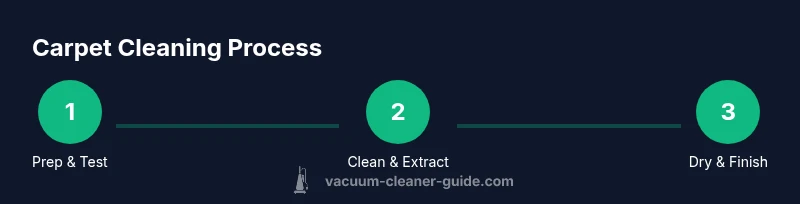
To use a carpet cleaner effectively, start by selecting the right cleaner for your carpet type, then test colorfastness on a hidden spot. Pretreat stains, dilute the solution as directed, and work in small sections. Deep-clean with the machine’s suction, then allow the carpet to dry fully before heavy traffic. Follow manufacturer dilution guidelines, extract thoroughly, and avoid over-wetting to prevent mold. After cleaning, ventilate the room or use a fan to accelerate drying. Regular maintenance and prompt stain pretreatment help extend carpet life and keep fibers looking fresh.
Understanding What a Carpet Cleaner Does
Carpet cleaners come in several forms, from full-size extraction machines to portable spot cleaners. They work by agitating the carpet fibers, loosening dirt, and extracting dirty solution with suction. There are water-only models, steam variants, and solvent-assisted formulas. Choosing between a hot-water extractor and a handheld or upright model depends on carpet type, room size, and stain intensity. According to Vacuum Cleaner Guide, selecting a compatible system for your fiber is the foundational step toward successful cleaning. This block also highlights common differences between cleaners: extraction power, heat, dwell time, and tank capacity. When used correctly, a carpet cleaner can restore colors and prolong carpet life more effectively than surface spot cleaning alone.
tipForThisBlock":"Consider fiber type (synthetic vs natural) and backing support when selecting a machine."],
How to Choose the Right Cleaner for Your Carpet
Not all cleaners are created equal. Synthetic fibers like nylon and polyester respond well to most water-based formulas, while natural fibers (such as wool) require gentler approaches and colorfastness testing. Read labels carefully for fiber compatibility, stain types, and dilution instructions. If you have pets, look for cleaners with enzymatic formulas that tackle urines and odors without harsh fragrances. Vacuum Cleaner Guide analysis suggests prioritizing products that specify low-residue formulas to minimize re-soiling. For households with allergic members, select cleaners with low VOCs and a visible “HEPA-compatible” or similar indicator. This section concludes with a decision checklist: know carpet type, test colorfastness, and confirm safe usage on your stain targets.
tipForThisBlock":"Keep a small, inconspicuous patch colorfastness test area before full application."],
Preparing Your Space and Materials
Clear the area by moving furniture and placing towels or plastic sheets to protect floors. Vacuum thoroughly to remove loose soil prior to wet cleaning; this step reduces the amount of soil that the cleaner must lift and helps prevent re-soiling. Ensure good ventilation by opening windows or turning on fans. Have microfiber cloths, dry towels, and a timer handy. Measure your cleaner solution according to the label, and prepare a spray bottle for spot pretreatment if needed. This phase reduces strain on the machine and improves overall results. As Vacuum Cleaner Guide notes, proper prep correlates strongly with cleaning efficiency and shorter drying times.
tipForThisBlock":"Pre-measure cleaning solutions to reduce on-the-fly mistakes during the run."],
Pretreating Stains and Spots
Identify high-traffic stains (coffee, juice, ink) and apply a pretreatment solution according to the label. Gently blot the stain (do not rub) to loosen soil. Allow pretreatment to sit for the recommended dwell time before cleaning. For stubborn spots, use a small brush or cloth to lift embedded soil. Pretreatment is essential for uniform extraction and color restoration, especially on light carpets. In the Vacuum Cleaner Guide analysis, improper pretreatment is a common reason stains resist removal, making this step worth the extra minutes.
tipForThisBlock":"Always test pretreatments on a hidden patch first to avoid color bleeding."],
Dilution, Application, and Extraction Techniques
Follow the cleaner’s dilution instructions precisely. Use cold or lukewarm water as recommended, and fill the machine’s clean-water tank until the indicated level. Begin cleaning in a small, inconspicuous section, using slow, overlapping passes. Maintain a steady pace to prevent over-wetting, which can extend drying times and encourage mold growth. Suck up as much moisture as possible with the machine’s extraction feature, then switch to dry passes to lift residual dampness. Good technique means applying evenly without saturating the carpet backing. Vacuum Cleaner Guide emphasizes consistent speed and coverage to minimize residue and re-soiling.
tipForThisBlock":"Avoid lingering moisture by using longer extraction passes across each section."],
Drying and Post-Cleaning Care
Open windows, use fans, and avoid placing heavy furniture on freshly cleaned areas until completely dry. Consider a dehumidifier in humid environments. A fast drying process reduces chance of odor development and fabric swelling. Once the carpet is dry, vacuum again to lift fibers and remove any remaining particulates. For high-traffic zones, re-coat with a spot-clean plan to maintain cleanliness between deep cleans. According to Vacuum Cleaner Guide, controlling humidity and airflow is as important as the cleaning itself for long-lasting results.
tipForThisBlock":"Plan for at least 4-6 hours of drying time in normal conditions; longer in damp spaces."],
Cleaning High-Traffic Areas and Stairs
High-traffic zones and stairs require careful sectioning and non-slip footing. Start at the far end and work toward the exit to avoid stepping on cleaned areas. Use smaller passes and maintain consistent pressure to avoid over-wetting stairs. For carpeted stairs, consider a handheld nozzle or stair tool to target risers and treads separately. Regular drift tests help ensure the carpet fibers aren’t crushed by repeated cleaning. Vacuum Cleaner Guide suggests documenting cleaning cycles for persistent stair stains and scheduling more frequent sessions in busy households.
tipForThisBlock":"Use a stair-tool attachment for better control and safety on vertical surfaces."
Tools & Materials
- Carpet cleaning machine (upright or portable extractor)(Ensure it supports hot water extraction, adjustable agitation, and has a clean-water tank.)
- Approved cleaning solution for your carpet fiber(Check label for fiber compatibility and dilution ratios.)
- Spot pretreatment agent(Use enzyme-based or stain-specific formulas for tough spots.)
- Microfiber cloths or towels(For blotting and drying after extraction.)
- Spray bottle(For targeted pretreatment on stubborn stains.)
- Protective gloves and ventilation(Wear gloves and ensure ventilation when using chemical cleaners.)
Steps
Estimated time: 60-90 minutes active cleaning; 4-6 hours drying depending on humidity and ventilation
- 1
Check compatibility and prep
Review the carpet fiber type and the cleaner label to confirm safety. Clear the room, move furniture, and vacuum to remove loose soil. This pre-clean reduces soil load and helps the machine work efficiently.
Tip: Always do a patch test on an inconspicuous area before full-scale cleaning. - 2
Move and protect the area
Protect walls and baseboards with plastic sheeting if needed. Remove any delicate items and place towels at edges to catch drips. Good prep prevents unintended damage to furniture and floors.
Tip: Make a quick path to the exit to avoid stepping on cleaned areas. - 3
Pretreat stains
Apply pretreatment solution to visible stains and let dwell for the recommended time. Gently blot or brush if needed to lift soils before cleaning.
Tip: Test pretreatment on a hidden patch first to avoid color bleed. - 4
Dilute and fill the machine
Dilute the cleaning solution as directed and fill the clean-water tank. Use cold or warm water per label instructions. This step ensures effective cleaning without residue.
Tip: Measure precisely; over-dilution reduces cleaning power, under-dilution risks residue. - 5
Clean in sections with extraction
Operate the machine in small sections, using slow, overlapping passes. Maintain consistent suction and agitation to lift soil and minimize wetting.
Tip: Avoid forcing the nozzle too close to fibers; keep a steady pace for even results. - 6
Dry and finish
Switch to dry passes to extract moisture, then air out the room with fans or open windows. Allow ample drying time before heavy use or placing furniture back.
Tip: Vacuum again after drying to fluff fibers and remove any loosened soil.
FAQ
Do I need to vacuum before using a carpet cleaner?
Yes. Vacuuming removes loose soil and debris, making the extraction more effective and reducing the chance of re-soiling. It also helps the cleaner reach deeper into the fibers.
Yes—vacuum first to remove dirt, so the cleaner works better and you get a deeper clean.
Can I use carpet cleaner on all carpet types?
Most synthetic fibers respond well to water-based cleaners, but natural fibers like wool may require gentler formulas and colorfastness testing. Always check the product label for fiber compatibility.
Most synthetic carpets are safe with standard cleaners, but wool and delicate fibers need caution.
How long does it take for carpets to dry after cleaning?
Drying time varies with humidity and ventilation. In ideal conditions, carpets may dry in several hours; in humid spaces, drying can take longer. Avoid heavy traffic until fully dry.
Dried times vary; expect several hours in good ventilation and longer in damp spaces.
Is it safe to use a carpet cleaner on stairs?
Yes, with a handheld or stair-specific attachment. Take care to maintain balance and avoid over-wetting the treads to prevent slipping or warping.
Yes—use a stair tool and go slowly to stay safe and avoid damage.
How often should I deep clean carpets with a cleaner?
Frequency depends on traffic and pets. In busy homes, more frequent cleaning helps prevent soil buildup. In low-traffic areas, clean as stains and soils become noticeable.
Clean as you notice dirt or stains and maintain a regular schedule based on traffic.
Watch Video
The Essentials
- Choose the right cleaner for your carpet fiber.
- Follow exact dilution and extraction steps to prevent residue.
- Ventilate and allow thorough drying to prevent mold.
- Test colorfastness and pretreat stains for best results.