Can You Carpet Clean with Vinegar? Safe Techniques and Tips
Discover whether vinegar can safely clean carpets, how to test for colorfastness, proper dilution, odor removal strategies, and safer alternatives for tough stains. Practical tips for homeowners and pet owners.


Yes, you can use a vinegar solution to clean certain carpet spots and odors, but it's not a universal cleaner. Use white distilled vinegar diluted with water, always test a hidden area for colorfastness, avoid wool or silk, and do not mix with bleach. For heavy staining, consider professional or enzyme cleaners.
What vinegar can and cannot do on carpets
Vinegar is a common household cleaner that many homeowners turn to for light carpet cleaning tasks. A plain white distilled vinegar solution can help lift light stains, reduce some odors, and be a budget-friendly option for spot cleaning. According to Vacuum Cleaner Guide, vinegar works best on synthetic or low-pile carpets where the fibers are less likely to be damaged by acidic liquids. Before applying vinegar, always perform a patch test in an inconspicuous area to check colorfastness and fiber compatibility. Vinegar should never be used as a universal carpet cleaner; it won't remove heavy soil, deep-set stains, or stubborn pet urine on its own. For persistent issues, combine vinegar with other methods or switch to specialized cleaners. Additionally, avoid using vinegar on delicate fibers such as wool, silk, or untreated natural fibers, as the acid can weaken fibers or cause discoloration over time. Finally, keep pets and children away from treated areas until the carpet dries completely to prevent ingestion or contact with the solution.
When vinegar is a good option
Vinegar shines in certain scenarios where a quick, inexpensive solution is desirable. For synthetic carpets and low-pile textures, a mild vinegar-water mix can help lift minor stains and neutralize light odors without leaving a harsh chemical residue. It’s most effective for fresh spills, coffee or tea stains, and pet odors that aren’t deeply embedded. For best results, use vinegar as a spot cleaner rather than a full-room treatment. Always test on a hidden area first, and avoid saturating the fabric, which can lead to longer drying times and potential mold growth.
Safety and fiber considerations
Not all carpets react the same way to acidic cleaners. Dry and sensitive fibers such as wool, silk, or untreated natural fibers can be damaged or discolored by vinegar. If your carpet is old, dyed with vibrant colors, or has questionable colorfastness, proceed with extra caution. In these cases, a small patch test is essential, and you may be better off using a manufacturer-recommended carpet cleaner. Ventilate well during and after cleaning to speed up drying and reduce odor buildup. If you’re cleaning in homes with pets or small children, ensure they stay off the area until it’s fully dry.
How to mix and apply safely
A common approach is to dilute white distilled vinegar with water to create a mild cleaning solution. Mix equal parts in a spray bottle and swirl gently to combine. Apply lightly to the stained area, avoiding oversaturation, and work from the outside of the stain toward the center to prevent spreading. Use a clean microfiber cloth to blot and lift the moisture, rather than rubbing, which can push stain deeper. After treating, rinse with a small amount of clean water and blot again to remove residue. Remember, never mix vinegar with bleach or hydrogen peroxide, as this can release harmful gases.
Colorfastness and fiber considerations
Fiber type determines how forgiving vinegar is as a cleaner. Synthetic fibers (like nylon or polyester) generally tolerate mild vinegar solutions better than natural fibers such as wool or silk. If the carpet is a delicate or antique piece, or if you’re unsure about the fiber content, consider testing on a small, inconspicuous patch first and consulting the carpet manufacturer’s care guidelines. If color bleed or fading occurs, discontinue use immediately and opt for a gentler approach or professional cleaning. For households with color-sensitive dyes, you may prefer enzyme-based cleaners designed for delicate fabrics.
Step-by-step cleaning technique overview
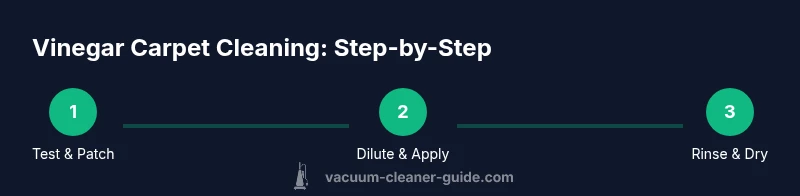
The vinegar method is best understood as a quick, targeted approach rather than a full-room overhaul. Start with a patch test and a small area, then move to light applications on stains or odors. This method is most effective for fresh spills or mild smells, not for deeply set stains or heavy soil buildup. After treatment, ensure thorough drying to prevent mold and musty odors. If odor persists after drying, consider enzyme cleaners that target organic molecules more aggressively.
Odor control vs stain removal: which method
Odors and stains behave differently in carpet fibers. Vinegar can help neutralize mild odors by lowering odor-causing bacteria in small areas, but it won’t remove deeply embedded organic material in most cases. For persistent stains, mechanical extraction or enzymatic cleaners are often more effective. If you’re dealing with pet urine or heavy soiling, plan a multi-step approach that may involve a stain remover followed by a deodorizing agent after the carpet dries.
Drying times and preventing musty smells
Vinegar adds moisture, so drying time is a critical consideration. Open windows or use a fan to improve air circulation and speed up drying. A fully dry carpet reduces the risk of mold growth and musty odors. If you notice dampness returning hours after treatment, re-check the area and consider a light reapplication or moving to an alternative cleaning method. Vacuuming after drying helps restore carpet fibers and remove any lingering residues.
Alternatives for tough stains and pet odors
For stubborn stains or strong pet odors, vinegar alone may not suffice. Enzyme-based cleaners target organic materials at the molecular level and can be more effective for urine or fecal stains. Hydrogen peroxide can be used with caution on colorfast carpets, but never mix with vinegar. Consider a professional cleaning for large areas or persistent problems, particularly on high-pile or delicate carpets. Regular maintenance, such as routine vacuuming and immediate spill response, helps reduce the need for chemical cleaners.
Common mistakes to avoid and safety reminders
Do not apply vinegar directly to wool, silk, or other delicate fibers. Avoid saturating the carpet, which can lead to long drying times and mold growth. Always test colorfastness before treating a visible area, and never combine vinegar with bleach or hydrogen peroxide. Remember that vinegar will not replace a thorough steam cleaning for heavy soil; for large areas or repeated issues, seek professional advice. Keep cleaners out of reach of children and pets until surfaces are completely dry.
Tools & Materials
- White distilled vinegar(Use plain, undiluted vinegar only; flavored varieties may stain.)
- Water (cold or room temperature)(Distilled water preferred; use to dilute vinegar.)
- Spray bottle(Label and mix solution safely.)
- White microfiber cloths(For applying solution and blotting.)
- Old towels or absorbent cloths(Protect floors and catch drips.)
- Color-safe carpet cleaner (optional)(Use if stain persists after vinegar treatment.)
- Test patch in an inconspicuous area(Check for colorfastness before full use.)
- Ventilation (fan or open window)(Promotes faster drying and odor dissipation.)
Steps
Estimated time: 60-90 minutes
- 1
Test colorfastness
Mix equal parts white distilled vinegar and water in a spray bottle. Apply a small amount to a hidden patch and wait a few minutes, then blot with a clean cloth to check for color transfer. If no color change occurs, you can proceed to spot cleaning.
Tip: Always start with a patch test to protect your carpet's color and fiber. - 2
Vacuum the area
Remove loose dirt and debris from the stain area. A clean surface helps prevent pushing dirt deeper into the fiber and improves contact between the cleaning solution and the fibers.
Tip: Use a slow, steady pass to lift surface soil before treatment. - 3
Prepare the cleaning solution
Pour equal parts white distilled vinegar and water into a spray bottle and gently mix. This creates a mild solution suitable for spot cleaning without over-wetting the carpet.
Tip: Label the bottle to avoid accidental mixing with other cleaners. - 4
Apply to stained area
Lightly mist the stained zone; avoid soaking. Let the solution dwell for a few minutes to loosen soils, then blot with a microfiber cloth to lift contaminants.
Tip: Work from the outside of the stain toward the center to prevent spreading. - 5
Blot and lift moisture
Blot repeatedly with a clean cloth until the area shows minimal moisture. Refrain from rubbing, which can push stains deeper.
Tip: Use a second dry cloth to absorb extra moisture at the end. - 6
Rinse lightly
Dampen a cloth with clean water and blot the treated area to remove vinegar residue. This helps prevent a strong vinegary odor after drying.
Tip: Do not oversaturate; the goal is just to rinse residue. - 7
Dry thoroughly
Allow the area to air dry completely. Use fans or open windows to speed up drying and reduce the risk of mold growth.
Tip: Place towels or a tray beneath the carpet edge to catch moisture as it dries. - 8
Evaluate and repeat if needed
If odor or stain remains, reapply with caution or switch to an enzyme-based cleaner for stubborn spots. Avoid repeated heavy applications that can saturate the carpet.
Tip: Limit reapplication to small patches at a time.
FAQ
Can vinegar effectively remove carpet odors?
Vinegar can help neutralize mild odors by neutralizing certain odor-causing compounds, but it may not fully eliminate strong pet urine odors. For persistent smells, enzyme-based cleaners or professional treatment are often more effective.
Vinegar can help with mild smells, but strong odors may need enzyme cleaners or a pro.
Is vinegar safe to use on all carpet types?
Vinegar is generally safe on many synthetic carpets but can damage or discolor wool, silk, or delicate fibers. Always test a hidden area first and follow manufacturer care guidelines.
Test a hidden spot first; delicate fibers can react badly to vinegar.
Should I dilute vinegar with water?
Yes, always dilute vinegar with water before applying to carpet fibers. Use a mild solution and avoid saturating the carpet.
Always dilute vinegar and avoid soaking the carpet.
Can I use vinegar with hydrogen peroxide?
Do not mix vinegar with hydrogen peroxide or bleach; combining cleaners can release harmful gases. Use vinegar alone or with water for spot cleaning.
Don’t mix vinegar with peroxide or bleach.
What about odor after cleaning, can I deodorize?
After cleaning and drying, you can deodorize by sprinkling baking soda lightly, then vacuuming after a few hours. This helps absorb residual odors without harsh chemicals.
Let the carpet dry, then use baking soda to help neutralize odors.
Watch Video
The Essentials
- Test colorfastness first and use dilute solutions
- Avoid vinegar on wool or silk fibers
- Rinse and dry thoroughly to prevent residue and mold
- Ventilate well during and after cleaning
- For tough stains or odors, consider enzyme cleaners or professionals