How to Clean Carpet Without Baking Soda: A Practical Guide
Discover effective, baking-soda-free methods to refresh carpets, remove common stains, and maintain fibers using safe cleaners, vinegar solutions, enzyme cleaners, and steam extraction. A definitive guide from Vacuum Cleaner Guide.


You can refresh most carpets without baking soda by using safe cleaners, proper extraction, and targeted stain treatment. The goal is to lift soils, neutralize odors, and avoid residue while preserving fiber. According to Vacuum Cleaner Guide, a vinegar-water rinse or enzyme cleaner paired with gentle agitation often outperforms baking soda for many stains and pile types.
Why many homeowners skip baking soda
Baking soda is a popular DIY cleaner, but it isn’t always the best choice for every carpet. Residue left behind can attract more dirt, requiring extra vacuuming and brushing. Dark or richly colored fibers may show a white film if the baking soda isn’t fully removed, and some backing materials can react with alkaline powders, potentially loosening fibers over time. The Vacuum Cleaner Guide team has found that many households achieve cleaner carpets with no-baking-soda methods that resist residue and odors more effectively. This guide explains practical, proven alternatives that work across common pile types and traffic levels, so you can maintain bright color and fiber integrity without relying on baking soda.
In practice, the choice of method should reflect the carpet’s material, age, and stain type. Always start with the gentlest approach and escalate only as needed. When homeowners switch to no-baking-soda techniques, they often see faster drying times, fewer residues, and improved odor control.
Safer, effective cleaners that work without baking soda
You don’t need baking soda to tackle everyday dirt. A combination of a mild cleaner, a vinegar-based solution, or an enzyme cleaner can address most soils and organic stains. Start with a good vacuum to remove dry soil, then apply a light cleaning solution to the affected area, blot gently, and rinse with clean water. Enzyme cleaners are particularly effective on organic stains like urine, sweat, or food residues, breaking down substances at the molecular level without leaving gritty residues. Steam extraction and hot-water methods can further lift soils from deeper in the pile without baking soda, leaving carpets drier and ready for quick re-use. This approach aligns with the guidance Vacuum Cleaner Guide offers for responsible carpet maintenance that minimizes chemical buildup while preserving fiber integrity.
The vinegar-water method: safe practice
A mild vinegar-water solution is a versatile, no-baking-soda option for many routine cleanups. It helps neutralize odors and loosens soils so they can be lifted with blotting or light agitation. Always test a small, inconspicuous area first to ensure colorfastness, and avoid saturating the backing or padding. Use a spray bottle to apply lightly, then blot with a clean towel to lift grime rather than rubbing it deeper into the fibers. After treatment, allow the area to dry thoroughly with good air circulation. The focus of this approach is gradual soil removal and odor control without introducing residue that could attract new dirt later on.
Enzymatic cleaners for organic stains
Enzyme cleaners break down organic matter at the molecular level, making them especially effective for pet stains, food spills, and perspiration. They’re typically safer for pets and people than harsher solvents when used as directed. Apply the cleaner to the stained area, wait for the recommended contact time, then blot and rinse with clean water. Enzymes work best on fresh or semi-dried soils, so acting promptly yields the strongest results. If odor persists, repeat the process or pair enzyme treatment with a follow-up rinse using water and blotting.
Steam cleaning and hot-water extraction without baking soda
Steam cleaning uses hot water to flush soils from carpet fibers. This method minimizes chemical use while delivering deep cleaning for traffic lanes and high-traffic areas. A well-maintained machine with sufficient suction helps extract most of the moisture, reducing the risk of mold growth and prolonged dampness. Because this approach uses water rather than powders, it avoids residue issues entirely. For best outcomes, perform multiple passes with short dwell times and ensure rapid drying with ventilation or a dehumidifier.
Stain-specific strategies (red wine, coffee, pet urine)
Different stains respond to different techniques. For acidic stains like coffee or red wine, the vinegar-based approach can neutralize acidity and lift pigments when applied promptly. For pet urine, enzymatic cleaners combined with thorough blotting help eliminate both stain and odor. Always work from the outside edge of the stain toward the center to prevent spreading, and avoid overwetting the carpet, which can lead to longer drying times and possible mold formation.
note”:null},
Tools & Materials
- Vacuum cleaner(Prefer models with strong suction and adjustable height for pile height adjustments.)
- White vinegar(Use standard household vinegar (5% acidity) or a milder cleaning vinegar.)
- Mild liquid dish soap(Dilute in water; use sparingly on delicate fibers.)
- Spray bottle(For applying vinegar solution evenly without oversaturation.)
- Enzyme cleaner(Choose a pet-safe enzyme cleaner if addressing organic stains.)
- Microfiber cloths or clean towels(Use light pressure to blot; avoid rubbing.)
- Clean fresh water(For rinsing and blotting to remove cleaner residue.)
- Optional: Fan or dehumidifier(Promotes faster drying and reduces chance of mold.)
Steps
Estimated time: 15-25 minutes
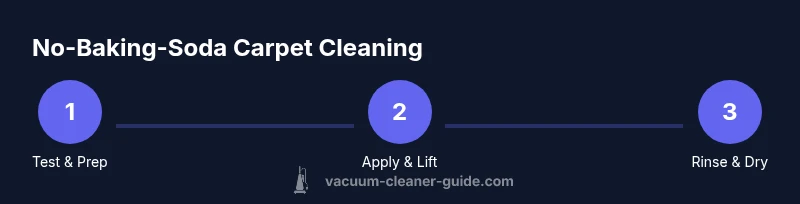
- 1
Test colorfastness in an inconspicuous area
Apply a small amount of your chosen cleaner to a hidden area. Wait a few minutes, then blot with a white cloth to check for color transfer or fabric damage. If there is any color bleed or fiber damage, stop and choose a milder solution or a different method for that carpet. This prevents unintended damage to the finish of the carpet.
Tip: Always start with the gentlest option and patch-test before full application. - 2
Vacuum thoroughly to remove loose soil
Run the vacuum over the entire area, paying special attention to edges and high-traffic spots. Remove as much dry soil as possible before applying any liquid cleaners. This step reduces the amount of liquid needed and improves cleaning efficiency.
Tip: Use the crevice tool along baseboards to pick up fine dirt. - 3
Apply a light cleaning solution
Lightly mist the stained or soiled area with your vinegar-water mix or a mild detergent solution. Avoid soaking the backing or padding. Let the solution sit briefly if needed to loosen grime, but don’t oversaturate the carpet.
Tip: Keep the spray light to prevent pooled moisture and long drying times. - 4
Blot and lift soils
Blot the area from the outside edge toward the center with clean microfiber towels. Do not rub, which can push stains deeper. Repeat with fresh towels until most of the moisture is lifted and the stain appears lighter.
Tip: Work in small sections to prevent re-wetting adjacent areas. - 5
Rinse and dry thoroughly
Rinse the area with clean water and blot again to remove any cleaner residue. If possible, use a fan or dehumidifier to speed up drying. Ensure the carpet is fully dry before use to prevent mold and musty odors.
Tip: Check the backing for damp spots by feeling for cool, damp fabric under the pile.
FAQ
Is baking soda always bad for carpets, or can it help in some cases?
Baking soda can help with deodorizing, but it may leave residue that attracts dirt and require extra cleaning. For many carpets, no-baking-soda methods deliver cleaner results with less residue. Always test first and consider alternative cleaners for stubborn stains.
Baking soda can deodorize, but it often leaves residue. Try no-baking-soda methods first and test a small area.
Can vinegar damage dye or fade colors on carpets?
If diluted and tested first, vinegar is generally safe for many carpets and helps neutralize odors. Always perform a colorfastness test before widespread use on colorful fibers.
Diluted vinegar is usually safe after testing a small area first.
Are enzyme cleaners safe for homes with pets?
Enzyme cleaners are typically pet-friendly when used as directed. They break down organic soils without harsh chemicals, but choose products labeled for pet-safe use and follow the instructions.
Enzyme cleaners can be pet-safe when used as directed.
How long does it take carpet to dry after no-baking-soda cleaning?
Drying time varies with carpet type and room ventilation, but expect a few hours in a well-ventilated space. Use fans or dehumidifiers to speed up drying and prevent mold.
Most carpets dry in a few hours with good airflow.
When should I call a professional?
If stains persist after multiple no-baking-soda attempts or if you have delicate or expensive fibers, consider professional cleaning. Pro services can address deep-set stains and ensure fiber-safe practices.
Call a professional if stains persist or fibers are delicate.
Can steam cleaning be used for all carpet types without baking soda?
Steam cleaning works well for many carpets, but check manufacturer recommendations and fiber type. Some delicate fibers may require gentler methods or professional equipment.
Steam cleaning suits many carpets, but verify fiber safety first.
Watch Video
The Essentials
- Test first to prevent color loss
- Vacuum before any liquid treatment
- Use gentle, no-baking-soda methods for most stains
- Blot, don't rub, to lift soils
- Ensure thorough drying to prevent mold