How to Clean Carpet Without Water: A Practical Guide
Discover safe, effective dry-cleaning methods to refresh carpets without water. This expert guide covers powders, foams, tools, and pet-friendly tips for quick, lasting results.


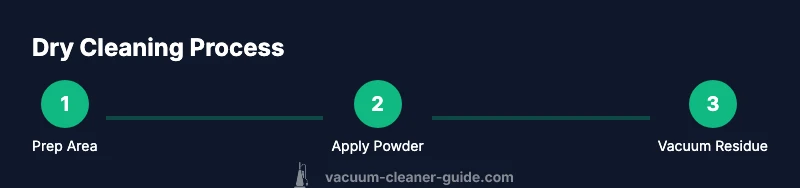
To clean carpet without water, use dry-cleaning methods: vacuum thoroughly, apply a dry cleaner powder or foam, agitate to lift soils, and vacuum again to remove residue. This approach minimizes moisture and downtime, making it ideal for homes with pets, allergies, or delicate fibers. Plan about 30–45 minutes for a typical room.
Why cleaning carpet without water matters
According to Vacuum Cleaner Guide, this guide explains how to clean carpet without water and why it matters for longevity, indoor air quality, and quick turnover. Keeping moisture out of carpets reduces waiting time, lowers mold risk, and minimizes damage to sensitive fibers. Dry-cleaning approaches use powders, foams, or absorbent agents that lift soils and trap them for later removal. In this section, you'll learn about the benefits of dry methods, how to match a method to fiber type, and what to expect in terms of results. The aim is to achieve thorough soil removal with minimal disruption, equipment needs, and risk of fiber damage. We also cover safety considerations for homes with kids and pets and provide a decision framework to help you pick the best dry-cleaning method for your carpet.
Dry cleaning options for carpets
There are several proven dry-cleaning methods that work without water. Dry-cleaning powder or encapsulation powder is sprinkled evenly and worked into fibers with a short brush; soils are embedded and captured, then vacuumed away. Dry foams offer a slightly wetter alternative, yet they dry quickly and lift soils with minimal moisture transfer when used properly. Some products rely on encapsulation agents that crystallize soils for easy removal in the next vacuum pass. Another option is dry solvent-based cleaners, which can tackle greasy stains without soaking the carpet. For households with pets or kids, select formulas labeled as low-VOC and allergy-friendly. Always test a small, inconspicuous area first to ensure colorfastness and fiber compatibility. Vacuum a few extra passes after treatment to remove any loosened soil.
Choosing the right product for your carpet
Carpet fibers vary widely in how they respond to dry-cleaning agents. Nylon and polyester generally tolerate powders and foams well, while wool requires gentler, fiber-specific products to avoid shrinking or color bleed. Consider carpet construction (loop vs cut pile) and pile height, as deeper fibers may retain soils longer and need longer dwell times for powders to work. Look for products with clear usage instructions, fragrance-free options for sensitive households, and compatibility with your carpet color. If stains are oily, solvent-based cleaners can help—but test first. For rookies, start with a simple capsule or powder before moving to a more complex foam, and always follow the product’s dwell time. Finally, factor room layout and furniture placement; you’ll want to complete the process without leaving behind masking lines or uneven texture.
Approach: applying and working in the cleaner without water
Begin by thoroughly vacuuming the area to remove loose soil and lint. Sprinkle the dry-cleaning powder evenly in a light layer, then use a soft carpet brush to work it into the fibers with small, circular motions for 1–2 minutes per square foot. For dense or heavily soiled areas, apply a touch more powder and rework. The aim is to loosen soils while keeping humidity low. Let the product dwell for the recommended time—typically 5–15 minutes—and then vacuum slowly in multiple passes, overlapping each stroke to capture embedded soils. If you’re using a dry foam, apply a thin layer and brush until you see a light film, then allow it to dry completely before vacuuming. Avoid over-wetting or piling fibers, and ensure good ventilation to speed drying.
Deodorizing and odor control without water
Odors can linger even after soil removal. Sprinkle baking soda over the treated area after vacuuming, then brush lightly to distribute evenly. Leave it to sit for 10–20 minutes, then vacuum thoroughly. For persistent pet odors, consider enzyme-based powder cleaners designed for dry use; test first on a hidden corner. Regular vacuuming in the days after treatment helps prevent re-accumulation of soils and odors. If odors recur, repeat the process on high-traffic zones. Always ensure the carpet is completely dry before heavy foot traffic to prevent mildew or crush marks. This approach minimizes moisture while restoring a fresh scent without relying on water.
Safety, ventilation, and pet considerations
Dry-cleaning methods generate powders and aerosols that can irritate eyes and lungs if inhaled in large amounts. Ensure good ventilation during application by opening windows and using a fan. Wear a dust mask if you have allergies or sensitive airways, and keep pets out of the room until the powder is fully vacuumed away. Store powders in sealed containers away from heat or direct sunlight. Read product labels for warnings about colorfastness and fiber compatibility, especially on wool or handmade textiles. After vacuuming, dispose of used powder according to local guidelines. When in doubt, perform a patch test on an inconspicuous spot before wider use.
Brand recommendations and how Vacuum Cleaner Guide helps
The Vacuum Cleaner Guide team recommends a cautious, fiber-aware approach to dry cleaning. Start with a simple, color-safe powder and a low-dwell time to gauge results, then adjust based on fiber type and soil level. Our analysis suggests that dry-cleaning methods deliver quick refresh with minimal moisture, making them ideal for pet-friendly homes and households where water-based cleaning isn’t practical. For sensitive households, seek allergy-friendly products and check for low-VOC formulations. When you’re ready for a deeper refresh, you can layer a gentle foam or powder and vacuum thoroughly. The key is consistent, light passes and complete removal of residues to prevent re-soiling. Vacuum Cleaner Guide’s verdict is to choose a dry-cleaning method first when moisture is a concern, and to verify colorfastness with a test patch.
Authority sources
- https://www.epa.gov
- https://extension.illinois.edu
- https://www.osha.gov
Final quick-start decision framework
If moisture-sensitive conditions exist (e.g., high humidity, water-sensitive fibers, or households with pets), begin with a dry-cleaning powder or foam and a light brushing. If soils are particularly oily or odor-heavy, select a solvent-based or encapsulation-based cleaner and monitor dwell times closely. Always perform a patch test and vacuum thoroughly after treatment to remove residues. For most homes, a well-planned dry-cleaning routine offers fast, effective carpet refresh with minimal downtime.
FAQ and further reading
Tools & Materials
- Dry-cleaning powder or encapsulation powder(Choose fiber-safe, low-VOC formulas; test colorfastness first.)
- Dry foam cleaner(Follow manufacturer instructions for application and dwell time.)
- Vacuum cleaner with strong suction (HEPA preferred)(A high-quality vacuum helps remove residues and achieve even results.)
- Soft-bristle carpet brush(Use for working powder into fibers without abrading the pile.)
- Microfiber cloths(Useful for spot checks and gentle blotting if needed (no water).)
- Baking soda for deodorizing(Use as a separate deodorizing step; avoid over-application.)
- Dust mask or respirator(Recommended for sensitive airways or active households.)
Steps
Estimated time: 30-60 minutes
- 1
Prep area and choose method
Clear furniture and rugs from the cleaning zone. Decide between dry-cleaning powder, dry foam, or encapsulation based on fiber type and soil level. This planning reduces wasted product and ensures even coverage.
Tip: Always test a hidden spot first to verify colorfastness. - 2
Vacuum thoroughly
Begin with a complete vacuum to remove loose soil, pet hair, and dust. A clean base helps powders interact with soils more effectively and reduces clumping.
Tip: Use slow, overlapping passes for thorough soil removal. - 3
Apply dry cleaner powder
Dust the powder evenly across the area in a light layer. Avoid clumps and aim for coverage similar to a light dusting of flour.
Tip: Keep the powder away from heat sources; high heat can affect performance. - 4
Work powder into fibers
Use a soft carpet brush to massage the powder into the pile in small circular motions for 1–2 minutes per square foot. This helps lift soils without adding moisture.
Tip: Use gentle pressure to protect fiber integrity. - 5
Let powder dwell
Allow the product to sit for the recommended dwell time (usually 5–15 minutes). This gives encapsulation agents time to trap soils.
Tip: Maintain adequate ventilation during dwell time. - 6
Vacuum thoroughly and inspect
Vacuum again with slow, overlapping passes. Check for any remaining residue and repeat if necessary on heavily soiled spots.
Tip: Finish with a final light pass to remove fine particulates.
FAQ
Is dry cleaning safe for wool carpets?
Wool carpets require gentle, fiber-specific products and a patch test. Some dry-cleaning powders can be too harsh; always verify product recommendations for wool and test first.
Wool carpets can be cleaned with dry methods, but test a small area and choose wool-safe products.
Can dry cleaning remove all stains without water?
Many soils respond to dry-cleaning products, but some stubborn stains may require additional treatment or a follow-up with minimal moisture. Always test on an inconspicuous spot.
Dry cleaning handles most soils, but some stains may need extra care or moisture-free follow-up.
How long does it take for the carpet to dry after dry cleaning?
Drying times vary with room temperature, humidity, and airflow but are typically faster than wet cleaning. Ensure the area is well-ventilated and avoid heavy foot traffic until dry.
Dry times depend on airflow and humidity; keep the area ventilated until dry.
Are there health risks from carpet cleaning powders?
Powders can irritate eyes and lungs if inhaled in concentration. Use a mask, ensure good ventilation, and keep children and pets away during application.
Powders can irritate; wear a mask and ventilate the room.
Can I use baking soda on all carpet types?
Baking soda is generally safe on many carpets but test first to avoid residue or color issues, especially on darker dyes or delicate fibers.
Test first; baking soda is usually safe but check your carpet type.
Should I vacuum after applying a dry cleaner?
Yes. Vacuum thoroughly after treatment to remove all residues and prevent re-soiling.
Always vacuum after to remove residues.
Watch Video
The Essentials
- Choose a dry-cleaning method suited to fiber type.
- Vacuum thoroughly before and after treatment.
- Test colorfastness on hidden areas first.
- Ventilate well to speed drying and reduce odors.
- Inspect for residues and repeat if needed.