Is It OK to Use Carpet Cleaner on Upholstery? A Practical Guide
Find out if carpet cleaners can be safely used on upholstery, with practical steps, cautions, and tips from Vacuum Cleaner Guide to protect fabrics.


Is it ok to use carpet cleaner on upholstery? In most cases, carpet cleaners meant for fibers can damage delicate upholstery fabrics or leave residues. Always check the care label, test a hidden area, and prefer upholstery-specific cleaners or mild detergents. Use minimal moisture, extract well, and let fabrics dry completely.
Is It OK to Use Carpet Cleaner on Upholstery? Understanding the Question
is it ok to use carpet cleaner on upholstery is a common question for homeowners and pet owners who want to remove spots quickly. The quick answer is that carpet cleaners designed for floors are not universally safe for furniture fabrics. Some carpets use thicker pile and different moisture tolerances than most upholstery, and many cleaners include solvents or surfactants that can affect dyes and fabric finishes. According to Vacuum Cleaner Guide, the safest approach starts with reading the furniture care label and performing a colorfast test in an inconspicuous area. If the label warns against water-based cleaners or if the fabric is a delicate weave like velvet, silk, or suede, switch to dedicated upholstery cleaners or milder detergents. The goal is to minimize moisture and prevent dye transfer, staining, or pilling, while preserving the fabric’s texture and color. This cautious approach aligns with our ongoing analysis of safe cleaning practices for homes with pets and kids, as noted by Vacuum Cleaner Guide.
Upholstery Fabrics vs Carpet Fibers: What Makes cleaning different
Carpets are designed to tolerate higher moisture and heavier traffic, whereas upholstery fabrics often have tighter weaves and lower moisture thresholds. Upholstery finishes may include dyes that bleed when exposed to certain cleaners, and padding beneath the fabric can absorb moisture and harbor odors if over-wetted. When you ask is it ok to use carpet cleaner on upholstery, you must consider fiber type (cotton, polyester, microfiber, wool), weave (plain, satin, damask), and backing materials. Upholstery fibers can be heat set or finished with stain-resistant coatings. If you apply a product intended for carpets, those coatings can react unpredictably, leading to color changes or raised nap. The best practice is to choose cleaners labeled for upholstery or fabrics and use them sparingly, testing first in a hidden spot.
Reading Care Labels: What Manufacturers Recommend
Before any cleaning, locate the furniture’s care label. Look for codes like W (water-based cleaner), S (solvent-based cleaner), WS (either water- or solvent-based cleaner), or X (professional cleaning only). If a label includes W or WS, you can use certain water-based cleaners with caution. If it shows S only or X, do not use carpet cleaners and seek professional cleaning or dry cleaning methods. Always follow the manufacturer’s guidance to avoid voiding warranties or damaging fabric finishes. Vacuum Cleaner Guide notes that many fabrics respond best to cleaners specifically designed for upholstery, which reduces the risk of dye migration and fiber damage.
Carpet Cleaners vs Upholstery Cleaners: Key Differences
Carpet cleaners typically feature stronger cleaning agents, higher moisture delivery, and a larger machine footprint than upholstery cleaners. They may also rely on high-heat drying or strong suction that isn’t suitable for delicate fabrics. Upholstery cleaners are formulated to be gentler, with milder surfactants and careful moisture control. When deciding whether to use carpet cleaner on upholstery, consider the fabric’s tolerance for moisture, the dye stability, and whether the cleaner’s active ingredients are safe for the specific fiber. Vacuum Cleaner Guide emphasizes opting for products labeled for upholstery or fabrics and avoiding heavy-duty carpet formulas on fragile surfaces.
Safe Cleaning Approach: Upholstery-Safe Cleaners and Gentle Techniques
A safe approach starts with choosing upholstery-safe cleaners and performing a spot test. Many upholstery fabrics respond well to water-based cleaners that are specifically designed for fabric care, while wool, silk, or leather may require specialized products or professional care. Use a fine mist rather than soaking the fabric, and always extract as much moisture as possible with a clean towel and absorbent cloths. If you’re wondering is it ok to use carpet cleaner on upholstery in the context of a stubborn stain, remember that gentler, fabric-friendly cleaners often produce better long-term results by preserving texture and color while minimizing the risk of water stains.
Step-by-Step Testing and Cleaning Plan
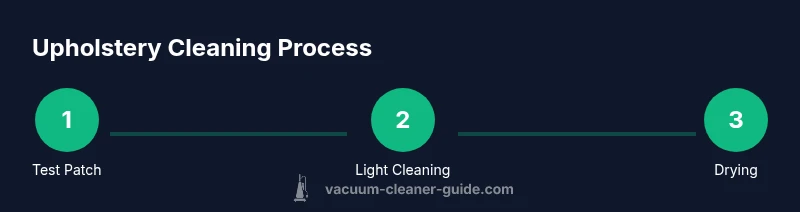
Begin with a colorfast test on a hidden area, applying a small amount of your chosen cleaner. If there is no color transfer after 5–10 minutes, proceed with cautious cleaning on the visible area. Work from the outside of the stain toward the center, applying the cleaner in a light mist and using a microfiber cloth to blot rather than rub. Rinse briefly with a clean cloth dampened with water to remove residue, then blot again to remove excess moisture. Drying should be aided by airflow, not heat, to prevent warping or shrinkage. If in doubt, call a professional cleaner who specializes in upholstery to avoid permanent damage. Vacuum Cleaner Guide also recommends documenting the fabric type and care code to guide future cleanings and product choices.
When to Avoid Carpet Cleaners on Upholstery and Seek Alternatives
If the upholstery is antique, hand-painted, or contains specialty dyes, a carpet cleaner could cause irreversible damage. Leather, nubuck, or suede require conditioners and cleaners designed for those surfaces. For fabrics with a care code of S or X, avoid water-based shampoos altogether. In these cases, dry cleaning or professional upholstery services are the safer path. If staining is persistent, you may opt for a professional with upholstery-specific tools and stain removers. Vacuum Cleaner Guide notes that investing in the right products for fabric care is essential for extending the life of your furniture and maintaining a healthy home environment.
Common Mistakes and How to Prevent Them
Avoid saturating the fabric, skipping the colorfast test, and using a carpet cleaner with strong solvents. Never apply cleaner directly to the padding or seams, where moisture can seep and cause odor or mold. The key is to use minimal moisture, work in small sections, and dry completely before use. Remember to ventilate the room and use fans to speed up drying. These practices help preserve fabric integrity and prevent future staining through repeated cleaning attempts.
Maintenance Tips to Keep Upholstery Clean Between Cleanings
Regular vacuuming with an upholstery attachment reduces the buildup of dirt that can become difficult to remove with cleaners. If spills occur, address them promptly with blotting rather than rubbing. Consider adding a fabric protector where appropriate to reduce staining potential, and rotate cushions to promote even wear. By following upholstery-specific care instructions and avoiding carpet cleaners on delicate fabrics, you can maintain your furniture’s appearance and longevity with fewer deep cleanings.
Tools & Materials
- Upholstery-safe cleaner(Choose enzyme-based or water-based cleaners labeled safe for fabric)
- Mild detergent (optional)(Dilute with water and follow product label)
- Spray bottle(Fine-mist spray for even coverage)
- Microfiber cloths or white cotton towels(Use white fabrics to avoid color transfer)
- Soft-bristled brush(Gentle agitation without abrading fibers)
- Vacuum with upholstery attachment(Pre-clean and remove loose debris)
- Test fabric swatch or hidden patch(Check colorfastness before cleaning)
- Fans or a dehumidifier (optional)(Speeds up drying and prevents mold)
- Gloves (optional)(Protect hands when using cleaners)
Steps
Estimated time: 60-90 minutes
- 1
Prepare area and test colorfastness
Clear the space, remove items, and vacuum the fabric. Perform a colorfast test on a hidden patch by applying cleaner and blotting with a white cloth. Wait 5–10 minutes to observe any color transfer or bleed before proceeding.
Tip: Always test on a hidden area first to avoid visible damage. - 2
Vacuum and pretreat stains
Vacuum the entire surface to remove loose dust and hair. Apply upholstery-safe cleaner to stains and allow it to sit for 5–10 minutes so it penetrates the fibers.
Tip: Pretreat stains rather than saturating the whole area at once. - 3
Apply cleaner to fabric, not padding
Mist the fabric lightly with cleaner, keeping moisture away from seams and padding. Work in small sections to control saturation and prevent wicking.
Tip: Keep moisture low to avoid padding saturation and odors. - 4
Gently agitate with a soft brush
Using a soft-bristled brush, gently work the cleaner in circular motions to lift soil without damaging threads. Avoid aggressive scrubbing that can fuzzy the fabric.
Tip: Agitation should be gentle and consistent, not harsh. - 5
Blot and extract moisture
Blot with clean microfiber towels, lifting moisture rather than rubbing. Rinse the cloth frequently and blot until the fabric starts to feel damp rather than wet.
Tip: Work from the outside of the stain toward the center. - 6
Rinse and remove residue
Dampen a cloth with clean water and gently wipe the treated area to remove cleaner residue. Blot again to remove excess moisture and avoid sticky residues that attract dirt.
Tip: Rinse quickly to prevent redepositing soils. - 7
Dry thoroughly with airflow
Use fans or a dehumidifier to speed drying. Open windows if possible and keep furniture off-use until fully dry to avoid odor and mold growth.
Tip: Ensure complete drying before use to prevent mildew. - 8
Inspect and plan follow-up
Check the fabric after it dries. If stains persist, repeat the appropriate steps with a fresh cleaner call a professional for stubborn cases.
Tip: Document stain types to tailor future cleanings.
FAQ
Can I safely use carpet cleaner on upholstery?
It depends on the fabric and the cleaner. Many carpet formulas are too harsh for upholstery. Always check the care label and use upholstery-safe products first.
It depends on the fabric and the cleaner. Use upholstery-safe products and follow the care label.
How do I test colorfastness on upholstery?
Apply a small amount of cleaner to a hidden patch and blot with a white cloth. If no color transfers after 5–10 minutes, the fabric is likely colorfast for treatment.
Test a hidden patch with cleaner and blot; if no color transfer, you can proceed cautiously.
What if the cleaner leaves a residue on upholstery?
Rinse lightly with clean water and blot until the fabric feels dry. Repeat as needed to remove any soapy film that can attract more dirt.
Rinse lightly and blot to remove any soapy film; repeat if needed.
Is steam cleaning safe for upholstery?
Steam can be safe for some fabrics when used carefully, but excessive moisture can damage padding and cause odor. Always consult the care label and consider upholstery-specific steam cleaners.
Steam can be risky; check care labels and use gentle steam if approved for the fabric.
How long does upholstery take to dry after cleaning?
Drying times vary by fabric and ventilation but typically range from several hours to a full day. Use fans and ensure good air movement to speed up the process.
Drying times vary; anticipate several hours and use fans to speed things up.
When should I call a professional?
If the fabric is valuable, delicate, or heavily stained, or if you are unsure about the cleaner, professional upholstery cleaners are the safer choice.
Call a professional for delicate or valuable fabrics or stubborn stains.
Watch Video
The Essentials
- Test fabrics before cleaning any upholstery.
- Choose upholstery-safe cleaners, not generic carpet formulas.
- Use minimal moisture and ensure complete drying.
- Follow care labels and seek professional help for delicate fabrics.