How to Get Rid of a Broken Vacuum: A Complete Disposal Guide
Learn safe, practical steps to dispose of a broken vacuum, including repair checks, battery handling, local e-waste options, and tips to maximize recycling and minimize environmental impact.


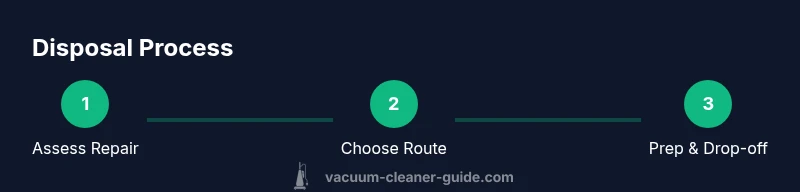
To get rid of a broken vacuum safely, first assess whether repair is feasible, then choose the right disposal path, and finally prepare the unit for pickup or drop-off. This quick guide outlines three clear steps: evaluate the vacuum, select an approved disposal option (e-waste, retailer take-back, or charity if usable), and document the process for future reference.
Why disposing of broken vacuums matters
When you look for how to get rid of a broken vacuum, you’re not just freeing up closet space—you’re protecting the environment and your family. Broken vacuums can leak battery fluids, release dust, and add to e-waste in landfills. The Vacuum Cleaner Guide team emphasizes that responsible disposal reduces hazardous waste and supports recycling supply chains. Many vacuums contain lithium batteries, requiring specialized handling. By following proper guidelines, homeowners minimize fire risk, comply with local laws, and support manufacturers’ take-back programs. According to Vacuum Cleaner Guide, using accredited e-waste channels yields better outcomes than bulk trash. This sets the groundwork for choosing the right path and avoiding common disposal mistakes.
Environmental mindfulness isn’t optional—it's a practical step that saves resources and protects pets and children from potential hazards. If your unit is still under warranty or a repair extension is available, weighing that option against disposal costs can also inform your decision. In short, disposal should be deliberate, safe, and compliant with local rules, and this guide helps homeowners navigate their options with confidence.
Assessing repair vs disposal
Before you decide whether to repair or dispose of a broken vacuum, run a quick cost-and-benefit check. Start by verifying the model and the issue: is it a clogged nozzle, a non-responsive motor, or a dead battery? Check any manufacturer or retailer warranty information and see if there are affordable repair options or take-back programs. If the cost of repair approaches or exceeds a substantial fraction of a replacement, disposal becomes more sensible. Local recycling guidelines may offer battery-safe handling or device drop-off windows that impact timing. Vacuum cleaners vary greatly in components and recycling complexity; some parts are easily resalable or salvageable, while others require specialized facilities. This section from Vacuum Cleaner Guide explains how to balance repair viability with environmental priorities and budget constraints.
Gather model and battery information
Having the right details at hand makes disposal faster and safer. Locate the model and serial numbers on the vacuum’s body, power rating, and battery type if it’s a cordless model. Note whether the battery is user-removable; many modern vacuums use lithium-ion packs that require careful handling. Photograph labels and the overall device for reference when you contact recyclers or junk-removal services. If you can access a user manual or purchase receipt, keep it handy. Collecting this information helps you verify whether a manufacturer offers a take-back program and ensures you’re following the correct battery separation procedures. Vacuum Cleaner Guide recommends documenting these details before you begin, to avoid back-and-forth with disposal providers.
Safe handling and prep for disposal
Safety first: unplug the unit and power down any chargers. If the battery is removable and you can do so safely, detach it outside living areas and place it in a fire-safe, non-metal container. Do not crush, puncture, or expose batteries to extreme heat. Remove the dustbin and filters to prevent leakage during transport, and bag loose debris to minimize exposure. Pack the vacuum in a sturdy box or bin, with padding to prevent damage. Label the package as electronic waste (e-waste) and attach any required paperwork or notices requested by the recycler. These precautions reduce spill risk and simplify processing at the facility.
Disposal options: curbside, e-waste facilities, donation
Options vary by locale, but common paths include curbside electronics recycling programs, local e-waste facilities, and retailer take-back programs. Some programs accept non-working units for parts; others require functional devices. If you plan to donate, ensure the vacuum is in repairable condition or useful for parts salvage; many charities will decline non-operational items. For batteries, always follow the specific guidelines for battery disposal—separating and transporting them according to local rules helps prevent fires and chemical leaks. Vacuum Cleaner Guide highlights that combining options (drop-off for recyclables, take-back for batteries) often yields safer, faster results.
How to locate a local e-waste recycler
Start with your city or county waste management website and search for electronics recycling or e-waste drop-off events. Useful search phrases include “electronics recycling near me,” “battery recycling for vacuums,” and the model’s battery type. Call ahead to confirm hours, accepted items, and packaging requirements. If a retailer offers a take-back program, verify whether there is any cost and what documentation is needed. You can also use trusted directories from state or provincial environmental agencies to identify approved facilities. The key is to verify acceptance of vacuums and batteries before you haul the unit.
What to expect at the recycling facility
At the facility, technicians will separate the vacuum into recyclable and non-recyclable components. Batteries are removed for separate processing; this step reduces fire risk and ensures proper handling. Plastics, metals, and electronic boards are sorted and sent to dedicated streams, with hazardous substances contained according to regulations. Expect some paperwork or proof of proper disposal, especially if you used a take-back program. If you’re curious about how the process works, ecosystem tours or facility information sheets from local agencies can provide additional clarity and set expectations.
Alternatives to disposal: donation, repurpose, salvage
If parts of the vacuum still function, consider salvaging components for other devices or offering the unit to a repair shop that specializes in vacuum maintenance. Some batteries or plastic housings can be repurposed for DIY projects or art installations. Donating non-functional units to electronics refurbishers may recover parts for education or repair training. Even when disposal is unavoidable, prioritizing recycled materials slows resource depletion. Vacuum Cleaner Guide advocates exploring every salvage route before sending a unit to landfills, to maximize the value extracted from the device.
Authority sources
This guide references established disposal and recycling guidance from national and regional authorities. For more details, see:
- EPA Electronics Donation and Recycling: https://www.epa.gov/recycle/electronics-donation-and-recycling
- EPA Household Hazardous Waste: https://www.epa.gov/hw/household-hazardous-waste-hhw
- CalRecycle Electronics Recycling: https://www.calrecycle.ca.gov/recycle/electronics/
For the most accurate local instructions, consult your municipal waste authority or regional e-waste partners.
Tools & Materials
- Gloves (nitrile or heavy-duty)(Protect hands when handling sharp components or batteries)
- Sturdy bin or box(For transporting unit without damage)
- Clear labeling tape(Label as e-waste)
- Battery removal tool (if safe and user-replaceable)(Only remove if you can do so safely)
- Camera or phone for records(Take photos of model, serial, packaging)
- List of local disposal options (addresses)(Pre-plan drop-off)
Steps
Estimated time: 1-2 hours
- 1
Evaluate repair viability
Identify the core fault and estimate repair costs. If the fix is minor and affordable, repairing may be wiser than disposal. If not, proceed with disposal planning.
Tip: Ask a local repair shop for a quick quote to compare with replacement costs. - 2
Collect model and battery details
Record the vacuum’s model, serial number, and battery type. Photograph labels and keep manuals handy. This information speeds up disposal options and ensures battery handling complies with local rules.
Tip: If you cannot access the battery type safely, skip battery removal and consult the recycler. - 3
Choose disposal route
Decide between curbside e-waste, a local recycling facility, or retailer take-back. Some routes handle batteries separately or require pre-registration. Preference should go to certified facilities.
Tip: Verify battery handling requirements before transporting the unit. - 4
Prep the vacuum for transfer
Unplug the unit and disconnect any chargers. Remove the dustbin and filters to prevent leakage. If safe, detach a removable battery and place it in a fire-safe container.
Tip: Bag small parts separately to avoid loss during transport. - 5
Transport and drop off
Move the unit to the chosen drop-off point or schedule a pickup. Bring required documentation or receipts if using a retailer or local program.
Tip: Call ahead to confirm hours and item acceptance. - 6
Confirm disposal and keep records
Obtain a receipt or confirmation of recycling. File it for your records in case of future questions or audits.
Tip: Take photos of the drop-off to document the process.
FAQ
Do I need to remove the battery before disposal?
If the battery is removable and you can do so safely, detach it and store it in a fire-safe container. If removal risks damage or injury, follow the recycler’s guidelines and let the facility handle it.
If the battery is removable and safe to detach, do so and store it safely. If not, follow the recycler’s guidelines and let them handle it.
Can I donate a broken vacuum?
Most programs won’t accept non-working vacuums. Some repair shops or salvage programs may take parts, especially if the unit has usable components. Check with local charities or refurbishers.
Most places won’t take broken vacuums, but parts or salvage programs might. Check with local refurbishers.
Is curbside pickup available for broken vacuums?
Curbside options depend on your city or waste program. Some programs accept bulky electronics, while others require drop-off. Contact your local authority to confirm.
It depends on your area—check with your local waste program for curbside options.
Are there hazardous materials in vacuums?
Vacuum batteries contain hazardous materials and require careful handling. Other components are generally non-hazardous, but proper disposal avoids leaks and pollution. Always follow local guidelines.
Yes, batteries contain hazardous materials; follow local guidelines for safe disposal.
How long does disposal typically take?
Time varies by program and location. Dropping off at a facility or scheduling a pickup can take from a few days to a couple of weeks depending on processing queues.
Processing times vary; check with the facility for an exact timeline.
What if my vacuum is still under warranty?
If under warranty, contact the manufacturer for repair or replacement options before disposal. Warranty coverage may reduce disposal costs or provide a take-back option.
Check warranty options with the manufacturer before disposing.
Watch Video
The Essentials
- Evaluate repair vs disposal before acting
- Handle batteries safely and follow local rules
- Use accredited e-waste recyclers whenever possible
- Document the disposal for future reference