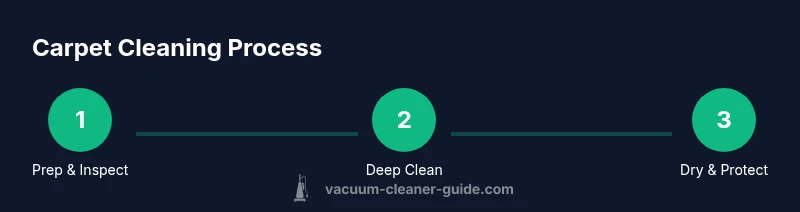
Best Way to Carpet Cleaning: The Ultimate Guide
Discover the best way to carpet cleaning with a practical, step-by-step approach. From prep to maintenance, this guide helps homeowners and pet owners achieve clean, fresh carpets.


Master the best way to carpet cleaning with a clear, methodical plan. This quick answer outlines the goal, essential supplies, and core methods you’ll use to lift dirt, remove stains, and refresh high-traffic areas—without damaging fibers. Ready to dive into a proven, step-by-step approach backed by expert guidance and practical tips for real homes.
Why the best way to carpet cleaning matters
Carpets trap dirt, allergens, and pet dander, and improper cleaning can set stains or damage fibers. Getting the best results requires a plan that matches carpet type, soil level, and household needs. According to Vacuum Cleaner Guide, the most effective cleaning combines thorough pre-vacuuming, selecting the right method for your carpet, and ensuring complete drying. This approach reduces resoiling, prolongs carpet life, and maintains indoor air quality for families and pets. A consistent routine—every 6-12 months for routine traffic, plus spot treatment as needed—delivers the best long-term results. A good carpet care plan also considers foot traffic patterns, spill frequency, and the presence of pets. With the right tools and techniques, you can lift embedded stains and refresh color without over-wetting, which reduces cleanup time later.
- Pre-vacuuming removes dry soil that dulls color and clogs machines.
- The right method (hot water extraction, dry cleaning, or shampooing) depends on fiber and backing.
- Proper drying prevents mold and mildew.
In practice, a consistent routine creates predictable outcomes and reduces the effort required for occasional deep cleans. A well-executed plan also helps protect furniture, walls, and wood floors from moisture damage during cleaning.
Tools and materials you need
Having the right tools ensures you don't waste time or damage fibers. The essentials include a high-suction vacuum with a beefy brush roll, enzyme or all-fiber stain removers, a carpet cleaning machine or rental, clean white towels, microfiber cloths, a spray bottle, a bucket, a stiff-bristled brush, and protective gloves. Optional items include a fan or dehumidifier to speed drying, a carpet rake to lift pile, and white terry cloths to minimize dye transfer.
Notes:
- Check carpet care label: "W" or "W/S" means accept cleaners and water-based extraction; "X" indicates professional cleaning only.
- Always test cleaners on an inconspicuous area before full-room use.
- Keep pets out of the room during cleaning and drying to avoid contamination and injury.
Tips for choosing tools: invest in a good quality extractor or rental with high suction and hot water capabilities; a rotating brush helps lift embedded soil without fraying delicate fibers.
Choosing the right cleaning method for your carpet type
Carpets vary by fiber (nylon, polyester, olefin, wool) and backing. Each fiber has different responses to moisture, agitation, and heat. The most common methods are hot water extraction (steam cleaning), bonnet or dry-cleaning, and shampooing. Hot water extraction is versatile and effective for most homes, especially with pets and kids; bonnet cleaning is faster but leaves more moisture behind. For wool or delicate fibers, a low-moisture approach with pH-balanced cleaners minimizes fiber stress. Vacuuming before and after treatment reduces residual soil and improves appearance. Vacuum Cleaner Guide recommends choosing a method based on fiber compatibility, soil level, and drying ability.
All methods require careful dilution, proper rinsing to avoid residue, and thorough drying. If you rent a machine, follow the manufacturer’s instructions on fill levels and cleaning cycles. For high-traffic areas or large rooms, a truck-mounted system or professional service may deliver superior extraction and faster drying.
When pets are present, consider cleaners that include enzyme-based formulas to tackle organic stains and odors. Always patch-test new products to avoid color bleed and fabric damage. The choice of method should balance efficacy, safety, and drying time for a convenient, home-friendly experience.
Prepping your space for carpet cleaning
Preparation reduces the risk of re-soiling and damage. Move furniture out of room or to the center; place foil or plastic shields under legs to prevent staining or indentation. Vacuum thoroughly to remove loose soil. If you have pets, gather accessories and manage litter boxes to minimize contamination. Treat stains with a spot remover, following product directions and performing a patch test first. Protect walls with plastic sheeting if you plan to use a strong solution and ensure good ventilation. Finally, set up drying aids—fans, dehumidifiers, or a warm room—to speed the drying process after cleaning.
Creating a clean, uncluttered workspace makes it easier to reach every corner and prevents furniture from obstructing deep-cleaning paths. If you’re cleaning multiple rooms, plan routes to minimize water handling and ensure cords are out of the way to prevent trips. Gathering towels and containers before you start keeps work flowing smoothly.
Maintenance tips to keep carpets fresh
After cleaning, allow carpets to dry completely before walking on them. Consider applying a short drying routine or using fans to accelerate air movement. Regular vacuuming with a head that has a strong suction and rotating brush helps prevent soil buildup. Use area rugs or door mats to reduce tracked-in dirt in high-traffic zones. Schedule routine deep cleans every 6-12 months, or more often in homes with pets or high traffic. Protect your investment by using protective sprays only if recommended by the carpet fiber manufacturer. Finally, address spills immediately to avoid permanent staining.
Consistency is key: a steady routine reduces the need for drastic, labor-intensive cleaning later, and keeps your carpets looking newer longer.
Tools & Materials
- Vacuum cleaner with strong suction and adjustable height(Pre-clean to remove loose soil; use a brush-roll compatible with carpet pile.)
- Carpet stain remover or enzyme cleaner(Test on hidden area first; avoid bleach on colorfast fabrics.)
- Carpet cleaning machine (upright extractor) or rental(Follow manufacturer’s fill guidelines; use the rinse setting if available.)
- Spray bottle(For even application of pretreatments.)
- White towels or microfiber cloths(Blot spills and dry surfaces without dye transfer.)
- Bucket (optional)(For mixing concentrates when not using a sprayer.)
- Stiff-bristled brush(Gently agitate fibers to lift embedded soil.)
- Protective gloves(Protect skin from cleaners.)
- Dehumidifier or fans(Speed up drying to prevent mold.)
Steps
Estimated time: 60-90 minutes
- 1
Prep the room and plan
Clear the space, move furniture, and inspect the carpet for high-traffic areas or stains. A quick pre-vacuum helps remove loose soil so cleaning tools can work more efficiently. Prepare your cleaners and test in a hidden area to ensure colorfastness.
Tip: Lay out protective barriers and test a small area before applying cleaners. - 2
Pre-vacuum and pretreat spots
Vacuum the entire area thoroughly, focusing on edges and corners. Pretreat problem stains with a stain remover or enzyme cleaner, applying with a light spray and letting it sit per product directions.
Tip: Avoid oversaturating stains; a light, even layer works best. - 3
Apply cleaning solution
If using a machine, fill according to the manufacturer’s instructions or apply a pre-spray with a sprayer. Work from the farthest corner toward the door to avoid walking on cleaned sections.
Tip: Keep a consistent mist; avoid puddling near walls or seams. - 4
Agitate and extract
Use the machine’s agitation or a fiber brush to dislodge soil. Then extract with your carpet cleaner, moving slowly in overlapping passes to maximize soil removal.
Tip: Let the machine do the heavy lifting; don’t rush the passes. - 5
Rinse and repeat
If your machine has a rinse cycle, run it to remove residue. Repeat the extraction in high-traffic zones or stubborn spots for best results.
Tip: Rinsing reduces sticky residues that attract new dirt. - 6
Drying and ventilation
Open windows if weather allows, turn on fans, and use a dehumidifier to speed drying. Avoid walking on freshly cleaned areas until completely dry.
Tip: Aim for 24–48 hours dry time depending on humidity and airflow. - 7
Final check and maintenance
Revisit spots, confirm even color and texture, and replace furniture carefully. Schedule a maintenance clean in 6–12 months and address spills promptly to preserve results.
Tip: Keep a stain-removal kit accessible for quick action.
FAQ
What is the best method for cleaning carpet with pets?
For homes with pets, hot water extraction with enzyme-based cleaners is effective for odor and stain control. Ensure thorough rinsing and drying, and avoid over-wetting delicate fibers. Regular pre-vacuuming helps maintain results.
For homes with pets, use hot water extraction with enzyme cleaners and rinse well, then dry completely.
Can I DIY clean my carpet, or should I hire a pro?
DIY is suitable for light soils and routine maintenance. For heavy stains, delicate fibers, or large areas, a professional or rental equipment with proper technique often yields better results and faster drying.
DIY works for light soils, but professionals are best for tough stains and large areas.
How often should I deep clean carpets?
In typical homes, deep cleaning every 6–12 months is common. If you have kids, pets, or high traffic, you may need 4–6 cleans per year in problem areas.
Most homes benefit from a deep clean every 6 to 12 months, more often with pets or heavy traffic.
What are warning signs I should stop cleaning?
Stop if you notice color bleed, furs or fibers coming loose, or excessive moisture that you cannot quickly dry. Reassess approach and consider professional help if needed.
Stop cleaning if color bleeds or drying is not progressing; reassess or seek professional help.
Is it safe to use vinegar or bleach on carpets?
Vinegar can be used as a mild cleaner but always test first. Bleach is unsafe for most colored carpets and can damage fibers. Prefer fiber-safe cleaners approved by manufacturers.
Test any cleaner first; avoid bleach on color carpets and fibers that may be damaged.
Watch Video
The Essentials
- Plan before you start cleaning to reduce rework.
- Choose methods by carpet fiber and soil level.
- Drying is critical to prevent mold and odors.
- Test cleaners before use and patch-test colors.
- Maintain regular cleaning to extend carpet life.