How to Clean Carpet with Confidence in 2026
Learn practical methods to clean carpet with vacuuming, pretreatment, and deep cleaning. This step-by-step guide from Vacuum Cleaner Guide helps homeowners choose the right method and avoid over-wetting.


By the end of this guide you'll learn how to clean carpet with three proven approaches: vacuuming for everyday dirt, spot pretreatment for stains, and deep cleaning with a carpet cleaner or steam machine. We'll help you pick the right method based on fiber type, so you can refresh carpets without over-wetting or damage. Safety and drying tips included.
Understanding Carpet Cleaning Options
Carpets trap dirt in the pile and require thoughtful cleaning. Cleaning them effectively means selecting a method that suits fiber type, stain severity, and lifestyle. For everyday dirt, regular vacuuming is essential; for localized stains, pretreatment matters; for deep cleaning, consider steam cleaning or low-moisture carpet shampoo. This guide covers how to clean carpet with common household methods and professional equipment, so you can refresh your space without damaging fibers. Start by identifying carpet fiber type (nylon, polyester, wool, or blends) and consult manufacturer guidelines to avoid color fading or texture damage. Multistage cleaning improves results: dry soil removal with vacuuming, spot stain removal, and active extraction with a machine. If you own pets or have high traffic, plan for more frequent maintenance and consider a maintenance routine that alternates between light cleanings and periodic deep cleans. The goal is to lift dirt from the surface and within the pile while preserving carpet loft and color. The guidance here aligns with how to clean carpet with careful, fiber-aware steps.
Prep and Safety Essentials
Before you lift a tool, clear the space. Move furniture, lift loose rugs, and protect baseboards with painter's tape or a barrier. Test cleaning products on an inconspicuous area to ensure colorfastness, especially on wool or dark carpets. Ventilate the room by opening windows or turning on fans to reduce moisture buildup. Put on gloves if you're handling chemical cleaners, and keep pets and children away while you work. Finally, organize your supplies within arm's reach so you can work efficiently without rushing. Proper prep reduces the risk of staining and helps you achieve consistent results when you clean carpet with different methods. This prep work is foundational and sets the tone for both DIY and professional approaches.
Vacuuming for Everyday Dirt
Begin with a thorough vacuum to remove dry soil and hair before any deep cleaning. Use a high-quality vacuum with a HEPA filter if possible, and switch to the appropriate attachments for edges, corners, and under furniture. Overlap each pass to avoid missed spots and slow your pace to pick up fine dust embedded in the fibers. For high-traffic areas, vacuum more frequently to prevent dirt from grinding into the pile. Vacuuming first creates a cleaner slate for subsequent pretreatment and deep cleaning, so you can get better results from every method you choose to clean carpet with. Vacuuming also helps extend the life of the carpet by reducing abrasive wear from trapped particles.
Spot Cleaning and Pretreatment
Identify stains and treat them early with a stain remover appropriate for the carpet fiber. Apply the product as directed, then blot with a clean white cloth rather than rubbing, which can push the stain deeper or spread it. Work from the outside toward the center to prevent rings. For red wine, coffee, and pet accidents, use a dedicated enzyme-based cleaner if compatible with your carpet. Allow the solution to dwell for the recommended time, then blot again and rinse with a small amount of clean water. Repeat if necessary. This pretreatment step is crucial to keep stains from reappearing after you clean carpet with steam or shampoo. The goal is to lift stain material before it binds with the fiber.
Deep Cleaning Methods: Steam, Shampoo, and Pro Machines
Deep cleaning removes deeply embedded dirt and refreshes pile structure. Steam cleaning, or hot water extraction, uses hot water and a cleaning solution to emulsify oil and grime, then extracts moisture. Carpet shampoo methods scrub with a cleaning solution and a machine or manual brush, then extract or blot. Dry-cleaning methods use solvents and are best for delicate fibers or low-moisture needs. When choosing a method, match fiber type and stain severity. Always test a small area first and follow machine instructions for dilution, flow rate, and dwell times. For many homes, a mid-range approach combines pretreatment and a thorough extraction that minimizes wet times while delivering deep-cleaned results.
Drying and Post-Clean Care
After cleaning, minimize moisture by extracting as much liquid as possible and circulating air. Open windows, use fans, and if available, a dehumidifier to speed up drying. Avoid walking on freshly cleaned carpet until it is dry to prevent new dirt from sticking to damp fibers. When dry, vacuum again to lift flattened fibers and restore loft. If a damp odor remains, run a fan with a heater at a safe distance or use baking soda lightly dusted and vacuumed after it dries. These steps help preserve color and texture, extending carpet life between professional cleanings.
Maintenance Schedule and When to Call a Pro
Create a simple maintenance schedule based on foot traffic, pets, and stains. A light, regular vacuuming and spot checks reduce the need for frequent deep cleaning. Plan a full deep-clean every 6 to 12 months, or more often in homes with dogs, cats, or kids. If stains persist after pretreatment or you notice persistent odor, color bleed, or heavy soil buildup, consider hiring a professional carpet cleaner who uses fiber-safe methods. A pro can assess fiber compatibility and provide a restorative clean that DIY methods may not achieve.
Tools & Materials
- Vacuum cleaner with HEPA filter(For best results, use attachments for edges and upholstery.)
- Carpet cleaning solution (enzyme-based or detergent)(Choose according to fiber type and stain.)
- Stain remover(Test on hidden area first.)
- Soft-bristle brush(For pretreating tough stains without damaging fibers.)
- White towels or microfiber cloths(Use for blotting and drying.)
- Spray bottle(For applying pretreatments and cleaners.)
- Bucket(Optional if using extraction machine; needed for pre-mixing or rinsing in manual method.)
- Fans or dehumidifier(Speeds up drying when space is small or humid.)
- Masking tape or barrier(To protect baseboards.)
Steps
Estimated time: 60-120 minutes active, plus 4-8 hours drying time
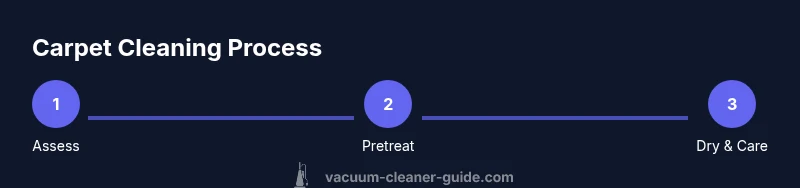
- 1
Assess and prep
Inspect carpet fiber (nylon, polyester, wool) and stain history. Move furniture and clear the area. Gather all tools and cleaners, then patch-test cleaners in an inconspicuous spot.
Tip: Always patch-test cleaners on a hidden spot before full application to avoid color loss. - 2
Vacuum thoroughly
Vacuum the entire room slowly, overlapping passes to remove loose soil. Use attachments for edges and under furniture to prevent missed dirt that can interfere with cleaning.
Tip: Vacuum twice if you have pets or heavy traffic to reduce embedded soil. - 3
Pretreat stains
Apply stain remover to spots; let it dwell as directed. Blot from the outside in, using a clean cloth, then rinse with a small amount of water.
Tip: Blot, don’t rub; rubbing pushes stain deeper and can fray fibers. - 4
Choose and apply cleaning method
Select a cleaning method compatible with your carpet fiber. Fill the machine or prepare solution, and test on a small area before full use.
Tip: Follow manufacturer dilution guidelines to avoid over-wetting. - 5
Deep clean and extract
Run the cleaning device in straight, overlapping passes. Extract as much moisture as possible and avoid soaking the carpet.
Tip: Multiple light passes are better than one heavy pass to minimize saturation. - 6
Drying and final checks
Increase air flow with fans or a dehumidifier. Do not walk on damp carpet and re-check for stains once dry.
Tip: Vacuum again after drying to re-boost pile loft.
FAQ
What is the best method to clean carpet at home?
The best method depends on fiber and stain type. Start with vacuuming, then pretreat stains, and choose either a steam cleaner, carpet shampoo, or DIY extraction.
Start with vacuuming, then pretreat stains, and pick a method based on carpet fiber.
Can I clean carpet without a machine?
Yes. You can scrub and blot by hand using a brush and cleaning solution, but machine cleaning removes more dirt and is quicker.
Yes, you can clean by hand, but machines remove more dirt.
How long does it take carpet to dry after cleaning?
Drying times vary; indoors it typically takes 4-8 hours, longer in humid conditions. Improve airflow to speed this up.
Expect several hours; use fans to speed up drying.
How often should I deep clean carpets?
Most homes benefit from deep cleaning every 6-12 months, depending on foot traffic and pets.
Every 6 to 12 months, more often with pets.
Is steam cleaning safe for all carpet fibers?
Steam can be safe for many fibers but may cause issues on delicate materials. Always test a hidden area first.
Test on hidden area first; steam works for many fibers, but not all.
Should I use hot water or cold water when cleaning?
Use lukewarm or cool water. Hot water can set some stains and potentially damage fibers.
Lukewarm water works best; hot water can set stains.
What should I do if stains reappear after cleaning?
Re-treat with the original stain remover, re-blot, and consider a second extraction. Persistent stains may need a professional.
Re-treat and re-clean; some stains require a pro.
Can I speed up drying without damaging the carpet?
Yes. Increase airflow with fans and a dehumidifier, but avoid strong direct heat that could cause pile distortion.
Use fans and a dehumidifier; avoid strong direct heat.
Watch Video
The Essentials
- Test cleaners on a hidden spot first.
- Vacuum thoroughly before deep cleaning.
- Match cleaning method to carpet fiber.
- Do not over-wet the carpet.
- Speed up drying with good airflow.