How to Clean Vacuum Dyson V11: A Complete Guide
Learn how to clean your Dyson V11 effectively with a step-by-step routine. This guide covers filter care, brush bar maintenance, cyclone cleaning, and airflow checks to restore suction and extend your vacuum’s life.


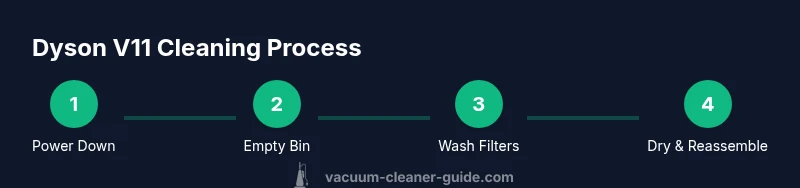
To clean a Dyson V11, start with a full maintenance routine: empty the bin, remove and wash the pre-motor and cyclone filters under cold water, clear debris from the brush bar, and inspect the wand and airflow passages for blockages. Let filters dry completely (about 24 hours) before reassembling. Regular care keeps suction strong and extends the vacuum’s life.
Understanding the Dyson V11 cleaning system and why maintenance matters
The Dyson V11 uses an integrated airflow pathway that moves dust and debris from the floor into the bin, through a cyclonic separation stage, and past washable filters before air exits the vacuum. Over time, hair, dust, and pet dander can cling to the brush bar, clog the cyclone, or saturate the filters, reducing suction. Regular cleaning of the bin, filters, and intake areas helps maintain peak performance and prolongs the device’s life. In this guide, we’ll explore practical steps to keep your V11 running like new, with clear, human-centric advice from Vacuum Cleaner Guide. By staying on top of routine care, homeowners and pet owners can avoid costly repairs and experience consistent cleaning results.
Maintenance cadence matters because the V11 relies on uninterrupted airflow to deliver strong suction in various power modes. When airflow diminishes, you’ll notice less effective cleaning, more frequent clogging in upholstery and tight spaces, and longer cleaning sessions. Small habits—like quick brush-bar checks after each cleaning and a monthly filter rinse—add up to big gains in performance. The following sections cover why each task matters, how to do it safely, and how to tailor the routine to your home and pet situation.
Tools and materials you'll typically need for cleaning the V11
Before you start, gather essentials to make the process smooth and safe:
- A soft brush or microfiber cloth for gentle debris removal
- Clean, cold water for rinsing washable filters (no detergents)
- A drying rack or clean surface to air-dry filters
- A small pair of scissors or a cleaning tool to remove hair from the brush bar
- A flashlight or well-lit area to inspect airflow paths and the cyclone
Step-by-step overview of the core cleaning tasks
This section provides high-level context for the cleaning steps, including the rationale behind each task. You’ll learn where to focus your attention and how to assess airflow, blockages, and filter condition. By understanding how the V11’s cleaning system works, you’ll be better prepared to perform precise maintenance and recognize when a component needs rest or replacement. Regular checks help you catch wear before performance drops, especially in homes with pets or high dust levels.
Common issues and quick fixes you’ll encounter
Many owners notice reduced suction after transforming a strangely loud brush bar or after frequent clogging in the wand or nozzle. Quick checks include inspecting the brush bar for tangled hair, ensuring the cyclone is clear of debris, and verifying that the filters are clean and dry. If you encounter persistent loss of suction, retrace your cleaning steps to confirm none of the stages are clogged and consider repeating the filter rinse and air-dry cycle. A little proactive maintenance goes a long way toward consistent results.
Drying, reassembly, and best maintenance cadence
Air-drying time is a critical part of the process. After washing the filters, place them on a drying rack in a well-ventilated area for about 24 hours. Do not rush reassembly or use hot air to speed drying, as heat can damage the filters. Once dry, reassemble the unit, perform a quick test on the lowest power setting, and observe suction and airflow. Establish a cadence that suits your home: weekly light checks for a few minutes, with a deeper clean of filters every 1–3 months depending on usage and pet exposure.
Authority sources and further reading
For safety and best practices, consult general safety guidelines from reputable sources:
- OSHA: https://www.osha.gov/
- CDC: https://www.cdc.gov/
- Consumer Reports (major publication): https://www.consumerreports.org/
These sources provide overarching guidance on safe handling and routine maintenance that complements device-specific manuals. Vacuum Cleaner Guide synthesizes these principles for practical vacuum care, especially for homes with pets and high-traffic cleaning needs.
Tools & Materials
- Cordless Dyson V11 (tool in use)(Ensure device is powered off and not charging before cleaning)
- Clean, cold water(Rinse filters only; avoid detergents)
- Soft brush or microfiber cloth(Used for brushing cyclone and brush bar)
- Drying rack or clean surface(Air-dry filters thoroughly, typically 24 hours)
- Small scissors or cleaning tool(Helpful for hair removal from brush bar)
Steps
Estimated time: Active cleaning 30-60 minutes; filter drying ~24 hours
- 1
Power down and prep
Turn off the V11 and remove it from the charger. Detach the wand and bin to access the internal components. This initial step prevents accidental activation and ensures your cleaning actions are safe and effective.
Tip: Work in a well-lit area and use a tray to hold small parts so they don’t get misplaced. - 2
Empty the bin and inspect the cyclone
Carefully remove the bin and empty it into a trash receptacle. Check the cyclone for visible debris that may impede airflow. A quick visual inspection helps you locate obvious blockages before they cause performance drops.
Tip: Hold the bin over the trash to avoid spillage, and use a flashlight to spot clogs inside the cyclone. - 3
Wash washable filters
Rinse the washable filters under cold running water until the water runs clear. Do not use detergents or hot water. Gently squeeze out excess water and pat dry. Place on a drying rack in a warm, well-ventilated area.
Tip: Avoid twisting or wringing aggressively; this can damage the filter media and reduce effectiveness. - 4
Clean the brush bar and intake
Remove any hair or threads from the brush bar. Use scissors or a cleaning tool to cut away stubborn tangles. Inspect the intake ducts and wand for obstructions that could reduce suction.
Tip: A hair-free brush bar improves agitation and suction on carpets and upholstery. - 5
Clear hoses and check airflow paths
Gently probe and clear any blockages in hoses or the wand using a flexible rod or similar tool. Ensure there are no kinks that could restrict airflow. Reposition hoses to prevent future entanglement.
Tip: Never force objects through the tubing—careful probing prevents damage. - 6
Dry, reassemble, and test
Allow filters to air-dry for at least 24 hours. Reassemble the unit, reconnect to power, and run a brief test on a low setting to verify suction and airflow. If performance remains inconsistent, repeat washing and drying steps.
Tip: A proper dry is essential; reusing damp filters can promote mold and odors.
FAQ
Can I wash the Dyson V11 filters?
Yes. Wash the washable pre-motor and post-motor filters under cold running water until the water runs clear. Do not use detergents, and allow them to air-dry completely before reassembling.
Yes, you can wash the Dyson V11 filters with cold running water. Make sure they dry fully before reassembling.
How often should I clean the filters?
Clean the filters every 1–3 months with normal use, and more frequently if you have pets or heavy dust. If suction drops, start with the filters as a first check.
Most owners clean filters every few months; more often if you have pets or heavy dust.
What should I do if suction remains weak after cleaning?
If suction is still weak, inspect for clogged wand, hoses, or brush bar, verify the cyclone is clear, and ensure the filters are completely dry. Consider repeating the wash and dry process if needed.
If suction is still weak, check for blockages and drying of filters; you may need to repeat the cleaning.
Can I speed up the drying process?
Avoid heat sources like hairdryers; air-dry filters in a warm, well-ventilated space for about 24 hours. Do not rush drying to prevent mold or odor.
Avoid using heat; air-dry in a warm, ventilated area for about a day.
Is it safe to wash the brush bar?
Yes. Remove hair and debris from the brush bar with a cleaning tool or scissors. Do not soak the motor area, and ensure the bar is dry before testing.
Yes, you can clean the brush bar and ensure it's dry before use.
What if I can't detach a component for cleaning?
Consult the Dyson user manual for model-specific disassembly steps. If you’re uncomfortable, contact Dyson support or a qualified technician.
If you can't detach parts safely, refer to the manual or contact support.
Watch Video
The Essentials
- Establish a regular cleaning cadence for the V11.
- Wash filters with cold water and dry thoroughly before reuse.
- Inspect the brush bar and cyclone for tangles and blockages.
- Test suction after reassembly to confirm proper airflow.