How to Clean Dyson Big Ball Vacuum Cleaner: A Step-by-Step Guide
Learn a thorough, safe method to clean your Dyson Big Ball vacuum. This expert guide covers bins, brushes, cyclone housing, filters, and maintenance to preserve suction and longevity.


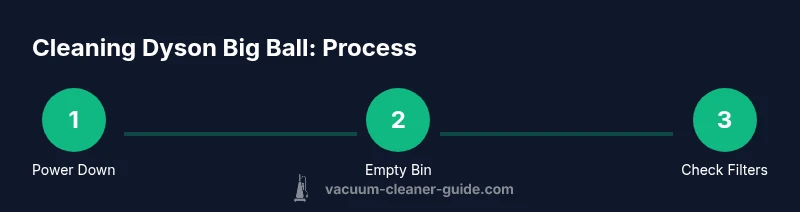
You can clean a Dyson Big Ball by following a safe, step-by-step routine: unplug the unit, empty the dust bin, clear the brush bar of hair, wash or replace filters per Dyson guidelines, wipe the cyclone housing, and inspect hoses for blockages. Regular maintenance keeps suction strong and extends the cleaner’s life.
Overview and what makes the Dyson Big Ball unique
If you’re wondering how to clean dyson big ball vacuum cleaner, this section explains design features that influence cleaning. The Big Ball chassis emphasizes a wide cleaning path, a swiveling head for easy maneuverability, and an integrated brush bar that can accumulate hair and fibers over time. Its cyclone system separates dust through multiple stages, while the pre-motor and post-motor filters protect the motor and improve air flow. Understanding these components helps you plan a cleaning routine that preserves suction and reduces wear. Throughout this guide, you’ll see practical steps that align with real-world use for homes with pets, carpets, and hard floors. According to Vacuum Cleaner Guide, routine maintenance is linked to longer motor life and more consistent performance. By following a methodical cleaning plan, you’ll minimize blockages and keep your Dyson Big Ball running like new for years to come.
Prep and safety checks before you start
Before you touch any internal parts, ensure safety and readiness. Unplug the vacuum from the wall outlet, switch off the power button, and remove the power cord away from the work area. Detach any removable tools or accessories, such as crevice tools or upholstery nozzles, so you can access the main body without snagging. Clear the area of obstacles and place a towel or tray under the unit to catch dust and debris that may fall during cleaning. If you’ve recently used the vacuum on wet surfaces or moisture, allow the unit to dry completely before proceeding. This reduces the risk of electrical short or damage to sensitive filters.
Cleaning the dust bin and cyclone assembly
Start by removing the dust bin and emptying its contents into a trash receptacle. Use a dry cloth to wipe the bin exterior, then gently rinse the bin with cool water if your model allows, ensuring the seals and connector areas stay dry. For the cyclone assembly, use a soft brush to dislodge dust from the exterior and the upper cyclone walls. Pay attention to the tiny channels where dust builds up; a toothpick or small brush can help dislodge stubborn clogs. Dry all parts thoroughly before reassembly. Avoid using strong solvents or abrasive cleaners on plastic surfaces as they can dull finishes or degrade seals. This step helps maintain airflow and suction integrity.
Cleaning the brush bar and wand attachments
Turn the brush bar by hand to check for hair wraps and fiber tangles; use scissors or a comb to cut away any entangled material. Do not yank or pull aggressively, which can damage bristles or the belt. Clean attachment nozzles and the wand with a damp microfiber cloth, then dry completely. Honing the brush bar not only improves cleaning efficiency but also reduces the chance of hair wrapping around internal components. If your model has a replaceable belt, inspect it for wear and replace if frayed or stretched; a worn belt can reduce brush speed and suction.
Cleaning or replacing filters (HEPA and pre-motor)
Check the filter housing for the location of the pre-motor and HEPA or post-motor filters. If your model provides washable filters, rinse them under cold running water until the water runs clear and let them air-dry completely for at least 24 hours before reinstalling. If the filters are not washable or show signs of damage (cracks, crumbling foam, or persistent odor), replace them with genuine Dyson replacements. Never use detergents or hot water on filters unless explicitly approved by Dyson. Clean filters help protect the motor, reduce odor, and maintain suction performance.
Inspecting hoses and air paths for obstructions
Carefully inspect all hoses and air paths for kinks, cracks, or blockages. Detach the wand and base hose where accessible and use a straightened wire or coat hanger to loosen lint and hair from internal passages. Be mindful of pinch points and connectors that can trap debris. A clear air path means stronger suction and more effective cleaning. If you encounter a stubborn blockage, take a pause and re-check the seals and gaskets around the cyclone housing to ensure there are no hidden leaks.
Drying, reassembling, and testing the machine
Before reassembling, confirm every part is completely dry to prevent mold or motor damage. Reattach filters, the bin, brush bar, and cyclone assembly in the reverse order of disassembly. Plug the unit into a grounded outlet and perform a test vacuum on a small area of carpet and hard floor to verify suction and brush function. Listen for abnormal sounds that may indicate a loose belt or misaligned components. If everything sounds normal, continue with a full cleaning cycle—this ensures you’re ready for routine maintenance intervals.
Maintenance plan and replacement indicators
Create a simple maintenance schedule that fits your household. Plan to check and clean the brush bar weekly if you have pets or daily dirt; inspect the cyclone housing monthly for dust buildup; and reseal or replace filters every 6–12 months depending on usage and environment. If you notice persistent loss of suction after cleaning, or a strong odor that won’t dissipate after washing filters, it’s time to replace components. Maintaining a routine reduces the risk of sudden failures and prolongs the life of your Dyson Big Ball.
Common mistakes to avoid and best practices
Avoid washing all parts together if the manufacturer specifies air-drying or air-washing only. Don’t use harsh chemicals on plastic components; use mild soap and water when appropriate. Always dry each part completely before reassembly to prevent mold growth. When in doubt, consult the user manual or Vacuum Cleaner Guide’s recommendations for model-specific maintenance. The best practice is to keep a small set of dedicated cleaning tools for your vacuum to avoid cross-contamination with other household items.
Tools & Materials
- Microfiber cloths(For wiping and dusting external surfaces)
- Soft brush or old toothbrush(To loosen debris from crevices and the brush bar)
- Warm water and mild soap(Gentle cleaning for shells and bins; avoid soaking motor areas)
- Replacement filters (if needed)(Use genuine Dyson replacements when replacement is required)
- Drying rack or clean towel(Air-dry parts completely before reassembly)
- Optional: small screwdriver(Only if model requires access to internal screws)
Steps
Estimated time: 60-90 minutes
- 1
Power down and unplug
Ensure the unit is disconnected from the mains and switch off any power. Remove any attachments to access the main body. This reduces the risk of electric shock and protects delicate components during cleaning.
Tip: Always unplug first; never clean a live vacuum. - 2
Empty the dust bin
Carefully remove the bin and empty it into a trash can. Wipe the bin with a damp microfiber cloth if needed. Let it dry before reattaching to the vacuum.
Tip: Do not overfill the bin to avoid debris blowing back during reattachment. - 3
Clean the brush bar
Detach the brush bar if possible and remove hair and fibers wrapped around it. Use scissors or a comb to extract stubborn clumps.
Tip: Keep the belt intact; excessive tugging can cause wear. - 4
Wash/replace filters
Rinse washable filters with cold water until clear; air-dry completely for at least 24 hours. Replace non-washable or worn filters as recommended by Dyson.
Tip: Never dry filters in direct sunlight or with heat. - 5
Clean cyclone and housing
Wipe the cyclone housing and rinse exterior areas if your model supports it. Use a soft brush to remove fine dust from tight corners.
Tip: Avoid soaking the cyclone in water. - 6
Inspect hoses and passages
Check hoses for kinks, cracks, and blockages. Use a tool or straightened wire to clear obstructions from air paths.
Tip: Ensure connectors are seated firmly to prevent leaks. - 7
Reassemble and test
Reconnect all parts in reverse order, plug in, and run a quick test on carpet and hard floor. Listen for unusual noises or loss of suction.
Tip: If nothing seems right, consult the manual before forcing components. - 8
Set a maintenance cadence
Create a routine to check filters, belt, and cyclone every 1-3 months depending on usage. Track performance with simple notes.
Tip: A simple calendar reminder helps sustain performance.
FAQ
Can I wash the Dyson Big Ball filter?
Many Dyson filters are washable, but always verify model-specific guidance. If washable, rinse with cold water and let them air dry completely before reinstalling. If uncertain or damaged, replace with genuine parts.
Yes, many Dyson filters are washable, but check your model's manual. Rinse with cold water and air dry fully, or replace with genuine parts if in doubt.
How often should I clean the brush bar?
Inspect the brush bar weekly, especially with pets or heavy shedding. Remove hair and fibers to maintain effective agitation and suction.
Check the brush bar every week and clear hair buildup so the vacuum cleans effectively.
Is it safe to use water on all parts?
Use water only on components approved by Dyson; avoid soaking the motor housing and electrical connections. For most models, simple damp wiping is sufficient.
Only use water where the manual allows; don’t wet the motor or electronics.
Why does suction drop after cleaning?
Blockages, dirty filters, or a loose belt can reduce suction. Recheck the filter, cyclone, and brush belt after cleaning to restore performance.
Suction drop usually means a blockage or dirty filter—check those parts and then test again.
Do I need to replace parts every year?
Replacement needs depend on usage. Monitor performance and replace belts and filters per Dyson's recommendations to maintain efficiency.
Parts may wear; replace belts and filters following Dyson's guidance as needed.
Can I clean the cyclone housing with soap and water?
Lightly wipe the cyclone housing with a damp cloth; avoid soaking. If your model allows, rinse exterior surfaces, then dry completely.
Wipe the cyclone housing with a damp cloth and let everything dry thoroughly.
Watch Video
The Essentials
- Unplug before any cleaning to stay safe.
- Clean and dry all parts before reassembly.
- Regularly inspect filters and cyclone components.
- Avoid harsh chemicals on plastic surfaces.
- Maintain a consistent maintenance schedule.