Can You Clean Carpet with Baking Soda? A Practical Guide
Discover if you can clean carpet with baking soda, how to use it safely, and deodorizing steps for light stains. Vacuum Cleaner Guide shares practical, science-based tips.


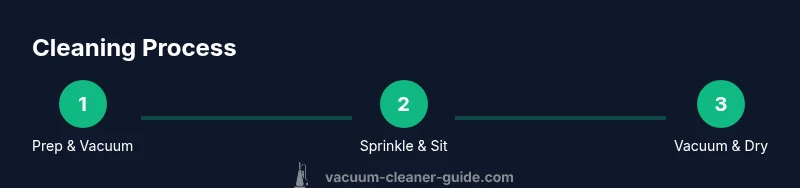
Yes. Baking soda can deodorize carpet and help with light cleaning when used correctly. It should not be the sole cleaner for tough stains. Vacuum thoroughly first, apply a light sprinkling, let it sit, and then vacuum again. For wet spills, blot and use a small amount with a mild solution, then vacuum after it dries.
Why Baking Soda Works for Carpets
According to Vacuum Cleaner Guide, baking soda is not a solvent but a deodorizer and mild absorbent. Its fine granules trap particles and neutralize odors from pets, moisture, and urine; it does not permanently remove heavy stains or deep-set grime. When used correctly, baking soda can help refresh carpet fibers between deeper cleanings without introducing harsh chemicals. For best results, pair it with a thorough vacuum and a light, controlled application rather than a soak. The goal is to lift odors and loosen grit rather than saturate the carpet backing. In homes with pets or strong cooking smells, regular deodorizing with baking soda can extend the time between deep cleanings and keep foot traffic areas smelling fresher. Always start with a clean, dry carpet surface and avoid introducing excess moisture that can wick odors deeper.
Beyond deodorizing, baking soda is inexpensive, widely available, and compatible with most synthetic carpet fibers. It offers a quick-refresh option for high-traffic areas like entryways, living rooms, and hallways. If you’re dealing with persistent odors, combine baking soda with a light vacuuming cycle and consider a professional cleaning for stubborn spots.
What Baking Soda Can Do vs. Other Cleaners
Baking soda excels at odor absorption and slight abrasion that helps lift surface dirt. It is generally gentler than aggressive solvents or strong detergents, making it a good first step for maintenance cleaning on everyday soils. Unlike commercial cleaners that rely on chemical surfactants, baking soda works mechanically: it traps molecules and reduces their scent release when vacuumed away. For organic stains (like coffee or juice), it can help mitigate color transfer only when used promptly and in small amounts. It is not a substitute for products specifically designed to break down protein stains, oil-based soils, or deep-grain residue. When moisture is present, baking soda can become a paste if mixed with water, which could leave a residue that requires thorough vacuuming. If you’re unsure, test on an inconspicuous patch and avoid applying to delicate fibers or wool.
For comparison, hydrogen peroxide or enzyme-based cleaners can target organic stains more effectively, but they may alter carpet color or react with dyes. Always check carpet manufacturer guidelines before applying any cleaner. If you’re cleaning a large area, consider using baking soda as a deodorizing baseline and finish with a proper cleaning method for the deepest stains.
Safety First: Testing and Prep
Safety and prep steps are essential to prevent unexpected damage. Always vacuum first to remove loose soil before any treatment. Wear a mask if you’re sensitive to dust and ensure the room is well ventilated. Test a hidden area of your carpet by applying a small amount of baking soda on a dry spot and letting it sit for 15 minutes before vacuuming. If you notice any color change or fiber distortion, stop and consult the carpet’s care instructions. Use dry baking soda rather than a damp paste to avoid introducing moisture that can lead to swelling or mold behind the fibers. Keep pets and children away during the process and use a light hand when distributing the powder to avoid creating wet patches that can take a long time to dry.
If you must deal with a spill, blot up liquids with clean towels first, then sprinkle baking soda on the area once it’s mostly dry. Allow it to sit as a deodorizer before vacuuming. For very damp spills, use a mild water-to-solution ratio and work from the outside toward the center, blotting up moisture rather than scrubbing aggressively.
Finally, always test on a hidden patch with any new routine to ensure colorfastness and fiber integrity. If in doubt, consult a professional cleaner or the carpet’s manufacturer guidelines.
Application Scenarios: Deodorizing, Light Cleaning, and Spills
Deodorizing. In high-traffic zones, light dusting of baking soda can drastically reduce odor buildup between professional cleanings. Apply evenly with a sift or shaker to avoid clumps, then allow 15–30 minutes of contact time before vacuuming. Even distribution helps prevent white residue from forming in concentrated spots.
Light cleaning. For carpets with normal soil loads, sprinkle a thin layer over the surface and work it in with a dry brush or broom in straight lines. The friction helps the powder lift soil without saturating the carpet. After 15–20 minutes, vacuum slowly and thoroughly. If you notice residue after vacuuming, repeat with a light pass.
Spills and stains. For fresh spills, blot with a towel to remove as much moisture as possible, then sprinkle baking soda to absorb remaining liquid. Let it sit until dry, then vacuum. For greasy or oily stains, consider a small amount of carpet-safe cleaner applied with a minimal amount of moisture, followed by vacuuming once dry. Always test a patch first to avoid color changes.
In pet households, baking soda is useful for deodorizing pet odors. Pair it with frequent vacuuming and a regular cleaning schedule to keep rooms smelling fresh. Avoid over-applying in one area; instead, distribute across the carpet to prevent damp patches that could promote mold growth.
Safety, Cleaning Plan, and Drying Considerations
Safety matters when integrating baking soda into your routine. Ensure the room is well-ventilated and avoid applying in damp conditions where moisture could wick into padding. Use a mask if you’re dust sensitive, and keep family and pets out of the area during application and first vacuuming. After applying baking soda, allow time for dust to settle and fibers to dry before walking on the carpet. If you’ve used a damp cleaning solution in addition to baking soda, dry the area thoroughly with a fan or open windows to speed up the process.
A practical cleaning plan combines baking soda with traditional vacuuming. Regular upkeep reduces the frequency of heavy cleanings and extends the life of carpet fibers. For large rooms, divide the area into sections and treat one portion at a time to avoid moisture buildup and ensure complete drying before reoccupying the space.
When in doubt about carpet type or dye stability, consult the manufacturer’s care guide. Delicate natural fibers may require alternative approaches beyond baking soda.
Drying, Vacuuming, and Maintenance
Drying is a key step when moisture is present or a cleaning solution has been used. After applying baking soda, allow at least 2–6 hours for the carpet to dry completely before heavy use or replacement of furniture. Using fans or opening windows can speed drying while maintaining good air circulation helps reduce moisture-related odors. Once dry, vacuum thoroughly with slow, overlapping passes to ensure all baking soda residues are removed. Inspect high-traffic areas again and re-vacuum if you notice any powder left behind. Periodic use of baking soda for deodorizing should be part of a broader maintenance plan that includes regular deep cleaning schedules, carpet protection under heavy furniture, and prompt attention to spills.
Note that baking soda should be stored in a dry area away from moisture and humidity to prevent clumping. If you notice any persistent odors after repeated treatments, it’s best to consult a professional cleaner or use an alternative cleaning method.
Common Pitfalls and How to Avoid Them
Common pitfall 1: Overuse of baking soda leading to visible residue. Solution: sprinkle a light layer and vacuum thoroughly. Pitfall 2: Applying baking soda to damp carpet. Solution: ensure the carpet is dry before application. Pitfall 3: Relying solely on baking soda for stains or heavy soils. Solution: combine with targeted cleaners or professional services when needed. Pitfall 4: Using baking soda on delicate fibers without testing. Solution: test first in an inconspicuous area.
To maximize results, always test a small hidden patch before full application and avoid saturating the carpet. Keep a clean vacuum cleaner ready for immediate post-application cleaning. If you’re cleaning a large area, divide it into sections and treat one at a time to maintain consistent results.
Maintenance and Aftercare: Keeping Carpets Fresh
Incorporate baking soda deodorizing into your carpet care routine every few weeks in high-traffic rooms. Schedule professional cleaning every 12–18 months, or as recommended by carpet manufacturers, to keep fibers fresh and extend carpet life. Pair baking soda deodorizing with regular vacuuming, spot-cleaning, and prompt spill response to maintain a clean, odor-free environment. Regularly check for wear patterns and consider protective measures under heavy furniture to prevent permanent indentations. Vacuum after each cleaning cycle to prevent powder buildup and ensure the best air quality in living spaces.
Tools & Materials
- Baking soda(Choose baking soda labeled for cooking or deodorizing; fine granules work best)
- Vacuum cleaner with adequate filtration(HEPA-filter preferred; ensure bagless canister used)
- Sifter or shaker(Optional to distribute evenly)
- Spray bottle with clean water(For dampening when needed)
- Mild carpet-safe cleaner (optional)(Only if recommended for tough stains)
- Soft cloth or microfiber towel(For blotting spills)
- Mask or ventilation(Ventilate rooms, keep pets away)
- Soft brush or old toothbrush(For stubborn spots)
Steps
Estimated time: 60-90 minutes active; 2-6 hours drying
- 1
Prepare area and materials
Clear the area, open windows for ventilation, and lay down towels to protect floors. Gather all tools before you begin to avoid interruptions. This prep reduces the chance of moisture reaching the carpet backing and ensures a smoother, controlled cleaning process.
Tip: Have a drop cloth ready and wear a mask if you’re dust-sensitive. - 2
Vacuum thoroughly
Vacuum the entire carpet to remove loose soil and debris. This step is crucial because loose dirt can become embedded when you apply baking soda, reducing its deodorizing effectiveness. Slow, overlapping passes ensure you pick up as much dirt as possible.
Tip: Use low to moderate suction to prevent powder from scattering. - 3
Test in an inconspicuous spot
Apply a small amount of baking soda on a hidden patch to check for color change or fiber damage. If there’s no adverse reaction after 15 minutes, you can proceed with regular use. Never skip the patch test on delicate fibers.
Tip: Choose a closet corner or under a rug for the test patch. - 4
Spread baking soda evenly
Using a sift or shaker, distribute a light, even layer over the carpet. Avoid thick clumps as they can become hard to remove and may leave residues. The goal is uniform coverage for odor absorption, not heavy application.
Tip: Work in sections to maintain even application. - 5
Let it sit
Allow the baking soda to sit for 15–30 minutes for deodorizing and soil lift. If you’re dealing with strong odors, you can extend sit time up to 60 minutes, but avoid letting it dry out completely in very dry environments.
Tip: While waiting, plan your drying time and ventilation strategy. - 6
Vacuum again thoroughly
Vacuum with slow, overlapping passes to remove all baking soda. A second, longer pass helps ensure no powder remains, which can be pulled into the air and settle elsewhere. Empty the canister or bag promptly if it fills with powder.
Tip: Run a final pass in high-traffic areas to catch any lingering dust. - 7
Address spills with damp cloth
For any visible spots or spills, blot with a damp microfiber cloth and a small amount of mild carpet cleaner if needed. Avoid rubbing, which can embed soil deeper. This step helps prevent staining from spreading while you clean.
Tip: Blot from the outside toward the center to prevent spreading. - 8
Drying and final check
Let the carpet dry completely, then vacuum once more to remove any residual powder. Drying times vary with humidity; ensure good airflow. A final inspection ensures no odor remains and the carpet area is ready for use.
Tip: Use fans or a dehumidifier to speed up drying in humid climates.
FAQ
Can baking soda remove tough stains from carpet?
Baking soda helps with deodorizing and light soils but isn’t a guaranteed stain remover for tough, oily, or old stains.
Baking soda helps with odors and light soils, but it may not remove tough stains on its own.
Is baking soda safe for pets and kids?
Baking soda is generally safe when used as directed and thoroughly vacuumed afterwards. Keep pets away during application.
Baking soda is usually safe if you vacuum it up completely and keep pets away during use.
Should I rinse after applying baking soda?
Rinsing is not typically required for deodorizing; focus on thorough vacuuming to remove powder residues.
Rinsing isn’t usually needed; vacuuming after is enough to remove the powder.
Can baking soda damage carpet fibers?
Baking soda is mild, but excessive use or moisture can leave residue or affect color on delicate fibers. Test first.
It’s usually safe, but test first and avoid soaking the carpet.
Can I use baking soda on all carpet types?
Most synthetic carpets respond well; test on delicate natural fibers first to avoid color changes.
Most synthetic carpets are fine, but test on delicate fibers first.
What about odors from pets?
Baking soda helps absorb pet odors; combine with good ventilation and regular vacuuming for best results.
Baking soda helps with pet odors when used with vacuuming and ventilation.
Watch Video
The Essentials
- Use baking soda for deodorizing, not heavy stain removal.
- Vacuum thoroughly before and after applying baking soda.
- Test a hidden area before applying to the entire carpet.
- Allow drying time and ensure complete removal of powder.
- Combine with professional cleaning for persistent stains or deep soils.