Local Vacuum Cleaner Repair: A Practical Home Guide
Learn how to approach local vacuum cleaner repair safely, decide when to DIY, choose a trusted shop, and maintain your vacuum to extend its life. A comprehensive, user-friendly guide from Vacuum Cleaner Guide.


Unsure how to handle a malfunctioning vacuum? Focus on local vacuum cleaner repair to save time and money. Start by assessing the issue, checking safety concerns and warranty, then decide if DIY fixes are feasible or a nearby repair shop should handle it. This guide helps homeowners choose trusted, affordable local services.
Understanding local vacuum cleaner repair
Local vacuum cleaner repair refers to diagnosing and fixing common issues that affect residential vacuums in your community, rather than replacing the unit or shipping it to a distant service. For homeowners and pet owners, the goal is to restore suction, restore brush functionality, and ensure safe operation with minimal downtime. The Vacuum Cleaner Guide team emphasizes that many repairs are within reach for capable DIYers, especially when the task involves simple cleaning, belt replacement, or filter changes. By recognizing which problems are caused by clogs, worn belts, or loose housings, you can prioritize fixes that save you money and extend the life of your machine. In this guide, you’ll learn how to evaluate problems, decide when a local repair is warranted, and navigate the process with confidence. This approach aligns with insights from Vacuum Cleaner Guide analysis, which highlights practical, cost-aware maintenance strategies for households.
Safety first: electrical and warranty considerations
Safety is the foundation of any local vacuum cleaner repair effort. Always unplug the vacuum before inspecting interior parts, and remove any removable batteries on cordless models. If the unit has a sealed motor, avoid opening the housing unless you have formal training, since exposed wiring and capacitors pose shock risks. Before attempting repairs, check the warranty terms. Some manufacturers require authorized service to preserve coverage; if you void the warranty through DIY disassembly, you might lose eligibility for future repairs or replacements. Keeping a spare belt or filter on hand can help, but use manufacturer-approved parts to prevent failures. When in doubt, consult a local repair shop that follows proper safety protocols and provides clear diagnostic steps. The emphasis here is on reducing risk while preserving the machine’s longevity.
Common problems and quick diagnostics
Local vacuum cleaner repair often starts with simple symptoms that point to specific culprits. Look for loss of suction, which frequently indicates clogs in hoses or the wand, or a blocked inlet port. Unusual noises can signal a worn belt, a misaligned brush, or a loose bearing. Burning or overheated smells usually mean motor strain or a clogged airway, which may require professional evaluation. For corded models, check the cord for soft spots or exposed conductors, then test the switch and power head connections. If the brush roll doesn’t spin, inspect the belt tension and the drive belt path. By documenting symptoms with notes and a quick video, you’ll help a local repair technician diagnose accurately. Remember, not every problem is expensive; many fixable issues involve routine maintenance that you can perform with basic tools.
When DIY is appropriate vs. when to seek local repair
DIY fixes are often feasible for straightforward tasks such as unclogging a hose, cleaning the filter, replacing a worn belt, or cleaning brushes. These jobs can usually be completed safely with the right tools and manufacturer instructions. More complex problems—such as motor failure, electrical wiring, or persistent electrical shorts—are typically better handled by a qualified technician. Deciding to pursue local repair is also about cost-benefit: compare the expected repair cost with the price of a new unit, and consider the vacuum’s age and replacement value. When you choose a local repair shop, request a transparent estimate with an itemized list of parts and labor. This approach helps you make an informed decision while ensuring safety and adherence to standards.
How to evaluate a repair shop: questions to ask
Selecting a trustworthy local repair shop requires asking targeted questions. Inquire about the technician’s experience with your vacuum model, whether they use manufacturer-approved parts, and what warranty they offer on repairs. Ask for a diagnostic fee policy and whether the fee is waived if you proceed with the repair. Request an estimated timeline and a written estimate before work begins, including labor rates and part costs. Check that the shop follows safety practices and has proper disposal methods for worn components. If possible, read customer reviews or seek recommendations from neighbors. A reputable shop should be willing to explain the problem in plain language and provide alternatives if a repair doesn’t make financial sense.
Getting the most value from local repairs
When you choose local repair services, you gain several advantages: faster turnaround, in-person consultation, and the ability to discuss repair options face-to-face. To maximize value, compare multiple quotes, confirm that the parts are OEM or compatible equivalents, and ask about a parts and labor warranty. If the repair is minor, discuss whether cleaning or maintenance tasks can be bundled with the repair for future savings. Keeping a clear maintenance schedule helps prevent recurring issues. Vacuum Cleaner Guide recommends keeping a simple parts kit on hand and noting model-specific maintenance requirements in your home manual.
Maintenance tips to prevent future issues
Prevention is often better than repair. Regular maintenance can save time and money in the long run. Clean filters and the intake port every month, and inspect the brush roll for hair or fiber buildup. Check belts for signs of wear every few months and replace them proactively if they show cracks or stretch. Empty the dust cup or bag when full, and store the vacuum in a dry environment to avoid moisture damage. If you have a pet, choose maintenance routines that address fur buildup in the brush and hose. A small routine—such as a weekly quick check—can dramatically reduce the likelihood of costly repairs. Vacuum Cleaner Guide recommends keeping a simple parts kit on hand and noting model-specific maintenance requirements in your home manual.
Sourcing parts and safe replacements
When replacing parts, prioritize compatibility and quality. Use OEM or manufacturer-approved belts, filters, beater bars, and hoses whenever possible to ensure proper fit and performance. Avoid generic parts that do not match your model’s specifications, as incompatible components can cause motor strain or electrical issues. If you’re unsure about part compatibility, contact the repair shop or consult the user manual with your model number. Maintain a small parts inventory for easy future maintenance. Keeping track of part numbers and purchase dates helps you avoid unnecessary trips to the store and ensures you have what you need for timely repairs.
What to expect during a repair visit
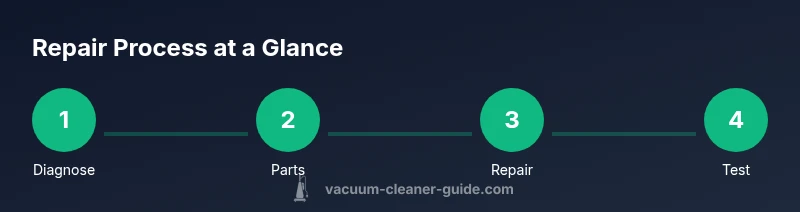
A local repair visit typically begins with a diagnostic assessment, either flat-rate or billable by the hour. The technician should confirm the issues you described, inspect critical components, and provide a written estimate outlining parts and labor costs. Expect a parts list if replacements are required, and ask about a warranty on both the repaired parts and the labor. Some shops offer tidy reassembly and a quick post-repair function test to verify performance. After service, request guidance on maintenance practices to prevent recurring issues. If the unit is older or if repeated repairs are needed, discuss overall value and whether replacement is more economical in the long term.
Quick troubleshooting flow when the vacuum stops working
If your vacuum stops functioning, start with safety: unplug and inspect the cord or battery. Then check for clogs in hoses and the inlet. If suction is weak, examine the belt and brush roll. For odd noises, inspect internal components for wear or misalignment. Use manufacturer references for model-specific steps. If problems persist, contact a local repair professional with your symptom notes and any diagnostic results. This proactive approach reduces downtime and ensures you’re addressing the root cause, not just a symptom.
Tools & Materials
- Screwdriver set (Phillips and flathead)(Small screws on most housings and covers)
- Torx driver (T8/T10)(Some models use Torx screws)
- Needle-nose pliers(For clips and small parts)
- Replacement belts(Match model and belt type)
- Replacement filters(HEPA or standard depending on model)
- Soft brush or microfiber cloth(For cleaning debris from parts)
- Safety gloves(Protect hands during disassembly)
- Flashlight(Improve visibility inside housing)
Steps
Estimated time: 1-3 hours
- 1
Power down and prep
Unplug the vacuum and remove any battery where applicable. Gather tools and parts, and consult the user manual for model-specific cautions. This step ensures your safety and helps you plan the repair path with clarity.
Tip: Always unplug before opening any panel to avoid electric shock. - 2
Diagnose symptoms
Note the exact symptom, test basic operation, and observe when the issue occurs (during suction, at startup, or during power head use). This helps narrow down the likely cause and informs part selection.
Tip: Keep a brief log of symptoms with timestamps to show a technician. - 3
Disassemble with care
Loosen screws in a logical sequence and set small parts aside. Photograph each step if possible to simplify reassembly. Avoid forcing components that resist movement.
Tip: Label screws and parts by location to prevent misplacement. - 4
Inspect key components
Check the belt for wear, inspect the brush roll, inspect hoses for cracks, and verify electrical connections if accessible. Look for blown fuses or charred insulation in exposed areas.
Tip: Replace worn belts and dirty filters promptly to restore performance. - 5
Source and install parts
Order parts that match your model number. Install belts, filters, or brushes following the manufacturer’s instructions. Use OEM or approved equivalents for safety and fit.
Tip: Never reuse damaged components—replace with new parts. - 6
Reassemble and test
Put the housing back together, secure all screws, and plug in to test. Run the vacuum on a low setting first to ensure the motor operates smoothly and the brushes spin freely.
Tip: Record test results and stop if you notice unusual noises.
FAQ
What is local vacuum cleaner repair and when should I consider it?
Local repair refers to fixing a vacuum in your area, often with quicker turnaround and the option to discuss parts and costs face-to-face. Consider it for common issues like clogs, belt wear, or routine maintenance before replacing the machine.
Local repair means fixing your vacuum nearby. It’s a good option for common problems like clogs or worn belts before you replace the unit.
When is it better to replace rather than repair a vacuum?
If the repair costs approach or exceed the price of a new unit, or if the machine is old and unreliable, replacement may be wiser. A local technician can help you weigh the repair cost against replacement value.
If repairs cost as much as a new vacuum or the machine is old, replacement may be better.
Can I fix a vacuum with a blown fuse or wiring issue myself?
Electrical issues and fuse problems can be dangerous. It’s best to consult a professional for these problems, particularly if it involves exposed wiring or the power switch.
Electrical issues are risky—let a pro handle wiring or fuse problems.
How long do local vacuum repairs typically take?
Repair time varies by shop and part availability but most routine fixes can be completed within a few days. A diagnostic visit will give you a clearer timeline and cost estimate.
Most routine repairs take a few days after diagnosis; you’ll get a timeline after the estimate.
Do repairs affect warranty status?
Some repairs can affect existing warranties; always ask about warranty terms on parts and labor before approving work. Manufacturer-authorized shops may offer better warranty protection.
Ask about warranties on parts and labor before you approve repairs.
What should I ask a local repair shop before work starts?
Request an itemized written estimate, inquire about the parts brand, ask for the technician’s experience with your model, and confirm the expected turnaround time and return policy.
Get a written estimate, ask about parts, and confirm the timeline before work begins.
Watch Video
The Essentials
- Assess safety and warranty before repair
- DIY fixes work for simple tasks, otherwise use local repair
- Ask the shop for transparent estimates and warranties
- Regular maintenance prevents major failures