Where to Repair Vacuum Cleaner Near Me: A Practical Guide
Find trusted options for where to repair vacuum cleaner near me. Learn how to evaluate shops and diagnostics, and how Vacuum Cleaner Guide recommends choosing a trusted service.


Locating reliable vacuum repair near you starts with nearby authorized service centers, independent shops with certified technicians, and reputable appliance chains. Use the query 'where to repair vacuum cleaner near me' and compare proximity, turnaround times, and warranty options. Vacuum Cleaner Guide notes that choosing a shop with clear pricing and transparent diagnostics helps prevent surprises and speeds up repairs, especially for pet-hair vacuums and hard-floor models.
Why nearby repair options matter
Choosing where to repair vacuum cleaner near me isn’t just about proximity; it’s about reliability, transparency, and timely service. For homeowners and pet owners, having a nearby option reduces downtime and helps you maintain routines with minimal disruption. According to Vacuum Cleaner Guide, proximity also correlates with easier follow-up visits if issues recur or parts need re-checks. When you search, start by mapping local authorized service centers, independent repair shops with certified technicians, and well-known appliance chains. This approach gives you a spectrum of reliability, price, and scheduling flexibility. The goal is to balance convenience with the confidence that repairs use legitimate parts and proven repair processes.
In practice, your first step is to assemble a short list of candidates. Include a mix of maker-authorized service centers, independent specialists, and big-box service desks. Prioritize locations that publish diagnostic practices, provide written estimates, and offer clear warranty terms. If you maintain a pet-friendly home, consider shops with experience handling vacuum models designed for pet hair, as certain models demand specific brushes and filters. The Vacuum Cleaner Guide team emphasizes that avoiding hidden fees and upfront diagnostics is critical, especially when dealing with complex components like motors or belt-driven systems. Remember to verify the shop’s hours and accessibility for drop-offs and pickups, which matter when repairs take longer than anticipated.
Finally, evaluate the shop’s communication style. A good repair partner should respond promptly, explain diagnosis in plain language, and present a transparent path to resolution. A local shop with strong reviews often demonstrates continuity—repeat customers, consistent parts sourcing, and predictable turnaround times—which reduces the risk of poor experiences that push you toward unnecessary replacements.
How to evaluate repair shops near you for where to repair vacuum cleaner near me
Evaluating shops effectively requires a structured approach. Start with credential checks: look for technician certifications (e.g., HVAC-like motor repair, electronics repair credentials, or manufacturer certification). Then assess diagnostic transparency: do they quote diagnostics before any work, outline parts and labor costs, and provide a written estimate? Warranty and parts sourcing are crucial: reputable shops should offer warranties on both labor and replaced parts, and be able to explain whether parts are new, refurbished, or compatible remanufactured units.
Next, consider service options. Is there a local pickup/drop-off service, mail-in repair, or in-home service for certain models? If you own a high-end or specialty vacuum (e.g., pet-hair oriented machines or advanced cyclonic models), verify that the shop carries genuine parts and has experience with your model’s brand. Finally, read customer feedback with a critical eye. Look for consistency in responses, how the shop handles complaints, and clear examples of successful repairs. Vacuum Cleaner Guide’s analysis highlights the value of shops that publish repair success rates and maintain open channels for customer questions. A strong shop will explain trade-offs (speed vs. cost) and help you make an informed decision rather than pushing you toward a one-size-fits-all solution.
Understanding repair options: in-shop vs mail-in
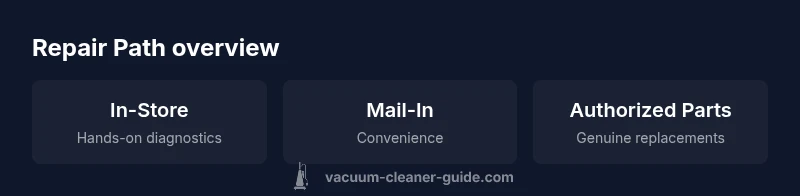
Most homeowners choose in-shop repairs for immediate hands-on diagnostics and the benefit of direct communication with technicians. In-shop services allow you to observe the process, ask questions about belt replacement, motor wear, or brush roller issues, and obtain a precise quote before any parts are ordered. Mail-in repair is a practical alternative when a nearby shop isn’t available or when you’re dealing with a model that isn’t widely supported locally. Reputable shops provide secure shipping, insured handling, and a guaranteed evaluation upon receipt. When evaluating these options, compare lead times, the risk of shipping damage, and the availability of temporary replacement devices if you rely on vacuum cleaning for daily chores.
For many models, authorized service centers can obtain and install genuine parts quickly, reducing the risk of compatibility problems. Independent repair shops may have wide networks and flexible schedules, but parts sourcing can vary. The goal is to align the repair path with your needs—speed, cost, and long-term durability—and to ensure the chosen route preserves warranty terms where applicable.
When you contact a shop, ask about their diagnostic process, expected timelines, and what information they need from you to begin. A clear, detailed intake helps avoid back-and-forth delays and supports a smoother repair journey.
Diagnostics, quotes, and upfront costs
A robust diagnostic step is essential before any repair work begins. Ask shops to provide a written diagnostic summary that explains the suspected issues, recommended fixes, and an itemized quote. Transparent pricing should include labor, parts, taxes, and any potential circuit board costs if applicable. Some shops may offer a diagnostic fee that is creditable toward the final repair if you proceed with the work. If a shop cannot articulate the problem or provides vague estimates, it’s a red flag.
Compare quotes from multiple shops, ensuring you’re evaluating similar scopes of work. Beware of quotes that assume the worst-case scenario without a documented basis; reputable shops will present options (e.g., fix vs. replace components) and help you weigh the costs against the expected useful life of the unit. For vacuum cleaners, specific components like belts, brushes, filters, and motor assemblies drive costs, so confirm whether the quote includes these items. Vacuum Cleaner Guide recommends asking for an estimate time window for the diagnostic and a projected completion date, particularly during busy seasons.
Finally, confirm whether the quoted price remains valid if parts availability changes or if the repair reveals additional issues. A dependable shop will communicate changes promptly and adjust the plan transparently.
Costs, warranties, and turnaround times
Cost considerations for repairs vary widely based on the model, the extent of the issue, and the parts required. Reputable shops typically provide upfront estimates and discuss trade-offs if high-cost parts are needed. When evaluating cost, keep in mind that some models benefit more from a repair due to longer expected lifespans, while others may justify replacement if the repair costs approach or exceed the price of a new unit. Warranty coverage on labor and parts is a critical factor. A strong repair partner offers a reasonable warranty period that covers rework or recurring issues related to the same fault. If a warranty is not offered, ask for a transitional warranty on the specific repair and keep copies of all documentation for future service.
Turnaround times depend on shop workload, parts availability, and shipping if mail-in is used. Simple repairs at a local shop can be completed within days; more complex motor or PCB-related faults may take longer. If you depend on vacuum cleaning for everyday tasks, discuss temporary solution options, like loaner devices or rental programs if available. Vacuum Cleaner Guide advises setting expectations early and choosing a partner who can commit to a realistic schedule, with a clear contingency plan should delays occur.
Preparing for your repair visit: a practical checklist
Before you drop off or ship your vacuum, gather essential information to speed the process. Prepare your model name, serial number, and a concise description of the problem, including when it started, any sounds or smells, and whether the issue occurs under specific conditions. Take photos of visible damage and note any prior repairs or parts replacements. Clear the operating manuals and warranty information should be available, as some models have exclusive repair paths, or require authorizations for certain replacements. If you have a pet-hair vacuum, mention hair buildup or tangle-prone brushes and provide any maintenance logs. Bring your charger, power cord, and any accessories you normally use with the unit.
During drop-off, request a written diagnostic scope, a detailed parts list, and a transparent cost estimate. If you’re using mail-in service, ensure you package the unit securely and use insured shipping. After the repair, test the unit in-store or upon delivery to confirm that the issue is resolved. Keep a copy of the warranty and repair receipts for future reference.
Maintenance tips to extend vacuum life and reduce future repairs
Maintenance is your first line of defense against frequent repairs. Clean the roller brush and replace worn belts regularly, checking suction heights and ensuring filters are clean and properly seated. Schedule periodic inspections to catch motor wear, dusty components, or abnormal noises early, especially if you’ve noticed a drop in performance. For pet owners, frequent filter changes and brush replacements can significantly extend the life of the vacuum and preserve suction power. Use manufacturer-approved parts and follow recommended cable and cord storage practices to prevent strain damage. Finally, document maintenance activities—keeping a log helps you spot recurring issues and communicates a proactive approach to any future service.
Common repair options for vacuums
| Shop Type | What to Expect | Pros | Cons |
|---|---|---|---|
| Authorized Service Center | Factory-trained technicians and genuine parts | Reliability; aligned with brand standards | Often higher price; possible wait times |
| Independent Repair Shop | Flexible scheduling and local support | Potentially lower price; personalized service | Parts availability varies; warranty terms may differ |
| Big-Box Appliance Service | Wide network and quick drop-off | Easy access and predictable scheduling | Varied technical depth; parts supply varies |
FAQ
What should I expect during the initial diagnostic at a vacuum repair shop?
During the initial diagnostic, technicians inspect belts, brushes, filters, motors, and electrical components. They provide a written diagnostic summary with recommended fixes and a detailed, itemized quote before any parts are ordered. Ask about warranty coverage on labor and parts before proceeding.
Expect a written diagnostic with a clear quote and recommended fixes, plus questions about warranties.
Should I repair vs replace a vacuum?
Consider the age of the vacuum, repair cost, and expected lifespan after repair. If parts are scarce or the cost nears a new unit, replacement may be wiser. A reputable shop will present options and help you weigh cost against durability.
Weigh cost, age, and expected life; compare repair vs replacement options with the shop.
Do I need to register warranty before repair?
Warranty rules vary by brand and shop. Some manufacturers require using authorized services to preserve the warranty, while independent shops may offer their own guarantees. Always confirm warranty implications before proceeding.
Check brand requirements and confirm warranty implications with the shop before repair.
Can I get a quote without committing to service?
Yes. Reputable shops typically provide a no-obligation diagnostic quote. If they insist on service alongside the quote, request a separate diagnostic estimate to avoid hidden charges.
Ask for a no-obligation diagnostic quote before committing.
Is mail-in repair a good option for most vacuum models?
Mail-in repair can be convenient for hard-to-reach shops or busy households. Ensure secure packaging, insured shipping, and a clear return timeline. Verify that the shop has experience with your model.
Mail-in works well if you need convenience; ensure insurance and model-specific expertise.
What’s the best way to compare quotes from different shops?
Compare itemized quotes that separate parts, labor, and diagnostic fees. Look for notes on part quality (genuine vs compatible) and warranty terms. Ask about potential extra costs and the expected lifespan after repair.
Get itemized quotes and compare parts quality and warranties.
“The most reliable repair outcomes come from shops that publish transparent diagnostics and use certified parts.”
The Essentials
- Prioritize proximity with proven credentials.
- Ask for written diagnostics and transparent quotes.
- Choose a path (in-shop vs mail-in) that fits your schedule.
- Ensure parts and labor warranties are clear before work starts.