How to Use a Wet and Dry Vacuum Cleaner for Sofa Cleaning
Learn to safely use a wet-dry vacuum on sofas, including fabric testing, attachments, moisture control, and drying. A practical guide from Vacuum Cleaner Guide to help homeowners and pet owners keep upholstery fresh and protected in 2026.


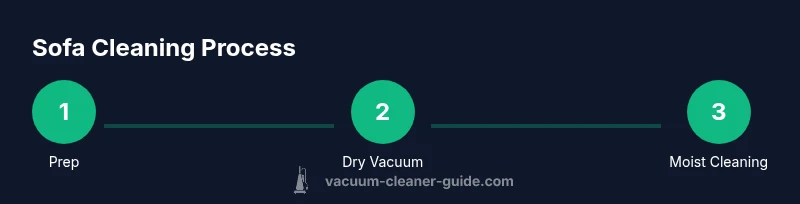
You can safely clean a sofa with a wet-dry vacuum by preparing the area, testing a hidden patch, and using the upholstery attachment on a low suction setting. Begin with a dry pass to remove loose dirt, then use a damp cloth or light cleaning solution to treat stains, and finally extract moisture to speed drying. Always avoid soaking the fabric.
What a wet-dry vacuum does for sofa cleaning
According to Vacuum Cleaner Guide, a wet-dry vacuum can be a versatile tool for upholstered furniture, combining powerful suction with the ability to manage moisture. For the task at hand—how to use wet and dry vacuum cleaner for sofa—you’ll want to understand three core capabilities: debris removal, moisture extraction, and spot treatment. With the upholstery attachment and a careful moisture level, you can lift dirt from fibers without soaking cushions. Begin by inspecting the sofa’s fabric and colorfastness; some textiles dislike excess moisture and may swell or bleed if over-wetted. The goal is to create a clean surface while allowing quick, safe drying. When used correctly, a wet-dry vacuum helps remove pet hair, dust mites, and light stains more efficiently than dry vacuuming alone. Always operate at a low suction setting the first passes, then adjust as needed based on fabric texture and observed residue. Remember, less moisture is more when cleaning soft furnishings. This approach reflects Vacuum Cleaner Guide’s 2026 recommendations for sofa care.
Assessing the sofa fabric and cleaning goals
Before you reach for the wand, identify the sofa’s fabric and your cleaning objectives. Synthetic blends such as polyester or microfiber tolerate moisture better than natural fabrics like cotton or linen, but colorfastness tests are essential for all types. Start by applying a small amount of your cleaning solution to a hidden area and waiting 5-10 minutes to check color transfer or fabric distortion. If the patch remains stable, you can proceed with cautious moisture. Review cushions, seams, and piping; tufted areas may trap dirt deeper than surface fabric. For pet owners, plan extra time for hair removal and odor control. Set realistic goals: removing surface soil, lifting stains, and refreshing nap without turning the sofa into a waterlogged object. Ground rules: never saturate foam cushions, and avoid direct heat sources that could shrink fabric or warp cushioning.
Gather the right attachments and settings
Equip your vacuum with the correct tools for upholstery work. The standard upholstery nozzle is ideal for broad surfaces, while the crevice tool helps reach seams and under cushions. A soft brush can loosen embedded dirt without abrading fibers. Have a clean microfiber cloth, a mild upholstery-safe cleaner, and a spray bottle ready. Set the vacuum to a low or medium suction and test on a hidden patch first. If your machine has a separate water tank, use only clean water with a drop of mild dish soap or a dedicated upholstery cleaner, never bleach or ammonia-based products. Maintain a steady hand and avoid long, aggressive passes that can compress the fabric.
Pre-cleaning: dry removal of debris
Dry cleaning steps should come first to minimize the amount of moisture needed later. Use the vacuum’s dry setting to remove loose soil, crumbs, and pet hair from the surface and crevices. Work in small, overlapping strokes to ensure you catch fibers that hide in nap directions. For cushions that lift away, vacuum the underside and seams separately. This stage dramatically reduces the amount of water you’ll need to use later and lowers the risk of over-wetting the padding beneath the fabric. When finished, check for any stubborn spots that will require a targeted approach rather than a full-surface treatment.
Wet cleaning: controlled moisture and extraction technique
Mix a small amount of upholstery-friendly cleaner with water, or simply use a damp microfiber cloth for delicate fabrics. Lightly mist the fabric from an oblique angle rather than pouring solution directly on seams. Work in small sections, moving the nozzle in straight, overlapping passes while applying gentle pressure. Immediately follow with the vacuum’s suction to extract moisture and lifted soil. For stubborn stains, hold a cloth already dampened with cleaner over the area for 15-30 seconds, then continue with suction. Avoid soaking the foam cushions or allowing liquid to pool in crevices; excessive moisture can lead to mold and odor.
Spot stain treatment and fabric safety
Not every stain responds to general cleaning, so reserve targeted approaches for specific issues. Blot spills with a clean towel rather than rubbing, which can push stains deeper. Use a fabric-safe stain remover on a small area first, then rinse with a damp cloth and vacuum again to remove residue. For pet-related marks, enzyme cleaners can help with odors, but always test on an inconspicuous patch. If the fabric has a nap (like velvet), brush in the direction of the nap after drying to restore texture. Remember to vent the room well to accelerate drying.
Drying, air circulation, and cushions
After cleaning, ventilation is key to preventing mildew and residual moisture. Remove cushions if possible and place them in a warm, dry area with good airflow. Use fans or a dehumidifier to speed evaporation; aim for a dry feel to the touch within 2-6 hours, depending on fabric and room conditions. Return cushions once fully dry, brushing the nap again if needed. Do not use the sofa until all components are completely dry, including any inner layers that may hold moisture. If persistent dampness occurs, consider cushions with removable covers for easier drying.
Post-cleaning care and maintenance
Finish with a quick preventive routine to keep upholstery looking fresh. vacuum the sofa weekly with the upholstery tool to remove accumulation that can turn into stubborn stains. Rotate cushions to keep even wear and check for signs of color fading after repeated moisture exposure. For homes with pets, consider treating fabrics with a pet-friendly protector after cleaning to reduce future staining. Document the fabrics’ care instructions and avoid using products that could void warranties. Regular maintenance extends the life of your sofa and keeps it looking newer longer.
Common mistakes and safety considerations
Common errors include using too much water, saturating cushions, and skipping testing. Excess moisture invites mold, musty odors, and sagging cushioning. Always start with a dry pass, use the smallest amount of moisture necessary, and never use a heat source to speed drying; instead, rely on air movement. Cord management matters: keep cords away from damp surfaces and unplug when moving between sections or cushions. Finally, review the sofa warranty and fabric care labels before treating stains, because certain cleaners can void protections. The Vacuum Cleaner Guide team recommends following these best practices to keep your sofa clean and safe.
Tools & Materials
- Wet-dry vacuum cleaner(Ensure unit has upholstery attachments and empty reservoir)
- Upholstery nozzle / attachment(Wide nozzle for surfaces; additional crevice tool for seams)
- Soft brush attachment(Gentle on nap fabrics)
- Microfiber cloths(Multiple for blotting and dampening)
- Mild upholstery cleaner or mild dish soap(Fabric-safe; test on hidden area first)
- Spray bottle(For applying cleaner lightly)
- Bowl or bucket(To rinse and dilute cleaners)
- Fans or dehumidifier(Speeds up drying time)
- Protective gloves(Optional but helps with cleaners)
- Small brush for nap direction(Brush nap after drying)
Steps
Estimated time: 60-90 minutes
- 1
Prepare the space and sofa
Move furniture as needed to expose the area. Remove cushions if possible and place towels or a drop cloth to protect surrounding surfaces. Check that you have all attachments handy and ready for a smooth cleaning session.
Tip: Clear the area to keep cords and tools within easy reach. - 2
Dry vacuum to remove loose debris
Using the upholstery nozzle, vacuum the entire surface with slow, overlapping passes. Target seams and under cushions to lift embedded dirt and pet hair before introducing moisture.
Tip: A dry pass reduces the amount of moisture required later. - 3
Test fabric and prepare cleaning solution
Apply a tiny amount of cleaner on a hidden patch to check colorfastness. Prepare a diluted solution or use water with a drop of mild dish soap as a gentler option for delicate fabrics.
Tip: If color transfers, stop and switch to a dry-only method for that area. - 4
Perform controlled wet cleaning
Lightly mist in small sections and immediately extract with the vacuum. Work in straight, overlapping passes; avoid pooling water on seams or padding.
Tip: Never oversaturate cushions—moisture should be just enough to lift grime. - 5
Spot treat persistent stains
Apply stain remover to a small area, blot with a clean cloth, then vacuum again to lift residue. Refrain from scrubbing, which can push stains deeper.
Tip: Always test stain removers first on an inconspicuous patch. - 6
Dry and restore nap
Ventilate the room and use fans to speed drying. Once dry, brush the nap in the direction of the fabric to restore texture.
Tip: Do not rush drying; damp cushions can harbor odors and mold.
FAQ
Can I use a wet-dry vacuum on all sofa fabrics safely?
Most synthetic fabrics tolerate moisture well, but always test a hidden patch first and avoid heavy saturation on delicate textiles. If color bleeding or distortion occurs, discontinue use on that area and seek fabric-specific guidance.
Most fabrics tolerate some moisture, but always test first and avoid soaking delicate textiles.
Is it safe to use water-based cleaners on upholstery?
Yes, for many fabrics, as long as you use a mild solution and test first. Some fabrics require only water or a damp cloth—follow care labels and avoid bleach.
Yes, with caution. Test first and follow the fabric care label.
How long does it take for the sofa to dry after cleaning?
Drying time varies by fabric and ventilation. Expect several hours to a full day; ensure good airflow and avoid using the sofa until fully dry.
Drying can take several hours to a day depending on fabric and airflow.
What attachments work best for pet hair on sofas?
Use a stiff-bristle brush or rubber pet-hair attachment along with the upholstery nozzle to lift hair before extraction. Vacuum in multiple passes for thorough removal.
Try a pet-hair attachment plus the upholstery nozzle and vacuum in passes.
Should I use a higher suction setting after cleaning?
Start with the lowest effective suction to avoid fabric distortion, especially on delicate textiles. Increase only if you see residual soil and the fabric holds its shape.
Begin with low suction and increase only if needed.
Watch Video
The Essentials
- Test fabric colorfastness before cleaning
- Use minimal moisture to prevent mold
- Vacuum dry areas first
- Dry thoroughly before use
- Choose the correct upholstery attachments