How to Keep Carpet Clean With Toddlers: Practical Steps
Discover practical, toddler-friendly strategies to prevent and remove carpet stains using safe cleaners, quick spill responses, and a simple routine that fits busy family life.


This guide provides a practical, toddler-friendly plan to keep carpets clean by combining quick spill responses, safe cleaners, and a simple cleaning routine. You’ll learn how to act fast on accidents, select kid-safe products, and build a repeatable schedule that minimizes mess while protecting fibers and indoor air quality.
Why Toddlers Challenge Carpet Cleanliness
How to keep carpet clean with toddlers is a daily concern for many households. According to Vacuum Cleaner Guide, the combination of frequent spills, impulsive snacks, and on-the-go play leads to rapid buildup of stains and odors in carpets. Toddlers bring color from markers, sticky beverages, and muddy feet across the living room, and a carpet's fibers trap particles easily. The good news is that with a structured routine, kid-safe products, and smart routines you can slash both the frequency and intensity of messes. The aim is not to eliminate mess entirely but to manage it so cleanup is fast, effective, and safe. Start by acknowledging three realities: first, timing matters—spot treatments work best ASAP; second, choice of cleaners affects safety and fiber longevity; third, consistency compounds benefits over time. In this guide, we’ll outline step-by-step actions you can implement this week, plus longer-term strategies that reduce mess as toddlers grow. The approach blends practical housekeeping with toddler-friendly habits, so kids learn to participate in cleanup rather than become passive bystanders. According to Vacuum Cleaner Guide’s analysis, small changes in routine compound over time, cutting overall cleaning effort.
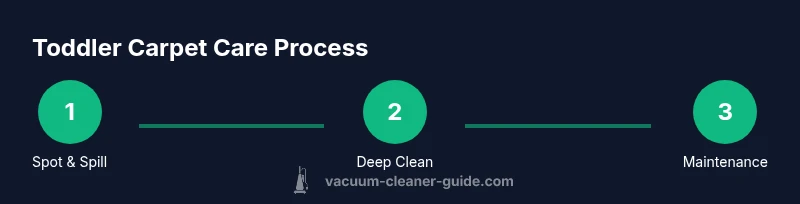
Quick Wins: Fast Spill Response for Busy Mornings
Spills happen in a blink. The fastest path to minimize staining is to act immediately. Start by removing the solid material, if any, then blot the spill with a clean microfiber cloth, pressing gently without grinding. Do not rub, as rubbing can push liquid deeper into the carpet fibers. If the stain is water-based, blot and dampen lightly with a small amount of water; for color-containing spills, apply a safe stain remover and blot again. Having a small spill kit at the ready—microfiber towels, a spray bottle with water, enzyme-based cleaner, and baking soda—helps you respond within minutes. Vacuuming after the carpet is dry lifts loose particles and reduces future staining. If a stain persists after initial treatment, repeat the blot-and-blot process and consider light steam cleaning with kid-safe solutions. The key is to move quickly, stay consistent, and keep toddlers involved in safe tasks like carrying towels or sorting supplies (supervised, of course).
Deep Cleaning Routine That Works With Kids
Implement a weekly ritual that blends cleaning with routines your toddler already follows, such as after bath time or before weekend family time. A practical deep-clean plan includes removing rugs if possible, performing a thorough vacuum with a HEPA-filtered vacuum, and spot-cleaning stubborn marks with a dedicated stain remover. Schedule a 60–90 minute window once a week to refresh high-traffic areas (entryway, living room, play corner). Use a carpet cleaner or upright machine with a low-moisture setting to avoid long drying times. For large rooms, break the session into two parts to keep kids engaged and to reduce the sense of disruption. If you don’t own a carpet-cleaning machine, many rental models or professional services offer monthly or quarterly options. Always pre-test cleaners in an inconspicuous area to avoid color loss, and ensure the solution is safe for children and pets. After cleaning, allow thorough drying and consider a light deodorizing powder that is safe for toddlers before vacuuming again.
Choosing Tools and Cleaners With Toddlers in Mind
Safety and simplicity should guide product choices. Look for enzyme-based stain removers that are kid-safe and fragrance-free; avoid harsh solvents around children. When selecting a vacuum, prioritize models with strong suction on carpet fibers, a HEPA filtration system, and easy-empty dust cups. For high-traffic areas, a combination machine that can vacuum and steam-clean is helpful, but ensure it has child-safe settings and low moisture output to speed up drying. Keep cleaning products in a high shelf or locked cabinet out of reach, and label spray bottles clearly. Use microfiber cloths instead of rough brushes for blotting to prevent fiber damage. If possible, choose cleaners with clear patch-test instructions and minimal residue. Also consider recurring costs: replacement parts, cleaning solutions, and new microfiber pads. By aligning tools with toddler routines, households can blend cleaning into daily life rather than treating it as a separate chore.
Stain-Specific Tactics: Chocolate, Marker, Mud
Chocolate is oily and will set quickly; treat with an enzyme-based remover, wait 5–10 minutes, then blot with a clean cloth. Marker stains often respond to rubbing alcohol or specialized stain remover; test on a hidden corner first, apply and blot. Mud requires letting the moisture soak into the carpet before you extract with a damp cloth and vacuum once dry. For all stains, blot gently rather than scrubbing; if a stain remains, repeat the treatment rather than applying more pressure. After treatments, rinse the area with a small amount of water and blot to remove residue. When kids’ messes are handled promptly, you protect both carpet fibers and indoor air quality. Always ventilate the room during cleaning and follow product instructions to avoid chemical exposure for toddlers.
Building a Toddler-Friendly Cleaning Schedule
Make cleanup a shared activity by assigning age-appropriate tasks, like placing towels in the hamper or helping to carry items from the spill kit. Create a visible weekly calendar with simple tasks: daily quick vacuum of high-traffic zones, a Sunday deep-clean, and a midweek spot-check. Pair cleaning with a reward—stickers or extra story time—to reinforce good habits. Set expectations around drinks in play areas only, and use spill-proof cups to minimize accidents. Use stain prevention strategies, such as placing washable rugs in play zones and teaching toddlers to wipe their hands before stepping onto carpet. If possible, involve your child in choosing safe cleaners, so they feel empowered rather than punished by cleaning routines. The long-term aim is to cultivate a home where carpets stay clean, odors stay low, and cleaning becomes a family habit rather than a chore.
Maintenance Habits to Minimize Future Messes
Redouble prevention by using doormats at entrances, encouraging shoes-off policies, and training kids to report spills right away. Regular vacuuming—at least twice a week in busy households—keeps soil and pet dander from embedding. In addition, protect high-traffic areas with a durable rug or a washable runner. Periodically shampoo carpets using kid-safe formulas to refresh fibers and remove accumulated grime, avoiding over-wetting. Finally, schedule seasonal checks for carpet padding and seams, since damaged padding can trap moisture and odors. These maintenance practices help ensure that the carpet’s look and hygiene stay strong as your children grow and your home evolves.
Tools & Materials
- Vacuum cleaner with HEPA filter(Prefer a model with strong suction and a wide cleaning path for large areas.)
- Stain remover (enzyme-based, kid-safe)(Test on inconspicuous area first; apply to stain and blot.)
- Microfiber cloths(Use multiple cloths; reserve clean ones for each stain.)
- Spray bottle(Fill with water or cleaning solution for spot treatment.)
- Carpet cleaning solution (kid-safe)(Follow label directions and patch-test first.)
- Baking soda(Odor control after spills.)
- White vinegar(Dilute 1:3 with water for a natural cleaner.)
Steps
Estimated time: 60-120 minutes (plus drying time)
- 1
Prepare the area
Clear the space, remove toys, and lay out towels and the spill kit so you can respond quickly. Having supplies ready reduces the delay between incident and cleanup, especially when multitasking with kids.
Tip: Set up a dedicated 'spill station' in a reachable cabinet so you can grab essentials in seconds. - 2
Blot, don’t rub
When a spill occurs, blot the area from the outside toward the center to prevent spreading. Use a clean microfiber cloth and apply light pressure.
Tip: Rubbing can push stain deeper into fibers and spread it wider. - 3
Apply stain remover
Test a small hidden patch first, then apply enzyme-based cleaner to the stain. Let it sit for 5–10 minutes before blotting again.
Tip: Follow product directions for dwell time and safety near children. - 4
Rinse and blot again
Dampen a cloth with clean water and blot to remove cleaner residues. Avoid soaking the carpet.
Tip: Excess moisture can prolong drying and invite new soils. - 5
Deep clean if needed
For persistent stains or high-traffic areas, use a carpet cleaner or steam unit with a kid-safe solution. Run over the area slowly to maximize extraction.
Tip: Use a low-moisture setting to speed drying and reduce fiber distortion. - 6
Deodorize and dry
Sprinkle baking soda lightly after blotting; wait 15–30 minutes, then vacuum thoroughly. Ensure the area dries completely before heavy use.
Tip: Ventilate the room to accelerate drying and reduce humidity. - 7
Return to normal use
Once dry, replace rugs and furniture; inspect nearby areas for overlooked spills and re-clean if necessary.
Tip: Keep a routine note for frequent spots to save time next week. - 8
Review and refine
Assess what caused the mess and adjust routines (cups, snack placement, flooring protection) to prevent repeats.
Tip: Involve kids by naming safe zones and simple cleanup tasks.
FAQ
What is the best vacuum setting for carpets with toddlers?
Use a setting that maximizes suction on carpet fibers and adjust for pile height. For most homes, a standard carpet mode with medium-to-high suction works well, and a beater bar can be used on low-pile carpets if you don’t have delicate rugs. Always test on a small area first.
Use a carpet mode with strong suction on your carpet’s pile, and test on a small area before cleaning the whole rug.
Are enzyme cleaners safe for babies and pets?
Many enzyme cleaners are formulated to be kid- and pet-safe when used as directed. Patch-test first, ensure proper ventilation, and avoid mixing with other cleaners. Choose products that specifically state safety for households with children and pets.
Enzyme cleaners can be safe if you patch-test and use as directed, with good ventilation.
How often should I vacuum when toddlers are present?
Vacuuming 2–3 times per week in active areas helps keep soil and dander from embedding in carpet fibers. Increase frequency during mess-prone periods, and focus on high-traffic zones like living rooms and play areas.
Vacuum twice to three times a week in busy areas, more if messes are frequent.
What can I do to prevent stains from snacks and drinks?
Use spill-proof cups and place snacks in plastic containers. Encourage hand-washing before touching carpeted areas and designate play zones with washable mats or rugs to confine potential messes.
Try spill-proof cups and designate play zones with washable mats to cut down on spills.
What should I do if a stain sets in after drying?
Re-treat with a stain remover, blot gently, and if needed repeat the process. Do not oversaturate or rub, which can damage fibers. Consider a light steam-clean if the stain persists.
If a stain sets, re-treat gently and blot; repeat if needed, or use a light steam-clean.
Are carpet cleaners safe to use around toddlers in the house?
Choose cleaners labeled as child-safe and use them according to instructions. Ensure rooms are well-ventilated and keep children out of the cleaning area during treatments.
Select child-safe cleaners and ventilate the space during cleaning.
Watch Video
The Essentials
- Act fast on spills to minimize staining
- Choose kid-safe cleaners and patch-test first
- Vacuum regularly to prevent soil buildup
- Involve toddlers in age-appropriate cleanup tasks