How to Get Rid of Carpet Cleaner: A Complete, Safe Guide
Learn practical, proven steps to remove carpet cleaner residues, clean up spills, and prevent future staining. This guide covers safer disposal, machine maintenance, and tips from Vacuum Cleaner Guide to keep carpets and equipment spotless.


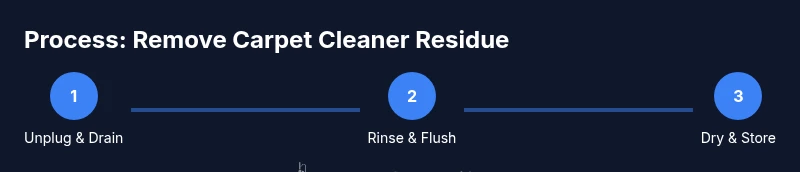
To get rid of carpet cleaner residues, start by unplugging the machine and emptying the solution tank. Rinse the tank with clean water, then flush the system by running fresh water through the brushes, hoses, and nozzle until clear. Wipe exterior surfaces dry and dispose of any remaining concentrate per label instructions. For spills, blot, then clean with mild detergent and water.
Understanding Carpet Cleaners and Residue
Carpet cleaners come in various forms, including liquid solutions, encapsulating powders, and detergent concentrates. When used incorrectly or in excess, these products can leave sticky residues that attract dirt and can cause re-soiling if not addressed promptly. The challenge with residue is not only the visible film but also odors and potential buildup in brushes and hoses. According to Vacuum Cleaner Guide analysis, choosing the right cleaner ratio and ensuring thorough rinsing are two of the most important steps in preventing stubborn residues. If you’re asking how to get rid of carpet cleaner, the answer starts with a clear plan: remove the product from the system, thoroughly rinse every pathway, and avoid leaving damp surfaces that can trap dirt. This approach minimizes post-use sticking and makes the next cleaning cycle more effective.
When and why residue becomes a problem
Residue can dull fiber colors, make carpets feel sticky, and reduce suction efficiency for future cleanings. Leftover cleaner can also react with soil, creating a film that is difficult to remove. Homeowners should be mindful of their carpet material and the cleaner’s pH, and always perform a small test patch before widespread application. Vacuum Cleaner Guide emphasizes dilution and proper nozzle care as foundational practices to reduce buildup.
How to identify residue and odors
Look for a shiny film on carpet fibers, increased dirt pickup after cleaning, or a persistent chemical odor that doesn’t dissipate within a few hours. A simple test is to wipe a small, inconspicuous area with a damp cloth; if color lifts slowly or residue remains, you’re seeing cleaner-related film. Residue often traps more dust, so see extra debris after vacuuming. The presence of a strong or lingering scent may indicate incomplete rinsing and the need for additional water flushes.
Immediate safety steps before cleanup
Before beginning cleanup, unplug the cleaner, and remove the water tank if possible so you’re not handling a powered device. Ventilate the area by opening windows or using a fan. Wear gloves to protect your hands from cleaners and detergents. Do not mix different cleaners or attempt to neutralize cleaners with household chemicals. Keeping kids and pets away during cleanup minimizes exposure to chemicals and slippery surfaces.
Step-by-step spill cleanup on carpets
- Blot the spill with a clean microfiber cloth to absorb excess liquid; avoid rubbing, which can push the cleaner deeper into fibers. 2) If the cleaner is still wet, dilute with plain water and blot again to reduce concentration. 3) Use a mild detergent solution on the area if staining or residue persists, then rinse with clean water and blot dry. 4) Allow the area to air-dry or use a fan to speed drying; damp carpet is a magnet for dirt.
Tip: Work from the outside edge of the spill toward the center to prevent spreading. For large spills, use a wet vac or carpet extractor to remove liquid effectively.
Cleaning the carpet after using carpet cleaner
After flushing the cleaner, consider a neutral rinse with clean water to remove any remaining chemical traces. If your carpet has a high traffic area, repeating a light rinse can prevent sticky residues from forming. For sensitive fabrics or dye-prone carpets, test water temperature and pH on a hidden area first. Drying thoroughly is essential to prevent secondary mold or odor issues. Vacuum the carpet once completely dry to restore pile and remove any dislodged particles.
Cleaning the carpet cleaner machine itself
Rinse the solution tank and hoses with warm water to remove cleaner residues. Clean the brushes and nozzle area with a soft brush to remove dried solution and hair. Wipe the exterior with a damp cloth and dry completely before storage. If your model has a filter, rinse or replace it according to the manufacturer’s instructions. Regular maintenance reduces future residue and extends the machine’s life.
Disposal of leftover chemical and wastewater
Never pour concentrated cleaners into sinks or storm drains without checking local guidelines. Dilute small amounts with plenty of water before disposal, and only according to the product label. Collect wastewater from rinsing in a container and dispose of it in accordance with local hazardous waste rules. In many places, household cleaners can be disposed of with regular trash after dilution, but always verify with local authorities. Vacuum Cleaner Guide recommends treating the product like any household chemical and following label directions closely.
Preventive strategies to minimize residue
Use the recommended dilution ratios and dispense only as much cleaner as you need for the load size. Pre-test cleaners on a hidden area to avoid dye migration or fiber damage. Regularly clean the machine’s nozzle, brushes, and filters to prevent buildup. Store cleaners in a cool, dry place away from children. By maintaining a routine cleaning schedule for your machine, you’ll minimize residue and improve future cleaning performance.
Storage and safe handling of carpet cleaners
Store carpet cleaners in their original containers with lids tightly closed. Keep them upright to prevent leaks, and store away from direct sunlight and heat sources. Label containers clearly and keep them out of reach of children and pets. If you travel with a portable cleaner, rinse and dry all parts before packing to prevent leaks. Safe storage protects your family and helps keep cleaning supplies effective for longer.
Tools & Materials
- Gloves(Protect hands from chemicals)
- Microfiber towels(For blotting and drying)
- Bucket or large container(For rinsing fluids)
- Mild detergent or dish soap(For gentle cleaning on spills)
- Clean water(Rinse and flush lines)
- Soft brush or sponge(Agitate without damaging fibers)
- Trash bags or disposal container(Dispose of used towels and residues)
- Vacuum or carpet extractor (optional)(If available, helps remove liquid and dirty water)
Steps
Estimated time: 45-60 minutes
- 1
Unplug and drain
Power off the machine and unplug it from the wall. Remove the solution tank and drain any remaining liquid into a suitable container. Return the tank to the cleaner and prepare to rinse.
Tip: Always unplug before handling to avoid electrical shock. - 2
Rinse and flush
Rinse the solution tank with clean water, then attach it back and run plain water through the system to flush residual cleaner from hoses and nozzles. Stop when the water flowing out is clear.
Tip: Keep the unit upright during flushing to prevent spills. - 3
Wipe exterior and dry
Wipe all exterior surfaces with a damp cloth and dry with a clean towel. This reduces slip hazards and removes any splashes that could attract dirt later.
Tip: Drying quickly helps prevent mold or mildew growth inside the housing. - 4
Address spills on carpet
Blot spills with microfiber towels, then apply a mild detergent solution and rinse with clean water. Blot again and allow to air-dry or use a fan to speed drying.
Tip: Work from edges toward the center to contain the spill spread. - 5
Use extractor if needed
If you have a carpet extractor, use it to remove excess moisture after rinsing. This helps ensure faster drying and reduced residue.
Tip: Avoid over-wetting the carpet; excessive moisture slows drying and encourages mold. - 6
Dry and store
Ensure the carpet and machine parts are completely dry before storage. Reassemble components and store in a cool, dry place away from children and pets.
Tip: Storing with all parts dry prevents rust and odor buildup.
FAQ
Is it safe to flush carpet cleaner down the sink?
Flushing small, diluted amounts is generally discouraged unless the product label allows it. Always check local disposal guidelines or contact the manufacturer for proper disposal methods. When in doubt, use a container to collect wastewater and follow local hazardous waste rules.
Check your cleaner’s label and local disposal rules before flushing down the sink; when uncertain, collect waste and dispose of it according to guidelines.
How can I tell if residue is still on my carpet after cleaning?
Signs include a sticky feel, increased dirt pickup, visible film, and persistent odor. Perform a small patch test and consider a light rinse or extract to remove remaining residue.
Look for stickiness, film, and odors; test a small area, then rinse or extract if needed.
Can I use vinegar to deodorize carpet after using carpet cleaner?
Vinegar can help with odors in some cases, but it may interact with certain cleaners. Always test compatibility first and rinse thoroughly after any vinegar treatment.
You can try a small vinegar test, but rinse well afterwards and avoid mixing with other cleaners.
What should I do if I spilled cleaner on wood or upholstery?
Blot the spill immediately, then use the appropriate cleaner for the surface. Avoid saturating the material; dry promptly and ventilate. If staining occurs, follow manufacturer guidance for those surfaces.
Blot, then clean with the right product for the surface and dry quickly.
How should I store carpet cleaners to prevent future residue?
Store in a cool, dry place with lids tightly closed. Keep away from kids and pets, and wipe any spills before storing to prevent chemical exposure and odor.
Store clean and sealed, away from kids; wipe spills before putting away.
Watch Video
The Essentials
- Identify and address residue promptly to prevent re-soiling
- Flush and rinse all systems to remove cleaner traces
- Disposal and storage follow label directions and local guidelines
- Regular maintenance minimizes future residue and odors