How to Get Carpet Cleaner Smell Out: A Practical Home Guide
Discover practical, proven steps to remove carpet cleaner odors from rugs and stairs. This guide covers DIY remedies, safe cleaners, drying tips, and odor prevention for a fresher home.


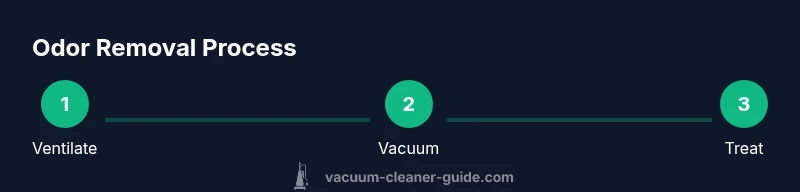
To get carpet cleaner smell out, start with thorough airing and vacuuming to remove lingering residues. Then treat the carpet with a mild solution (white vinegar diluted 1:4 with water) or a baking soda sprinkle, letting it sit before blotting and rinsing. For stubborn odors, use an enzyme-based cleaner designed for pet stains, followed by drying with fans or a dehumidifier. Always test a hidden area first.
Understanding Why Carpet Cleaner Odors Persist
Carpet cleaners often leave behind volatile compounds that cling to fibers and cushion, especially in high-traffic areas and rooms with poor airflow. If you're wondering how to get carpet cleaner smell out, start by recognizing where odors come from: residual cleaners, wet pockets in the carpet, and trapped moisture that fosters musty notes. According to Vacuum Cleaner Guide, persistence is more common on thicker pile carpets and in rooms with limited ventilation. The key is to move fast: air out the space, remove wet spots, and begin with neutral steps before introducing stronger cleansers. In this section we’ll map how odors form, how to assess your carpet safely, and how to structure a plan that minimizes damage to color and texture. You’ll learn to differentiate between a temporary whiff from a cleaning session and a lasting scent that requires deeper treatment.
- Odors originate from residue and trapped moisture. - Ventilation and quick dry-out reduce odor carryover. - Always start with safer, DIY approaches before heavier cleaners.
Quick Wins: Immediate Deodorizing Methods
Ventilate the space by opening windows and running fans for at least 30–60 minutes. Vacuum thoroughly to remove surface residues and dry particles. If you detect lingering odor, sprinkle baking soda evenly over the carpet and leave it for 15–60 minutes before vacuuming again. For a deeper neutralization, mix a mild solution of white vinegar and water (1:4) in a spray bottle and mist the carpet lightly from top to bottom. The vinegar scent dissipates as it dries, taking many cleaner odors with it. Airing and light spraying are fast, low-cost steps that work well in most homes.
- Ventilate first: odor molecules require airflow to escape. - Baking soda bonds with odor particles; vacuum afterward. - Vinegar is a natural neutralizer, but use sparingly and test first.
Safety and Colorfastness: Testing Before You Treat
Before applying any solution widely, perform a patch test on an inconspicuous area to ensure colorfastness and fabric safety. Dampen a white cloth with your chosen solution and blot a small, hidden area. If color transfers or the fabric shows color changes, stop and switch to a milder approach. This step is crucial for nylon, polyester, and wool blends, where aggressive cleaners can cause fading or texture damage. If the patch test passes, proceed with confidence. When in doubt, consult product instructions or a manufacturer’s care guide.
- Always patch-test cleaners first. - Test on hidden areas to avoid visible damage. - Some fibers react differently—verify compatibility.
DIY Cleaning Solutions: Vinegar, Baking Soda, and Enzymes
A classic, safe method uses a vinegar-and-water solution in a spray bottle. Lightly mist the carpet, then blot with a clean cloth to lift residues. Follow with baking soda for ongoing odor adsorption. For organic odors (like food or pets), an enzymatic cleaner designed for carpets can break down odor-causing compounds more effectively than baking soda alone. Always allow plenty of time for the carpet to dry after treatment and re-ventilate.
- Vinegar (1:4 with water) is a versatile neutralizer. - Baking soda absorbs moisture and odors. - Enzymatic cleaners target organic odors and work best on fresh stains.
Drying Strategy: Ventilation, Heat, and Time
Odor removal hinges on thorough drying. After treatment, keep fans running and maintain good air circulation. If possible, use a dehumidifier to reduce moisture in the room, accelerating evaporation. Avoid heat sources like hairdryers or heaters directly on the carpet, which can set odors or damage fibers. Plan for several hours of drying time; for thick piles or dense backing, you may need most of a day. Check that the carpet is completely dry before resuming normal use to prevent musty smells from returning.
- Dehumidifiers speed up drying significantly. - Avoid direct heat on carpet fibers. - Ensure no damp pockets remain under padding.
Odor-Specific Solutions: Pet Odors, Coffee, and Grease Odors
Pet odors often respond well to enzymatic cleaners that break down urine and fecal residues. For coffee, tobacco, or grease smells, a combination of baking soda and a mild enzymatic cleaner can be effective. In all cases, begin with a patch test and apply in small sections to avoid strain on the carpet. After treatment, re-test the area by sniffing from 12 inches away after the carpet has fully dried. If the odor persists, repeat the treatment or escalate to professional products.
- Enzymatic cleaners are particularly effective on organic residues. - Work in small sections to avoid over-wetting. - Allow adequate drying to determine final odor status.
When DIY Isn’t Enough: Professional Help and Enzyme Detergents
If odors persist after multiple DIY attempts, consider a professional cleaning service. They can access equipment like hot water extraction systems and odor-neutralizing solutions that aren’t readily available to consumers. For persistent smells, enzyme-based detergents formulated for deep-cleaning carpets can help, but verify compatibility with your carpet type first. Remember, strong cleaners can void warranties if misused, so follow label directions precisely and seek professional guidance when uncertain.
- Pros use equipment that penetrates padding and backing. - Always verify carpet compatibility with professional products. - If in doubt, hire a certified cleaner for odor removal.
Prevention: Ongoing Carpet Care to Keep Odors Away
Regular maintenance helps prevent odors from returning. Vacuum at least once a week, rotate furniture to promote airflow, and address spills immediately with blotting rather than rubbing. Use area rugs or doormats at entrances to trap moisture and dirt. Consider a carpet protectant that’s compatible with your fiber type, and schedule a professional cleaning every 12–18 months for high-traffic areas or homes with pets. A proactive routine saves time and money while keeping your carpets smelling fresh.
- Frequent vacuuming reduces residue buildup. - Address spills promptly to minimize soaking. - Periodic professional cleanings reduce deep odors.
Quick Reference: Odor Removal At a Glance
- Air and vacuum as a first step. - Use baking soda for absorption, vinegar for neutralization. - Test colorfastness before applying liquids. - Dry thoroughly with fans or a dehumidifier. - Choose enzymatic cleaners for organic smells. - Seek professional help for persistent odors.
Final Verification Steps and Next Actions
After you complete the main odor-removal steps, perform a final sniff test from multiple angles and heights to ensure a consistent result. If any odor remains, consider repeating the most effective step (often a second vinegar spray or enzymatic treatment) and re-drying. Document what worked for future reference and schedule a routine cleaning plan. The goal is a fresh smell without masking odors with strong scents, so allow the carpet to air out fully and avoid heavy fragrances that may irritate sensitive individuals.
Tools & Materials
- Vacuum cleaner(For initial dry cleaning and odor removal.)
- White vinegar(Dilute 1:4 with water.)
- Water(Tap water or distilled.)
- Spray bottle(For applying vinegar solution.)
- Baking soda(Sprinkle evenly and let sit.)
- Clean white cloths(For blotting and applying solutions.)
- Enzymatic cleaner (optional)(Use for organic odors or pet urine odors.)
- Fans or dehumidifier(Improve drying time.)
Steps
Estimated time: 2-6 hours total (including drying)
- 1
Ventilate room
Open windows and run ceiling or portable fans to establish airflow before applying liquids. This reduces the concentration of any odors and helps the carpet dry faster after treatment.
Tip: Ventilation is the single most effective way to begin odor removal. - 2
Vacuum thoroughly
Give the carpet a complete pass with the vacuum to remove surface residue and dry particles that can trap odors. Focus on high-traffic zones and areas around spills.
Tip: A clean, dry surface makes subsequent treatments more effective. - 3
Spot clean stains
Treat visible stains with a gentle, carpet-safe cleaner or a mild vinegar solution before applying broader deodorizing methods.
Tip: Targeted treatment prevents odors from spreading during overall cleaning. - 4
Prepare vinegar solution
Mix a solution of white vinegar and water in a 1:4 ratio in a spray bottle for easy application to the carpet fibers.
Tip: Avoid saturating the carpet; use light, even mists. - 5
Apply vinegar solution
Lightly mist the carpet from top to bottom, focusing on areas where odors are strongest, then blot with a clean cloth.
Tip: Over-wetting can prolong drying and may cause mildew. - 6
Let solution dwell
Allow the solution to sit for 10–20 minutes so the vinegar can neutralize odor molecules before blotting.
Tip: Timing helps maximize neutralization without oversaturating. - 7
Blot and rinse
Blot the treated areas with a clean, damp cloth to remove excess liquid, or rinse with a small amount of water if needed, then blot again.
Tip: Remove moisture efficiently to speed up drying. - 8
Sprinkle baking soda
Evenly distribute baking soda over the carpet to absorb residual odors and moisture.
Tip: Let it sit for 15–60 minutes for best absorption. - 9
Dry thoroughly and vacuum again
Let the carpet dry completely with fans running; vacuum to remove baking soda residue once dry.
Tip: Ensure moisture is fully gone before normal use. - 10
Optional enzymatic cleaning
If odors persist, apply an enzymatic cleaner following label directions and allow to dry.
Tip: Enzymes break down organic odor sources more effectively than powders. - 11
Final check and plan
After drying, sniff test from several angles. If odor remains, repeat the most effective step or stage a professional cleaning.
Tip: Consistency in approach prevents reoccurrence and ensures long-lasting freshness.
FAQ
Can I use bleach to remove carpet cleaner smell?
Bleach is not recommended for most carpet fibers and can damage color and texture. Stick to milder cleaners and odor-neutralizing methods unless a manufacturer approves bleach use for your carpet type.
Bleach is usually not advised for carpets; it can cause damage. Use milder odor-neutralizing methods instead.
Will vinegar stain my carpet?
When diluted properly, vinegar is unlikely to stain most carpets. Always patch-test first and avoid saturating areas with too much liquid.
Diluted vinegar is generally safe, but patch-test first to be sure.
How long does it take for the carpet to dry after odor treatments?
Drying times vary with carpet type and room conditions but expect several hours; using fans and dehumidifiers can shorten this window.
It usually takes a few hours to dry, depending on your room and carpet type.
Can I prevent odors from returning?
Yes. Regular vacuuming, quick handling of spills, and periodic deep cleans help prevent odor buildup over time.
Regular upkeep keeps odors from returning.
What if the odor persists after DIY methods?
If odors persist after multiple attempts, consider professional cleaning or specialized enzymatic products designed for carpets.
Persisting odors may need a professional or stronger cleaner.
Are there carpet types that odor differently?
Yes, fiber type (nylon, polyester, wool) affects how odors are absorbed and cleaned. Always tailor your approach to the carpet fiber.
Different fibers react differently to cleaners; check fiber care guides.
Watch Video
The Essentials
- Ventilate early to jump-start odor removal
- Use safe, tested cleaners and patch-test first
- Dry thoroughly to prevent odor rebound
- Enzymatic cleaners are effective for organic odors
- Repeat treatment if odors persist but avoid over-wetting