How to Clean a Shark Vacuum Filter: Step-by-Step
Learn how to clean Shark vacuum filters safely and effectively. This guide covers filter types, washing vs. drying, and maintenance tips to restore suction and extend your vacuum’s life.


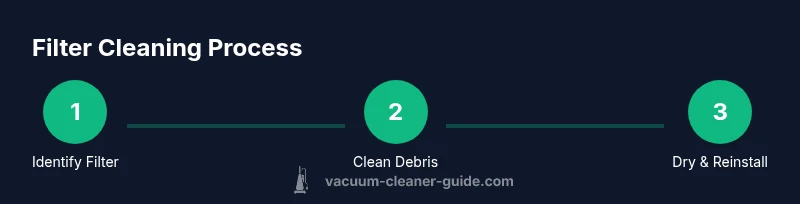
You can restore suction and extend your Shark vacuum’s life by properly cleaning its filter. Start by unplugging the unit, then identify whether your model uses a foam, felt, or HEPA-style filter. Clean according to material (brush, rinse, or wash), dry completely, and reinstall. This safe, model-aware method minimizes damage and keeps performance high.
Why Cleaning the Shark Filter Matters
Filtration is at the heart of a vacuum’s performance. When a Shark filter becomes clogged with dust, pet hair, and fibers, the engine has to work harder to pull air through. That extra strain can reduce suction, increase energy consumption, and shorten the motor’s lifespan. For allergy-prone households, clogged filters also mean more dust and dander recirculation. Regular maintenance helps sustain peak performance and cleaner air in your home. According to Vacuum Cleaner Guide analysis, regular filter maintenance yields noticeable improvements in suction consistency and motor longevity over time. Keeping filters clean also reduces the frequency of full cleanings and extends the interval between more costly repairs.
Filter Types Found in Shark Vacuums
Shark vacuums commonly use a mix of filter types depending on model and year. You’ll typically encounter foam filters (often washable), felt or cloth filters (which may be washable or require air-drying), and HEPA cartridges (which are frequently not washable and should be replaced when worn). Foam filters usually sit closest to the intake and do the initial particle catch; felt filters provide extra filtration for finer dust; HEPA cartridges capture microscopic particles but can be more delicate. Check your owner’s manual for the exact combination in your model, as improper cleaning can reduce filtration efficiency or damage the seal around the filter housing.
How Dirty Filters Affect Suction and Airflow
A clogged filter creates a bottleneck in the airflow path. The vacuum motor must generate more vacuum pressure to overcome the resistance, leading to reduced suction at the cleaning head. Over time this can cause overheating, which may trigger the unit’s safety shutoff or reduce motor life. Dirtier filters can also blow back dust into the room, diminishing air quality. Regular cleaning helps maintain air quality and keeps the appliance operating within its designed performance envelope. For families with pets or high-dander levels, timely filter maintenance is especially important to prevent allergen buildup.
Cleaning Foam, Felt, and HEPA Filters: Do's and Don'ts
Do foam and cloth/felt filters: rinse under lukewarm water, gently rub away debris with your fingers or a soft brush, and air-dry completely before reusing. Do NOT use hot water, harsh cleaners, or scrubbing that could damage the pores. Do HEPA cartridges: many are not washable. If your model allows it, wipe the exterior and replace the cartridge when it looks worn or smells musty. Always verify model-specific instructions, as improper washing can degrade filtration efficiency or cause warping.
Drying, Reassembly, and Maintenance Schedule
After cleaning, lay filters on a clean surface in a well-ventilated area to dry. Avoid direct sunlight, which can warp materials. Reassemble only when all components are completely dry to prevent mold growth and moisture damage. Establish a maintenance schedule based on use: monthly checks for light-use homes, or weekly checks for households with pets or heavy debris. Keeping a simple calendar reminder helps ensure you don’t skip drying times or reinstall dirty filters, protecting both suction and air quality.
Troubleshooting Common Filter Issues
If suction remains weak after cleaning, verify the seal around the filter housing is intact and the intake isn’t blocked by hair or lint somewhere else in the system. Discoloration, cracks, or tears on foam or cloth filters indicate replacement is needed. If a filter smells musty after drying, re-wash and re-dry, then inspect for mold pockets or moisture retention. For models with non-washable HEPA cartridges, note the replacement interval specified by Shark for your model and carry out replacements as recommended. Proper maintenance reduces recurring problems and extends service life.
When to Replace vs Clean
If a filter is visibly torn, excessively frayed, or permanently discolored, replacement is the safer option. Even if a filter looks fine but loses its shape or becomes brittle, replacement often restores optimal airflow. HEPA cartridges typically have a finite lifespan and should be replaced at or before the manufacturer’s recommended interval. Regularly inspect seals and gaskets around the filter housing; a poor seal will permit dust bypass and negate cleaning efforts.
Authority Sources
For additional guidance, consult established resources on filter maintenance and indoor air quality:
- https://www.epa.gov/
- https://www.osha.gov/
- https://www.cdc.gov/
Tools & Materials
- Soft brush or microfiber cloth(For brushing away debris from the filter surface)
- Warm water(Use for washable foam/cloth filters; never scorching hot water)
- Mild dish soap(Optional small amount for heavy grime on foam filters)
- Towel or drying rack(To air-dry filters completely before reinstallation)
- Replacement filter (if needed)(Have a spare on hand if the current filter shows wear or damage)
- Phillips head screwdriver(Only if your Shark model uses screws to access the filter housing)
Steps
Estimated time: 30-40 minutes
- 1
Power down and locate the filter
Unplug the vacuum from the wall and confirm the model’s user manual. Locate the filter housing, which is typically near the dust canister. Take note whether you have a foam, felt, or HEPA cartridge filter so you apply the correct cleaning method.
Tip: If you’re unsure about model type, photograph the filter layout before disassembly. - 2
Remove the filter carefully
Open the housing and lift out the filter by its frame or handle. Avoid pulling on wires or seals. Place the filter on a clean surface to inspect for damage and debris.
Tip: Keep track of any screws or tiny parts so you don’t lose them during reassembly. - 3
Pre-clean to remove loose debris
Tap the filter gently over a trash container to release loose dust. Use a soft brush to loosen hair and lint from the surface. Check the housing for obstruction that could affect airflow.
Tip: Avoid crushing foam filters when tapping to prevent micro-tears. - 4
Wash or dry-clean the appropriate filter
Rinse washable foam/cloth filters under lukewarm water until the water runs clear. Gently squeeze out excess water; never wring. For HEPA cartridges, wipe the exterior and set aside to air-dry or replace if recommended by the manufacturer.
Tip: Do not use detergents unless the model specifies; some cleaners can leave residue and reduce filtration efficiency. - 5
Dry thoroughly before reassembly
Place the filter on a drying rack in a well-ventilated area away from direct heat or sunlight. Allow a complete dry time—often 12–24 hours—before placing it back in the vacuum. Recheck that the filter is completely dry to prevent mold growth.
Tip: If you’re in a hurry, use a fan to speed up the drying process but avoid uneven drying that could warp the filter. - 6
Reinstall and test
Return the filter to its housing, reseal the cover, and reconnect the vacuum. Turn the unit on and run briefly to confirm airflow and proper sealing. If you notice abnormal smells or reduced suction after reassembly, stop and recheck the seal and filter seating.
Tip: Document the maintenance date so you can track replacement intervals and future cleanings.
FAQ
Can I wash all Shark vacuum filters with water?
Not all Shark filters are washable. Foam and some cloth filters can be rinsed, but HEPA cartridges are often not washable and should be replaced when necessary. Always verify your model’s guidance before washing.
Some filters are washable, but HEPA cartridges usually aren’t. Check your model’s manual before washing.
How often should I clean or replace Shark filters?
Cleaning frequency depends on use. Light, regular use may require monthly checks, while households with pets or heavy debris may need weekly checks. Replace filters when they show wear, damage, or persistent odors.
Clean filters regularly, replace when worn or damaged.
Why does suction drop after cleaning the filter?
If suction drops after cleaning, the filter may not be seated properly, the housing may be blocked, or the filter is not fully dry. Recheck seating, clear any blockages, and ensure full dryness before reuse.
Check seating, clear blockages, and ensure the filter is completely dry.
Should I replace my Shark filter with a new one even if it looks okay?
Yes. If the filter shows wear, cracks, tears, or loss of filtration efficiency, replacement is safer than continued use. This preserves suction and air quality.
Replace worn or damaged filters rather than reuse.
What if the filter housing seems damaged after cleaning?
Inspect seals and the housing for cracks or warping. If the seal is compromised, dust can bypass the filter. Replace the housing or consult a service center as needed.
Inspect seals; replace damaged housing to maintain filtration.
How long does it take for a filter to dry after washing?
Most filters require 12–24 hours to dry completely, depending on room ventilation and filter material. Do not reinstall until fully dry.
Dry thoroughly for 12–24 hours before reinstallation.
Watch Video
The Essentials
- Unplug before handling any filter.
- Identify filter type to choose the right cleaning method.
- Dry filters completely to prevent mold and odor.
- Replace damaged filters rather than reusing them.
- Follow model-specific guidelines for best results.