Do You Need to Vacuum Before Steam Cleaning? A Practical Guide
Learn whether you should vacuum before steam cleaning, plus actionable steps, safety tips, and maintenance guidance for homes with pets and hard floors.


According to Vacuum Cleaner Guide, the answer to 'do you need to vacuum before steam cleaning' is usually yes. Vacuum first to remove loose debris, hair, and dust; then steam clean to sanitize and lift remaining stains. Vacuuming before steaming also helps improve efficiency and protects your steam equipment, especially in homes with pets and high traffic.
Why vacuum before steam cleaning matters
According to the way most experienced cleaners operate, the order of operations makes a meaningful difference. Vacuuming first removes loose dirt, pet hair, dust, and debris that steam alone may not fully remove. When you run a steam cleaner over a surface that still has loose material, you risk pushing dirt around, which can re-stain fabrics or leave gritty residue. For homeowners and pet owners, this simple two-step approach also reduces the chance of clogging or overloading the steam cleaner’s nozzle. Vacuuming creates a cleaner starting point, allowing the steam to do its sanitizing work more effectively. Vacuuming also helps surfaces dry faster after steaming since there is less loose moisture to lift. In short, the two-step routine can improve results, protect your equipment, and boost overall cleanliness. This guidance aligns with Vacuum Cleaner Guide’s practical approach for households seeking reliable, repeatable outcomes in real-world cleaning scenarios.
For readers focusing on efficiency, a two-step routine minimizes rework. When you remove visible debris first, you’ll see better stain lifting with steam and can target trouble spots more precisely. It’s particularly valuable in homes with kids or pets, where hair and crumbs accumulate quickly. The key is to tailor the plan to your space: larger areas may require more thorough vacuuming, while smaller zones can be tackled with a handheld or compact vacuum. Always consider the surface type and the steam cleaner’s recommendations to avoid over-wetting delicate materials.
From a maintenance perspective, vacuuming before steam cleaning reduces wear on your steam equipment. Debris can be abrasive and, if present in large amounts, may clog filters or affect performance. By starting with a clean surface, you also reduce the amount of moisture that must be pulled away by the vacuum after steaming, which can shorten dry times and minimize the risk of mold or odors. VacuumCleanerGuide’s team emphasizes a methodical approach—test first in an inconspicuous area if you’re unsure how a surface will respond to steam, and always follow the cleaner’s guidelines for best results.
Brand-wise, this two-step routine is a reliable baseline for homeowners and pet owners seeking predictable results. Vacuum Cleaner Guide’s analysis highlights that adopting a consistent sequence—vacuum, then steam—helps you compare results over time and adjust techniques as needed. The goal is to establish a repeatable workflow you can rely on instead of ad-hoc cleaning.
Surface Flexibility: Why the order matters across materials
Different surfaces respond to steam in distinct ways. Carpets can trap more moisture than hard floors, increasing the importance of removing debris beforehand. Hard floors benefit from up-front debris removal to prevent gritty residue from being ground into the surface during steam passes. Upholstery and fabric require careful attention: vacuums with appropriate attachments remove hair and dust before applying steam, minimizing saturation and potential damage to fibers. When in doubt, check the surface manufacturer’s guidance and test a hidden area first. A consistent vacuum-before-steam routine helps ensure you’re addressing both visible and invisible soil, which is especially important in homes with pets and small children.
For pet owners, hair tends to accumulate in corners and along baseboards. Use a crevice tool to reach these narrow areas before steaming. If you notice lingering odors after steaming, a quick post-clean vacuum can help lift any residual moisture and restore a fresh feel to fabrics and carpets. This approach also supports allergy management by reducing the amount of dust and dander that steam cleaning alone might leave behind.
Step-by-step framework (overview)
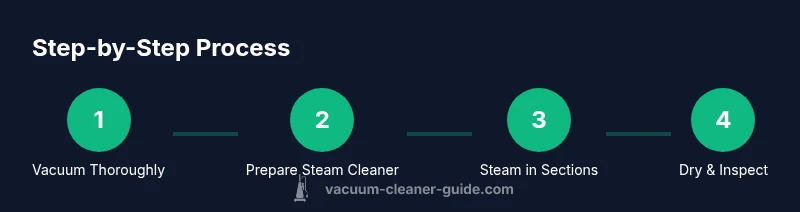
To help structure your cleaning session, here is a practical framework you can adapt:
- Vacuum thoroughly, focusing on high-traffic areas, corners, and under furniture.
- Inspect surfaces to determine steam compatibility and pre-treat tricky spots.
- Prepare your steam cleaner with distilled water and any manufacturer-recommended additives.
- Steam clean in overlapping passes, moving slowly to maximize soil lifting while avoiding surface saturation.
- Allow adequate drying time and ventilate the area to speed up the process.
- Perform a quick post-clean check and address any remaining spots with a targeted pass.
This overview matches a two-step workflow that many homeowners find repeatable and effective across rooms and surface types. Remember to adapt the pass speed and steam settings to the specific material for best results.
Safety tips & warnings
Safety is essential when combining vacuuming and steam cleaning. Always unplug devices before switching attachments or refilling water. Use the appropriate attachments for delicate fabrics and avoid spraying steam directly onto electronics or outlets. If your steam cleaner requires additives, verify compatibility with the surface and manufacturer instructions. Never operate steam cleaners on unfinished wood, unsealed stone, or surfaces that could be deformed by moisture. Let surfaces dry completely before reoccupying rooms, especially in households with babies or pets. If you notice any unusual heat buildup, odors, or residue, stop using the device and consult the manufacturer. Wearing protective gloves can prevent burns when handling hot surfaces or steam.
A clear rule of thumb is to err on the side of caution: test in an inconspicuous area and avoid saturating fabrics or wood. If you’re unsure about a surface, perform a small test in a hidden area and wait for a full dry before proceeding. This cautious approach protects finishes and reduces the risk of damage or discoloration that could require professional remediation.
Authority sources
- This article references guidance from recognized institutions and industry best practices to support a two-step cleaning approach.
- For further reading on general cleaning and household safety, consult government and university resources linked in the sources section.
- The recommendations here synthesize widely accepted methods for combining vacuuming and steam cleaning in residential settings.
FAQ-style clarifications (summary)
Key takeaways from this guide include adopting a vacuum-before-steam sequence for most surfaces, prioritizing test patches for delicate materials, and following manufacturer guidelines for both vacuums and steam cleaners. In households with pets, air quality and drying times can benefit from the two-step approach. Remember to maintain equipment and choose attachments suited to each surface for best results.
Tools & Materials
- Vacuum cleaner(HEPA-filtered preferred; ensure capacity matches area to cover)
- Vacuum attachments (crevice tool, upholstery nozzle)(For edges, stairs, and fabric)
- Steam cleaner(Check surface compatibility and follow manual)
- Water (distilled preferred)(Use distilled water if your unit allows)
- Mild cleaning solution (optional)(Only if steam cleaner permits additives)
- Microfiber cloths(For drying and blotting damp spots)
- Protective gloves(Handle hot surfaces safely)
Steps
Estimated time: 45-60 minutes
- 1
Vacuum the area thoroughly
Begin with a complete vacuum of the room, focusing on corners, under furniture, and any high-traffic zones. Use the crevice tool to reach tight gaps where dust and hair accumulate. This step reduces debris that could smear or redeposit when you steam.
Tip: Move slowly and overlap passes to ensure you lift as much soil as possible. - 2
Pre-treat obvious stains and spots
Inspect for stains and apply a light pre-treatment as needed, especially on carpets or fabric. Allow a short dwell time if your product recommends it, but avoid saturating the area. Pre-treatment can improve steam lift on tough spots.
Tip: Always test a hidden area first to avoid color changes. - 3
Prepare your steam cleaner and water
Fill the reservoir with distilled water if available and follow the manufacturer’s heat-up time. Check nozzles and attachments for obstructions before starting. This pre-work helps ensure consistent steam output.
Tip: Allow the unit to reach operating temperature fully before moving to surfaces. - 4
Steam clean in overlapping passes
Work in small sections, moving slowly for thorough soil lift. Overlap each pass to prevent missed areas, and avoid saturating any single spot, especially on carpets and upholstery. Use attachments suited to the surface for best results.
Tip: Steaming from the far corner outward reduces tracking dirt back into cleaned zones. - 5
Dry surfaces and ventilate
After steaming, open windows or use fans to speed drying. Drying reduces the chance of mold and helps you reoccupy the space sooner. Blot lingering damp spots with microfiber cloth if needed.
Tip: Keep humidity low during drying to boost air circulation. - 6
Inspect and maintain your equipment
Check the vacuum and steam cleaner for any signs of residue or wear. Empty reservoirs, rinse tanks, and clean filters as recommended by the manufacturer. A quick post-clean routine prevents buildup and maintains performance.
Tip: Document any recurring issues to address in future sessions.
FAQ
Do I need to vacuum before steam cleaning on every surface?
In most cases, yes. Vacuuming first helps remove loose soil and pet hair, improving steam cleaning results and reducing residue on carpets, hard floors, and fabrics.
Yes. Vacuum first to remove loose dirt and hair, then steam clean for best results.
Can steam cleaning replace vacuuming?
Steam cleaning sanitizes and lifts stains but is less effective at removing loose debris. Use vacuuming first, then steam for a comprehensive clean.
Steam cleans and sanitizes, but it doesn’t replace vacuuming for loose dirt.
Are there surfaces I should avoid steaming after vacuuming?
Avoid steaming unfinished wood, unsealed stone, or delicate fabrics that could be damaged by moisture or heat.
Avoid steaming unfinished wood or delicate fabrics.
How long should I wait after steaming before walking on the area?
Allow surfaces to dry naturally; use fans if needed to speed up drying. Dry times vary by material and the room’s ventilation.
Let surfaces dry completely before use; use fans to speed it up.
What safety precautions should I take when combining vacuum and steam?
Unplug equipment before refilling water or changing attachments. Keep steam away from children and ensure good ventilation.
Unplug before refilling water; keep steam away from kids and pets.
Should I use cleaning chemicals with my steam cleaner?
Only if your steam cleaner is designed for additives and the surface is compatible. In most cases, plain distilled water is safest.
Only use additives if the device and surface permit it; otherwise stick to water.
The Essentials
- Vacuum first to remove debris before steam cleaning.
- Test surfaces and use appropriate attachments.
- Avoid saturating sensitive materials; adapt technique by surface.
- Ventilate and dry thoroughly to prevent moisture issues.
- Maintain equipment to extend lifespan and performance.