Carpet cleaner before or after vacuum: the definitive cleaning order
Discover the proven cleaning order for carpet care: vacuum first, then pretreat and deep-clean with a carpet cleaner. Learn why the sequence matters, how to tailor it to your carpet, and practical steps to dry quickly and keep fibers vibrant.


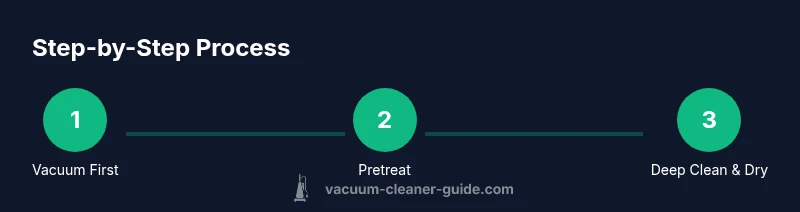
You’ll achieve cleaner carpets by vacuuming first, then applying pretreatment for stains, and finally deep-cleaning with a carpet cleaner. This order removes loose dirt, prevents re-deposit, and minimizes drying times. For most households, starting with a thorough vacuum and finishing with a rinse yields the best results and longer carpet life.
Understanding the Cleaning Order: carpet cleaner before or after vacuum
If you're wondering whether to use a carpet cleaner before or after vacuuming, you're not alone. According to Vacuum Cleaner Guide, many homeowners find that the most effective approach starts with a thorough vacuum to remove loose soil, pet hair, and debris. This initial pass reduces the amount of moisture needed later and prevents dirt from being redistributed during cleaning. The phrase carpet cleaner before or after vacuum often appears in questions from new carpet owners, but the best practice is not a single rule—it's a sequence tailored to soil level, fiber type, and equipment. The Vacuum Cleaner Guide team emphasizes that the order matters because each step prepares the carpet for the next, maximizing soil extraction and minimizing wear.
Why vacuum first sets the stage for successful carpet cleaning
Vacuuming first removes the bulk of the soil, dust, and hair that would otherwise get pushed deeper into fibers during cleaning. A clean, dry surface also helps you see remaining stains more clearly, so you can target trouble spots without over-wetting. For many households, this pre-vacuum step reduces the amount of cleaning solution needed and shortens overall processing time. When homeowners skip vacuuming, they often notice soggy patches and longer drying times because soils are re-suspended during the carpet cleaner cycle. The goal is a calmer, more predictable cleaning session with less fiber wear.
Brand-backed considerations: fiber type and equipment impact
Different carpet fibers respond differently to moisture and agitation. Nylon, polyester, and olefin respond well to standard hot-water extraction, while wool requires gentler handling and specific detergents. The order you use also interacts with your equipment: rotating brushes, suction power, and heat settings can alter soil removal efficiency. The Vacuum Cleaner Guide team recommends checking manufacturer guidelines for your carpet and equipment before starting, to tailor the vacuum-and-clean cycle to the product specifications and avoid edge wear or dye bleed.
Practical takeaway: build a tailored sequence
A practical approach combines a thorough vacuum, targeted pretreatment for stains, and then a controlled deep-clean pass. If a high-traffic area shows visible soil after vacuuming, apply a stain pretreatment before running the carpet cleaner, then re-vacuum lightly to remove loosened residues. By coordinating pretreatment with cleaning, you maximize soil extraction and minimize the risk of over-wetting. In short, the carpet cleaner before or after vacuum decision should be rooted in soil load, carpet type, and equipment capabilities, not guesswork.
How to adapt for special scenarios: pets, high-traffic, and stain-heavy rooms
Pet owners often see more hair and organic stains, which respond to a careful pretreatment strategy followed by efficient cleaning cycles. In rooms with dense traffic or visible dirt, a pre-vacuum followed by spot pretreatment and a final deep-clean pass yields the best balance of appearance and drying time. For synthetic fibers, you may use a stronger cleaning solution and longer dwell time, but for delicate fibers like wool, stick to milder formulations and shorter dwell times. Adapting the sequence to your space helps protect fibers and extend carpet life.
Final reminder: drying time and patience
Even with the best sequence, drying takes time. Open windows, use fans, and avoid walking on damp carpet until it dries to the touch. Proper sequencing reduces the need for multiple cleanings and speeds up the overall dry time because the carpet starts in a cleaner state with less embedded soil to remove in subsequent passes.
Tools & Materials
- Vacuum cleaner(HEPA-equipped preferred for pet dander; ensure bagless or bagged are in good condition)
- Carpet cleaning machine or portable extractor(Wet-cleaning device with adjustable suction; use according to manufacturer guidelines)
- Carpet cleaning solution(Use formula appropriate for carpet fiber; avoid bleach on color-sensitive carpets)
- Stain pretreatment spray(Spot-treat heavy stains before deep-clean pass)
- Microfiber cloths(For blotting and spot work; absorbent and lint-free)
- Water and measuring cup(Prepare correct dilution as per product directions)
- Timer or clock(Helps manage dwell times and avoid over-wetting)
- Floor fans or dehumidifier(Speeds up drying and reduces musty odors)
- Gloves(Protect hands from cleaners and dirty water)
Steps
Estimated time: 2-3 hours
- 1
Assess carpet and room
Inspect fiber type, stain locations, and wear patterns. Read manufacturer guidelines for your carpet and equipment. This helps determine dilution, dwell times, and the cleaning intensity you should apply.
Tip: Note any colorfast areas; test cleaners on a small, inconspicuous spot first. - 2
Vacuum thoroughly
Perform a deep vacuum with attention to edges and under furniture. Use slow, overlapping passes to lift loose dirt and pet hair that would otherwise clog the cleaner or re-deposit during cleaning.
Tip: Vacuum twice, from different directions, to lift deeply embedded soils. - 3
Pretreat stains
Apply stain pretreatment to spots and high-traffic areas. Allow the product to dwell per label instructions, then blot with a microfiber cloth to lift soils before extraction.
Tip: Avoid scrubbing aggressively; it can spread stains and fray fibers. - 4
Prepare cleaning solution
Mix concentrate with water as directed. Use a clean reservoir and avoid mixing incompatible products that could produce excessive suds or harsh residues.
Tip: Do a small test in an inconspicuous area to confirm colorfastness. - 5
Deep-clean with carpet extractor
Run the cleaner in slow, overlapping strokes. Use even pressure and adjust suction to pull moisture without leaving puddles. Over-wetting reduces drying efficiency and can lead to odor.
Tip: Work in carpet direction segments to prevent over-saturation in one area. - 6
Rinse or extract remaining moisture
If your tool has a rinse option, perform a light pass to remove residue. Ensure the carpet surface remains slightly damp to avoid stiff fibers when drying.
Tip: Don’t rely on blotting alone; extraction helps remove embedded residues. - 7
Ventilate and dry
Open windows, run fans, and maintain airflow. If possible, use a dehumidifier to speed up drying and prevent mold growth in damp basements or closets.
Tip: Avoid walking on the carpet until it’s fully dry to prevent new soil tracking. - 8
Final checks and maintenance
Re-inspect for missed spots and consider a light vacuum after drying to lift any settled fibers. Clean machine parts and empty dirty water to keep equipment ready for next use.
Tip: Document what worked well for future cleanings and adjust your sequence as needed.
FAQ
Should I vacuum before or after pretreating stains?
Begin with a thorough vacuum to remove loose debris, then apply pretreatment to spots. This minimizes soil penetration during pretreatment and reduces the need for heavy scrubbing.
Vacuum first to remove loose dirt, then treat stains. It makes pretreatment more effective.
How long does carpet cleaning take to dry?
Drying times vary with humidity, carpet type, and ventilation. Typically expect several hours; use fans and open windows to speed up the process.
Drying usually takes several hours; improve airflow to shorten it.
Is it okay to use water-only with a carpet cleaner?
Water-only cleaning can work for light soils, but most carpets benefit from a cleaning solution formulated for the fiber. Follow manufacturer guidance to avoid residue buildup.
Water alone can work on light soils, but follow your cleaner's guidance.
Can I deep clean high-pile or wool carpets the same way?
Wool and high-pile carpets require gentler cleaning and appropriate detergents. Check care labels and use milder formulas with shorter dwell times to prevent damage.
Wool and high-pile carpets need gentler care—read labels and adjust.
How often should I deep clean carpets in a home with pets?
For homes with pets, aim for deep cleaning 1-2 times per year, with spot-cleaning as needed. Regular vacuuming helps maintain results between deep cleans.
Pet owners should deep clean 1-2 times yearly and vacuum often.
What if I notice color bleed after cleaning?
Stop cleaning, rinse lightly, and test a hidden area. If color transfer continues, consult a professional or replace the affected area to prevent further damage.
If colors run, stop and test; consider professional help if it continues.
Watch Video
The Essentials
- Vacuum first to remove loose dirt and hair
- Tailor pretreatment to stains and fiber type
- Moderate moisture during cleaning to speed drying
- Ventilate well to reduce downtime
- Test products on small areas before full use