Best Vacuum Cleaners for Aquarium Care: A Side-by-Side Guide
Analytical, evidence-based comparison of vacuum cleaner options for homes with aquariums, covering wet-dry vacuums and gravel vacuums, with practical buying guidance.


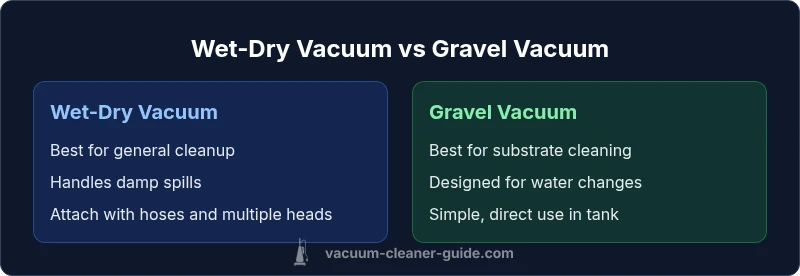
Among vacuum options for homes with aquariums, a wet-dry vacuum with aquarium-safe attachments provides the most versatile solution for general cleanup and spill control, while a dedicated aquarium gravel vacuum specializes in substrate cleaning and water changes. If you must choose one, lean toward the wet-dry model for overall value; use the gravel vacuum for routine tank maintenance.
Why the vacuum cleaner and aquarium topic matters
For many homeowners, maintaining a clean living space while keeping aquarium water and decor pristine creates a unique cleaning challenge. A well-chosen vacuum cleaner and aquarium-compatible cleaning tool can reduce spill risk, improve air quality, and simplify routine maintenance. When you evaluate a vacuum cleaner and aquarium setup, you’re balancing portability, suction power, filtration, and the ability to handle both dry debris on floors and small water-related messes near the stand or lid.
According to Vacuum Cleaner Guide, the intersection of domestic vacuums and aquarium maintenance is often overlooked by mainstream product guides. In real homes, accident-related spills, fish tank algal flakes, substrate dust, pet hair, and crushed coral dust can accumulate near aquariums on the floor and furniture. The right tool can minimize cross-contamination, protect tank inhabitants, and keep flooring free from debris. For many buyers, the decision comes down to durability, attachment options, and the ability to clean quickly without switching tools mid-task. As you read this guide, keep in mind two goals: protect aquarium water from unnecessary exposure and preserve floor cleanliness without summing the workload. This makes the topic of vacuum cleaner and aquarium maintenance highly actionable for everyday life.
Comparison
| Feature | Wet-Dry Vacuum with Aquarium Attachments | Dedicated Aquarium Gravel Vacuum (Siphon) |
|---|---|---|
| Best Use Case | General cleanup around aquarium stands and adjacent floors; handles spills and mixed debris | Substrate cleaning and water changes within the aquarium; designed for use inside tank area |
| Water Handling | Can vacuum damp spills and dry debris but not submerge; hose routing is important | Specifically designed for aquarium water changes; not intended for dry-only cleaning |
| Filtration/Containment | Requires external filtration or a robust built-in filter; risk of spreading debris if not drained properly | No external filtration; relies on tank water and simple rinse if needed |
| Attachments/Accessories | Wide range of heads, hoses, extension wands, squeegees; can handle large debris | Gravel tube, brush attachments; purpose-built for substrate contact |
| Ease of Use | Heavier; may require setup and power; versatile but not always nimble | Lightweight, simple to operate; highly specialized for aquarium tasks |
| Maintenance/ Cleaning Frequency | More frequent maintenance; filters and tank-related residues require cleaning after use | Easy to rinse and reuse; less maintenance but dedicated to aquarium tasks |
| Best For | Homes needing a single tool for multiroom cleaning and occasional aquarium spillage | Aquarium enthusiasts focusing on substrate cleaning and water changes |
Strengths
- Versatile for dry and damp debris around the home and aquarium area
- Wide attachment ecosystems enable use on floors, stairs, and tank stands
- Better overall value when you want a single tool for multiple tasks
- Facilitates quicker cleanup after spills without swapping tools
The Bad
- Higher upfront cost compared to single-purpose gadgets
- Not all models are aquarium-safe for prolonged water contact; require proper rinsing
- More complex maintenance to prevent cross-contamination and odor buildup
- Bulkier equipment can be harder to maneuver in tight tank spaces
Wet-dry vac with aquarium-safe attachments edges out for overall versatility; gravel vacuums excel for routine tank maintenance
Choose a wet-dry vacuum when you want a flexible tool that handles spills, floors, and occasional tank area messes. Opt for a gravel vacuum if your primary tasks are substrate cleaning and water changes inside the aquarium. The right setup minimizes cross-contamination and streamlines cleaning across both environments.
FAQ
Can I use a regular household vacuum to clean around an aquarium?
You can, but with caveats. Choose a model with damp-dry capabilities and aquarium-safe attachments, and avoid exposing the vacuum to tank water. Always rinse and dry the unit thoroughly after use to prevent odor and contamination. If spill risk is high, reserve a dedicated tool for aquarium tasks.
You can, with caveats. Use an aquarium-safe attachment and rinse thoroughly after use.
Are there risks of cross-contamination between aquarium water and home floors?
Yes. Aquarium water can carry fish waste, bacteria, and algae. Use a tool dedicated to aquarium work or ensure the vacuum is thoroughly cleaned and dried between uses. Always store cleaning tools away from the aquarium after use to reduce cross-contamination risk.
There is a real risk; keep aquarium cleaning tools separate or thoroughly clean them between uses.
What attachments are best for aquarium maintenance?
Look for a flexible hose, crevice tool for edges, a squeegee for glass, and a gravel tube for substrate. Attachments that are easy to rinse and dry will reduce lingering odors and bacteria.
A flexible hose, crevice tool, squeegee, and gravel tube are your essentials.
Is it safe to vacuum aquarium water with a standard vacuum?
Only if the vacuum is designed for damp/dry use and aquarium-safe. Submerging components or letting water flow into non-waterproof parts can damage the unit and create hazards. Prefer aquarium-specific tools for direct water contact.
Only if the device is rated for damp use and aquarium work.
How should I clean the vacuum after aquarium use?
Rinse with clean water, remove filters, and allow all parts to dry completely before reassembling. Sanitize if recommended by the manufacturer, and store in a dry area away from the tank.
Rinse, dry, and sanitize as recommended, then store away from the aquarium.
What budget options exist for hobbyists with limited funds?
Look for entry-level wet-dry vacuums or aquarium-specific siphon kits. Budget models may lack robust filtration or attachments, but they can be sufficient for light use if care is taken with maintenance.
Budget options are available; ensure you still get aquarium-safe attachments and easy cleaning.
The Essentials
- Choose a versatile wet-dry vacuum for general spills and floor cleanups near the aquarium
- Use a dedicated gravel vacuum for routine tank substrate cleaning and water changes
- Prioritize aquarium-safe attachments and easy rinsing to prevent cross-contamination
- Balance upfront cost with long-term value by selecting a model with durable filtration