Do You Need to Vacuum Before Using a Carpet Cleaner? A Practical Guide
Discover whether you should vacuum before carpet cleaning, how to prep efficiently, and tips to maximize extraction, protect fibers, and speed up drying. A practical guide from Vacuum Cleaner Guide for homeowners and pet owners.


Yes. In most cases, you should vacuum before using a carpet cleaner. A thorough pre-vacuum removes loose dirt, hair, and grit that can clog the machine, reduce suction, or push debris deeper into fibers. Pre-vacuuming also helps reveal stains and prevents rapid wear on cleaning pads. If you’re short on time, start with high-traffic areas, then treat remaining spots after cleaning.
Why Thorough Pre-Vacuum Improves Carpet Cleaning
Carpet cleaning starts well before the machine touches the fibers. The first and most impactful step is removing surface soil with a vacuum. By lifting loose dirt, sand, pet hair, and grit, you prevent these particles from becoming embedded deeper into the pile during the wet cleaning stage. According to Vacuum Cleaner Guide, pre-vacuuming produces noticeably better results in most homes, particularly in high-traffic areas where soil pockets build up. The logic is simple: dry soil is easier to lift and doesn’t complicate the cleaning chemistry you introduce with your extractor. When you skip this step, you may see immediate stain lift, but embedded soil remains, leading to quicker resoiling and a dull finish over time. For multiroom setups, start with the largest, dirtiest areas and work toward cleaner spaces, moving with steady, overlapping passes. Use the vacuum’s tool attachment to reach edges, corners, and under furniture so no soil is left behind.
-
Practical benefits: clearer stain visibility, more efficient extraction, and more consistent drying in treated zones.
-
Practical caveats: dense pile carpets or plush fibers may require multiple passes; ensure the vacuum brushroll is clean and not fighting tangles.
How to Assess Carpet Type and Select Cleaning Solutions
Different fibers respond differently to moisture and cleaners. Nylon and polyester usually tolerate standard cleaning solutions; wool and natural fibers require gentler handling and sometimes specialized cleaners. Before you start, look for a care label or the manufacturer’s cleaning recommendations. If the label is unclear, test on a hidden area first and use a neutral pH solution diluted according to the product instructions. In any event, avoid hot water or aggressive solvents that can shrink, fade, or damage the fibers. Consider the carpet dye and backing; some carpets have latex backing that may swell if over-wetted. If you’re unsure, consult a local carpet retailer or extension service (see Authority Sources). In addition, ensure the cleaning solution you choose is compatible with your carpet cleaning machine’s reservoir and with any stain removers you plan to use. Always follow the manufacturer’s dilution ratios and never mix cleaners.
- Tip: Always test a hidden area first to prevent color bleed or damage.
- Note: Wool and silk or delicate blends may require a specialty cleaner and lower moisture.
- Brand mention: According to Vacuum Cleaner Guide, choosing compatible solutions improves extraction efficiency and fiber safety.
Pre-Treating Stains and High-Traffic Areas
Stains behave differently after a dry soil layer is removed. Apply a small amount of a stain-treatment solution to each spot, working from the outside in to prevent spreading. Let the product sit for the time recommended on the label, usually a few minutes, then blot with a clean microfiber cloth. For high-traffic zones, you may pre-treat with a targeted enzyme or surfactant product to loosen oils and soils. After applying, test a hidden area to ensure colorfastness, and be mindful of carpet color when choosing cleaners. Do not saturate; the goal is to lift soils, not flood the backing. If you feel you’re dealing with a stubborn or set-in stain, consider repeating the pretreatment step and then proceeding with extraction. Always have towels on hand for quick blotting and to absorb excess moisture.
Vacuuming Effectively Before Cleaning
Even after you vacuum, there are best practices to maximize soil removal. Work in a methodical pattern: fronts to backs or perimeters to center, depending on room shape. Make multiple passes over high-traffic zones, but avoid over-brushing or pressing too hard on delicate fibers. Set the vacuum to the appropriate height so the brushroll engages fiber-safe agitation without scattering debris. Empty the canister or replace bags as needed to maintain peak suction. Inspect the vacuum head’s nozzle and filters; clogged filters reduce lift and can spread soil. If you notice a recent increase in debris, pause to clean the attachments and ensure they're clean. The goal is to reduce surface soil to a level where the carpet cleaner can extract moisture and contaminants efficiently; this reduces wear on the machine and can shorten drying times.
Operating a Carpet Cleaning Machine: Settings, Solution, and Extraction
Fill your extractor’s clean-water tank with warm water and the recommended cleaning solution for your carpet type, following the product’s dilution chart. Use a test spot to check colorfastness before a full run. During cleaning, use slow, overlapping passes with consistent pressure; avoid aggressive scrubbing, which can loosen fibers. Make a first pass with a low-suction extraction, then a second pass to pick up remaining moisture. If your machine has a brush, run it at a gentle speed; let the brushes work the soil rather than slam it. Pay attention to the machine’s heat output and stop if you smell burning or see unusual sounds. After cleaning, extract as much moisture as possible and keep the nozzle close to the carpet surface, not hovering above it. The goal is to lift dirt without saturating the backing.
Drying and Post-Care
Open windows, turn on fans, and use dehumidifiers to accelerate drying. Place a few strategically positioned floor fans or hangers to promote airflow across the cleaned area. Avoid walking on the carpet until it’s fully dry to reduce new soil transfer. If you steam-cleaned a large area, consider a second, lighter pass after 12–24 hours once the carpet has regained structure. Vacuum again after the carpet dries to remove any dirt or lint that might have settled on the surface. If you have pets or kids, restrict access for at least 6 hours and ensure the carpet has adequately dried before resuming normal use.
Authority sources and references
To support best practices, consult credible resources:
- EPA Indoor Air Quality: https://www.epa.gov/iaq
- PSU Extension: https://extension.psu.edu
- OSHA Safety Guidelines: https://www.osha.gov
Tools & Materials
- Vacuum cleaner (upright or canister)(Ensure bag/canister is empty and filters are clean before starting.)
- Carpet cleaning machine (extractor)(Check water tank, dirty water tank, and solution reservoir are clean and compatible with your cleaning solution.)
- Stain pretreatment spray or solution(Choose neutral pH or enzyme-based product; test on hidden area first.)
- Microfiber cloths(For blotting and drying; use clean, lint-free cloths.)
- Soft brush attachment(For pre-treating stubborn stains and gentle agitation.)
- Gloves(Optional protection when handling cleaners.)
Steps
Estimated time: 60-90 minutes
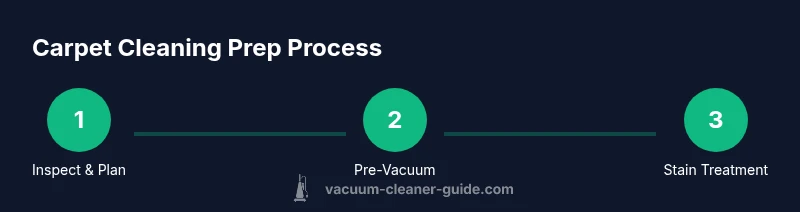
- 1
Survey area and plan cleaning path
Inspect rooms for stains, high-traffic zones, delicate fibers, and furniture layout. Create a plan that minimizes re-wetting and allows for even coverage with overlapping passes. Note outlets and ensure proper ventilation.
Tip: Map a simple grid path and move furniture to create a clear route. - 2
Vacuum thoroughly to remove surface soil
Run the vacuum in multiple directions to capture dirt from different angles. Use attachments to reach edges, stairs, and under furniture. Check the vacuum bag or bin and empty as needed so suction remains strong.
Tip: Clean the vacuum head and filters between rooms to maintain performance. - 3
Pretreat stains and high-traffic spots
Apply stain-treatment product to spots and blot gently from the outside in. Let sit per label, then blot again with clean microfiber. Avoid saturating areas; this prepares soils for easier extraction.
Tip: Work from outer edges toward the center to prevent spreading. - 4
Prepare cleaner and machine
Fill the extractor with warm water and the recommended solution, following the product’s dilution chart. Do a small test spot to confirm colorfastness before proceeding.
Tip: Keep a timer for pretreatment dwell times to avoid over-wetting. - 5
Run extraction passes with overlap
Use slow, overlapping passes to lift soils and moisture without over-wetting. Run a first pass with moderate suction, then a second pass to maximize extraction.
Tip: If your machine has a brush, let it assist rather than force soil out. - 6
Rinse, re-extract, and monitor moisture
If your cleaner requires a rinse stage, perform it with clean water. Re-extract or perform an extra pass on particularly damp areas to reduce surface moisture.
Tip: Check the carpet for dampness by touching the fibers with a clean hand—you’re aiming for damp, not soaking. - 7
Drying and final check
Ventilate the area with fans and open windows when possible. Avoid walking on the carpet until completely dry, then inspect for any remaining spots and re-clean if needed.
Tip: Use a dehumidifier for faster drying in humid spaces.
FAQ
Do I always need to vacuum before cleaning my carpet?
In most cases, yes. Vacuuming first removes loose soil and hair, which helps the extractor work more effectively and reduces the chance of re-soiling. However, follow specific carpet and cleaner guidelines when available.
Yes. Vacuuming helps the cleaner lift dirt and reduces re-soiling.
How long does it take for carpet to dry after cleaning?
Drying time depends on humidity, airflow, and carpet type, but typically ranges from 4 to 12 hours. Use fans and dehumidifiers to speed it up and avoid walking on the damp carpet.
Most carpets dry in several hours with good ventilation.
Can I vacuum again immediately after cleaning?
Yes, once the carpet is dry or nearly dry, a light vacuum helps lift fibers and remove any residual particles. Avoid heavy agitation on freshly cleaned carpet.
Once dry, vacuum to refresh fibers.
What should I do if I have wool carpet?
Wool requires gentler cleaners and lower moisture. Always use pH-neutral products and test areas first. Avoid hot water and aggressive solvents to prevent damage.
Wool needs gentler cleaners and careful moisture control.
Is it better to pretreat stains before or after vacuuming?
Pretreat stains before deep cleaning to loosen soils, but ensure surface soil is removed first via vacuuming for best results.
Pretreat stains before cleaning, after removing surface soil.
Should I use hot water with carpet cleaners?
Generally avoid hot water beyond manufacturer recommendations, as excessive heat can set stains or damage fibers. Use warm water unless the product specifies otherwise.
Stick to warm water unless the cleaner says otherwise.
Watch Video
The Essentials
- Vacuum first to remove surface soil.
- Test cleaners on a hidden area before full use.
- Use slow, overlapping passes and avoid over-wetting.
- Ventilate and dry thoroughly to prevent mold.
- Inspect results and re-clean if needed.