What to Do If Your Dog Licks Carpet Cleaner: A Practical Guide
Learn immediate steps, safety tips, and prevention strategies if your dog licks carpet cleaner. This guide from Vacuum Cleaner Guide covers first aid, vet contact, and safe storage practices.


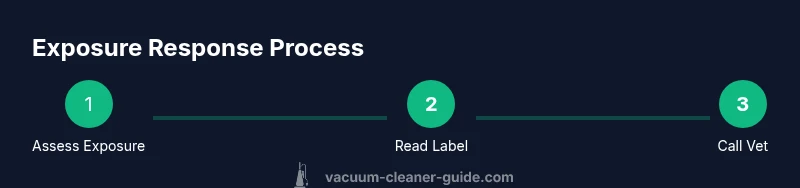
If your dog licks carpet cleaner, act quickly and calmly. Immediately remove the source, confine access to the area, and offer small amounts of fresh water. Check the product label for active ingredients and warnings. Contact your veterinarian or poison control if ingestion is suspected, and monitor for drooling, vomiting, coughing, or breathing changes. Seek emergency care for seizures or collapse.
What carpet cleaners are and why dogs respond to them
Carpet cleaners are formulated with detergents, solvents, fragrances, and other additives that help lift stains and odors from fabrics. Dogs explore the world with their mouths, and a lick or two can introduce chemicals into their system quickly. Even small amounts can irritate the mouth, throat, or stomach, and certain ingredients may be more harmful than others. According to Vacuum Cleaner Guide, the risk level depends on the product’s concentration, the dog’s size, and how much was ingested. For households with curious pets, it’s essential to treat carpet cleaners with the same caution you would give a household chemical. The aim is to minimize exposure and act swiftly when a licking incident occurs. Understanding the basics helps you respond calmly and protect your dog more effectively in the future.
What to Do Immediately After the Incident
Time is critical after a dog licks carpet cleaner. First, remove the dog from the area and secure the cleaning product to prevent further access. If the dog has a chance to lick again, it could worsen exposure. Next, check the product label for ingredients and toxicity warnings. If the product is water-based and low in concentration, you may offer a small amount of fresh water to help dilute any residue, but don’t force the dog to drink. Wipe the dog’s mouth gently with a damp cloth to remove any residue from fur or lips. Finally, contact your veterinarian or a poison control center for personalized guidance based on the product and your dog’s weight and health.
Reading the Label: What Ingredients Matter
The product label is your first source of information. Look for the active ingredients and their concentrations, as well as any warnings about ingestion, eye contact, or skin irritation. Some carpet cleaners include solvents that can irritate or be toxic if swallowed, even in small amounts. The label may also provide first aid steps or directions for rinsing and neutralization. If you’re unsure about a chemical, assume it’s potentially harmful and seek professional advice. Vacuum Cleaner Guide analysis shows many incidents arise when labels are not read carefully, so take a moment to review the label before taking any action. Keep the container handy to share information with your veterinary team.
When to Contact a Professional Right Away
If your dog has ingested carpet cleaner and shows signs such as drooling, vomiting, coughing, or trouble breathing, contact a veterinarian immediately. For suspected ingestion, you can also call a poison control center for 24/7 guidance. If the dog experiences seizures, collapse, or appears lethargic and unresponsive, seek emergency veterinary care without delay. Do not delay medical consultation, especially if your dog is small, very young, elderly, or has underlying health conditions. Time and precise information about the product help veterinarians triage and treat effectively.
First Aid Steps You Can Take Now
If ingestion is confirmed or strongly suspected, rinse the dog’s mouth with small amounts of cool water, but do not force water down if the dog refuses. Use a damp cloth or gauze to wipe around the lips and tongue and remove any visible residue. Do not induce vomiting unless advised by a professional. Collect product packaging, label details, and a note of the time of exposure to share with your vet. If the dog drinks water, offer small sips periodically to aid comfort, but avoid giving large amounts at once.
Monitoring for Adverse Effects and When They Typically Appear
After an exposure, symptoms may appear within minutes or several hours, depending on the chemical. Common signs include drooling, gagging, vomiting, diarrhea, lethargy, coughing, or difficulty breathing. In some cases, pets may become jittery or irritable, and unusual skin or eye irritation might occur if contact was direct. Monitor your dog closely for the next 24-48 hours, noting any changes in appetite, behavior, urination, or stool. If symptoms worsen or persist, contact your veterinarian again for guidance.
Safe Storage and Pet-Proofing Your Home
Prevention starts with secure storage. Keep carpet cleaners and other chemicals in locked cabinets or high, inaccessible shelves. Use childproof latches on cabinets and never leave products unattended on counters or the floor. When cleaning, consider using pet-safe alternatives or performing cleaning when the dog is outside or in another room with a barrier. Wipe up spills immediately, and ensure ventilation to avoid inhalation of fumes. A dedicated cleaning zone helps reduce accidental exposures.
Safer Cleaning Practices Around Pets
Choose pet-friendly products when possible and avoid concentrated formulas near active pets. Dilute cleaners as directed and never mix products, which can create dangerous chemical reactions. Use protective gear like gloves and ensure that pets are kept away from the area during cleaning and drying times. If you have a carpet cleaner with a heated cleaning mode, allow the carpet to dry completely before letting the dog back into the room. These practices help reduce risk and improve overall home safety.
What to Tell Your Veterinarian When You Visit
Provide the exact product name, active ingredients, and the amount ingested if known. Include the dog’s weight, age, and any preexisting health conditions. Share the symptom timeline, when exposure occurred, and whether any initial first aid steps were taken. The more precise the information, the better the veterinarian can tailor treatment, including receiving instructions on observation, potential antidotes, or supportive care.
Quick-Check Prevention Plan for Future Cleanups
Create a household carpet-cleaning plan that prioritizes pet safety. Store products securely, keep a log of product ingredients, and establish a cleaning schedule that minimizes pet exposure. Consider pet-safe products and alternate cleaning times when your dog is out for a walk or in another room. Review safety signs regularly and re-train family members on proper storage and handling. This proactive approach reduces risk dramatically.
Understanding Exposure Duration and When Effects Show Up
Chemical exposure can have delayed onset depending on the ingredient. In some cases, symptoms may appear within the first 30 minutes, while others may take several hours to manifest. If any symptoms occur, contact a veterinarian promptly, even if the dog seems fine at first. Early assessment and treatment reduce the chance of complication and support faster recovery.
Final Prevention Best Practices for Pet Safety
Lock all cleaners away, keep the dog on a leash during cleaning tasks if necessary, and create a habit of cleaning up spills immediately. Teach children and visitors to never leave chemical containers within reach. Maintain a pet-first mindset for all household cleaners and revisit safety protocols every few months to adapt to new products or routines.
Tools & Materials
- Carpet cleaner bottle or product label(Keep the exact product name and active ingredients from the label)
- Fresh water and a shallow dish(Offer small amounts to help dilute residue; do not force drinking)
- Cloth or wipes for mouth and paws(Gently remove residue from fur and lips)
- Phone or smartphone to contact vet/poison control(Have emergency numbers ready)
- Disposable gloves (optional)(Protects you while handling the dog or product residue)
- Notebook or phone notes(Log time of exposure and observed symptoms)
Steps
Estimated time: 15-30 minutes for initial response; ongoing monitoring 24-48 hours
- 1
Remove dog from the area
Gently guide your dog away from the carpet cleaner and the spill. Keep them calm and still to prevent additional exposure. A leash can help manage movement and reduce stress.
Tip: Move slowly to avoid startling the dog; use a calm voice. - 2
Read the product label
Locate the product name, ingredients, and any toxicity warnings on the label. This information guides what to tell the vet and how urgent the response should be.
Tip: Have the label handy when you call for advice. - 3
Offer water and wipe the mouth
Provide small sips of cool water and wipe away any visible residue from lips and mouth. This helps reduce irritation and makes it easier to assess symptoms later.
Tip: Do not force large amounts of water if the dog resists. - 4
Call a vet or poison control
Explain the product, amount ingested (if known), and your dog’s weight and health status. Follow their guidance for the next steps.
Tip: If the dog collapses or has trouble breathing, seek emergency care immediately. - 5
Monitor for symptoms
Watch for drooling, vomiting, coughing, diarrhea, or breathing changes for the next 24-48 hours. Note onset time and progression of symptoms.
Tip: Record changes with time stamps to share with the vet. - 6
Prepare information for the vet
Bring the product packaging, label details, and a list of symptoms and timelines. Include your dog’s age, weight, and any health conditions.
Tip: Having organized information speeds up diagnosis and treatment. - 7
Improve storage and accessibility
Relocate cleaners to inaccessible cabinets with childproof locks. Establish a cleaning zone that your dog cannot access during and after cleaning tasks.
Tip: Use labeled containers and never decant cleaners into other bottles. - 8
Follow vet instructions and recheck
Adhere to prescribed treatment and schedule any follow-up visits or tests. Return if symptoms persist or worsen.
Tip: Ask about warning signs that require immediate care.
FAQ
What should I do first if I catch my dog licking carpet cleaner?
Remove the dog from the area, check the label, and contact a vet or poison control for guidance. Offer water and wipe the mouth if possible. Do not delay seeking medical advice if symptoms appear.
First, remove your dog from the area and check the product label. Call your vet for guidance and monitor for symptoms; offer water if safe and wipe the mouth.
Can carpet cleaners poison dogs?
Many carpet cleaners contain ingredients that can irritate or be toxic if swallowed. The risk depends on the concentration, the product, and the dog’s size. Always treat ingestion as potentially serious and seek professional advice promptly.
Yes, many carpet cleaners can be harmful if swallowed. The risk varies, so contact a vet if ingestion is suspected.
Should I try to rinse the dog's mouth myself?
Rinse with small amounts of clean water if the dog tolerates it, but avoid forcing water. Do not induce vomiting unless instructed by a professional. Keep the product packaging handy for reference.
You can rinse with small amounts of water if the dog allows, but don’t force it or induce vomiting unless told to by a vet.
When should I contact a veterinarian?
Contact a veterinarian or poison control if there was ingestion, if the dog shows symptoms, or if you’re unsure about the risks. Immediate care is essential for small or frail dogs.
If ingestion happened or symptoms appear, contact a veterinarian promptly for guidance.
Are there long-term health concerns from carpet cleaner exposure?
Most exposures resolve with prompt care, but some chemicals can cause irritation or more serious effects depending on dose and duration. Follow-up with your veterinarian if symptoms persist.
Most issues resolve with proper care, but persistent symptoms should be checked by a vet.
How can I prevent my dog from licking cleaners in the future?
Store cleaners securely, clean up spills immediately, and consider pet-safe products. Create a cleaning plan that keeps pets away during and after cleaning until floors are dry.
Store cleaners out of reach, clean spills right away, and keep pets away during cleaning.
Watch Video
The Essentials
- Act quickly and calmly to reduce exposure.
- Always read the product label for ingredients and warnings.
- Contact a vet or poison control if ingestion is suspected.
- Secure cleaners to prevent future access.
- Monitor your dog for at least 24-48 hours after exposure.