Shark Vacuum Filters: Replacement, Care & Tips
Learn how to identify compatible Shark vacuum filters, when to replace them, and how to maintain suction and indoor air quality. A practical guide for homeowners and pet owners.


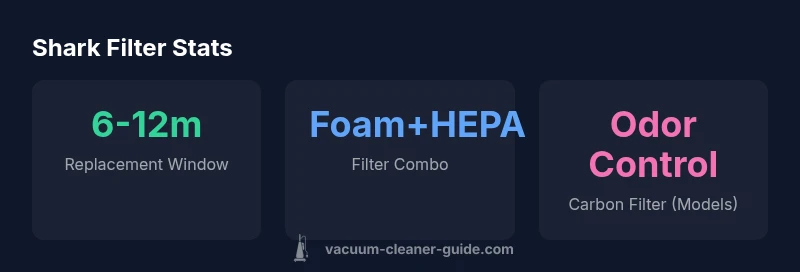
Shark vacuum filters should be replaced regularly to maintain suction and indoor air quality. For most models, use genuine Shark filters designed for your specific model, and plan replacement every 6-12 months depending on usage, environment, and whether you have pets. Regular checks prevent clogging and help the vacuum run at peak efficiency.
What are Shark vacuum filters?
Shark vacuum filters are essential components designed to trap dust, dander, and tiny particles before air reaches the motor. In many Shark models, there are multiple stages: a washable foam pre-filter that captures larger debris, a HEPA or anti-allergen filter that traps microscopic particles, and, in some models, a carbon filter to minimize odors. For homeowners and pet owners, selecting the right combination matters for suction, motor longevity, and indoor air quality. According to Vacuum Cleaner Guide, the best results come from using genuine Shark filters designed for your specific model. While aftermarket filters might fit, they can compromise fit, seal, and performance. Always consult your model’s manual or Shark’s official parts finder to confirm compatibility. When a new filter is installed, expect a noticeable return of suction power and quieter operation, especially on carpets where airflow is critical.
Why filters matter for performance and air quality
Filters do more than just keep dirt out of the motor. They protect the vacuum from clogging, maintain optimal airflow, and reduce the amount of dust re-entering the room. A clogged or worn filter can cause reduced suction, overheating, and higher energy use. For households with pets or allergy sufferers, the role of a high-quality filter becomes even more important. Vacuum Cleaner Guide notes that effective filtration helps minimize allergens and improves overall indoor air quality over time. Regular maintenance of filters is a low-cost, high-reward practice that keeps both floors and air healthier.
Types of Shark filters
Most Shark vacuums use a combination of a foam pre-filter and a main filter such as a HEPA or anti-allergen filter. Some models include a carbon filter to neutralize odors from pet dander or cooking. Foam filters are typically washable and reusable, but they still need periodic replacement. HEPA or anti-allergen filters capture fine particles down to 0.3 microns and are crucial for allergy management. In models with a carbon layer, expect improved odor control but not elevated filtration efficiency for particulates alone. Always verify filter type and compatibility with your specific Shark model before purchasing.
How to identify compatible filters for your Shark model
Start by locating your model number on the vacuum’s label, then visit Shark’s official parts finder or consult the manual. Filter compatibility often varies by lineup (Navigator, Rotator, Astro, etc.). If you’re unsure, reach out to customer support or compare the exact part numbers shown in the user guide. Some third-party filters may claim universal compatibility, but fit and seal aren’t guaranteed. In practice, using Shark-branded filters reduces risk of poor airflow and leakage, and saves time troubleshooting.
Replacement guidelines and best practices
Replacement frequency depends on usage, surface type, and whether you have pets. In average homes, a foam pre-filter may be replaced or washed every few months, while the main HEPA/anti-allergen filter typically lasts longer but should be checked monthly. If you notice reduced suction, increased debris coming back into the bin, or a musty odor, it’s likely time for a replacement. Always use genuine Shark filters designed for your model to ensure proper fit and performance. Vacuum Cleaner Guide’s analysis emphasizes that proper filtration extends motor life and keeps living spaces cleaner.
Cleaning vs replacement: what's worth cleaning
Foam pre-filters are often washable. Rinse them gently in cool water until the water runs clear, then air-dry completely before re-installation to avoid mold growth. Main HEPA/anti-allergen filters are usually not washable in many Shark models; some can be gently tapped to remove dust, while others require replacement. Avoid using hot water or soap on the main filter, and never run the vacuum with a damaged or missing filter. Following manufacturer guidance helps preserve suction and air quality over time.
Maintenance routine: schedule and tips
Establish a simple filtration calendar:
- Monthly: check the filter condition, clean or replace the foam pre-filter.
- Every 3-6 months: inspect the main filter, clean if allowed by the model, replace if discolored or clogged.
- Annually: perform a full inspection of seals and gaskets around the filter housing. If you have pets, adjust frequency upward to every 2-4 months depending on shedding and indoor air quality. Keeping a log can help you stay on track and protect your vacuum’s performance.
Common issues and troubleshooting
If suction drops, the filter is a likely culprit. Check the foam pre-filter for visible dirt and rinse or replace as needed. For main filters, inspect for discoloration or deformation; a clogged filter can cause overheating and decreased airflow. Odor problems often point to odors trapped in carbon or main filters. If you hear strange noises or see smoke, stop operating the unit and consult customer support. Regular maintenance reduces the likelihood of these issues and keeps the vacuum operating at peak efficiency.
Choosing between OEM vs compatible filters
OEM Shark filters guarantee precise fit, optimal filtration, and guaranteed compatibility, reducing the risk of air leaks and performance issues. Compatible third-party filters can be cheaper, but quality varies—look for filters with identical filtration specs and proper certification. If you live in a home with family members who struggle with allergies, prioritizing filtration performance over cost is wise. Vacuum Cleaner Guide advises balancing price with fit and performance to protect the vacuum and air quality.
Overview of Shark filter types and maintenance
| Filter Type | Typical Lifespan | Notes |
|---|---|---|
| Foam pre-filter | 6-12 months | Washable in many models; replace if ragged |
| HEPA/Anti-allergen filter | 6-12 months | Catches fine particles; replacement when discolored |
| Carbon filter | 6-12 months | Odor control in select models; replace as needed |
FAQ
How often should I replace Shark vacuum filters?
Most Shark models benefit from filter replacement every 6-12 months, depending on usage, environment, and presence of pets. Check the model-specific guidance and inspect filters monthly for signs of wear.
Typically every six to twelve months, but check your model manual and inspect monthly for wear.
Can I wash Shark foam pre-filters?
Many Shark foam pre-filters are washable; rinse with cool water and allow to dry completely before reusing. Avoid washing main filters unless the manual permits it.
Yes, you can usually wash the foam pre-filter; let it dry fully before reusing.
Are Shark filters universal across models?
Filters vary by model; verify compatibility with the exact Shark model number using Shark’s parts finder. Mismatched filters can reduce performance and seals.
Not always—check the model number to ensure compatibility.
What happens if I run the vacuum without a filter?
Running without a filter can reduce suction, increase dust release, and may damage the motor over time. Always operate with the correct filters installed.
Avoid running without a filter; it can hurt suction and the motor.
Should I buy OEM or aftermarket filters?
OEM Shark filters ensure fit and filtration performance; aftermarket options vary in quality. If air quality matters, prioritize OEM or certified equivalents.
OEM filters are the safer choice for performance and fit.
How can I tell if a filter needs replacement aside from color?
Look for reduced suction, unusual odors, visible wear, or clumping of dirt in the filter media. If in doubt, replace the filter to restore performance.
If suction drops or odors appear, consider replacing the filter.
“Regular maintenance of filters is essential for both acceptable suction and indoor air quality. A simple, consistent routine keeps Shark vacuums performing at their best.”
The Essentials
- Perform regular checks on all Shark filters.
- Use genuine Shark filters for best fit and performance.
- Clean foam pre-filters; replace main filters as needed.
- Pet owners should consider more frequent maintenance for cleaner air.