How to Work Vacuum Cleaners: A Practical Home Guide
Learn how a vacuum cleaner works, how to operate it safely, and keep it maintained. This comprehensive guide covers suction basics, components, types, setup, troubleshooting, and efficiency for everyday home use.


Learn how to work vacuum cleaners safely and effectively with a practical, step-by-step approach. You’ll understand suction basics, key components, operation types, setup, and maintenance to keep your home clean. This guide also covers safety tips and troubleshooting to prevent common issues. According to Vacuum Cleaner Guide, mastering the basics empowers homeowners to choose the right model, optimize performance, and extend the device’s life.
How a vacuum cleaner actually works
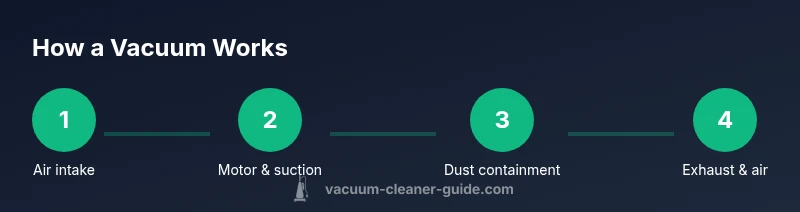
A vacuum cleaner operates by creating suction that moves air and debris from floors into a containment chamber. When you switch on the motor, a high-speed impeller or fan spins, lowering air pressure in the nozzle and pulling air toward the body. As air streams into the intake, particles like dust, hair, and grit are carried along. The path from intake to dustbin can include several stages: a coarse filter or cyclone that traps larger debris, a dust bag or cup that holds the material, and a series of filters (pre-motor, post-motor, or HEPA) to keep tiny particles from re-entering the room. The exhaust is designed to release only clean air back into the space. Understanding this sequence helps you troubleshoot poor suction, maximize efficiency, and operate the device safely. For homeowners and pet owners, recognizing the role of each part makes it easier to diagnose issues without guessing. According to Vacuum Cleaner Guide, mastering the basics empowers homeowners to choose the right model, optimize performance, and extend the device’s life.
Core components and what they do
The most important components work together to achieve suction and containment. The motor powers a fan that creates the suction; the housing directs airflow from the nozzle to the dust collection area. The nozzle and, on many models, the beater bar (brush roll) agitate the surface so dirt becomes airborne and easier to lift. A belt connects the brush roll to the motor, and if the belt wears out, suction drops and performance suffers. The dust cup or bag serves as the primary debris reservoir. Filters in the path—often a pre-motor filter and a post-motor filter or a HEPA filter—trap fine particles before air exits the machine. Some models use cyclones to separate heavy debris before it reaches the bag, maintaining suction as the bag fills. Knowing which parts you interact with during maintenance (filters, belt, brush) helps you plan cleanings and replacements, keeping your vacuum running smoothly.
How different vacuum types operate and choose
Upright vacuums combine suction and brush roll in a single unit, making them convenient for carpeted rooms. Canister vacuums separate the motor and suction head for flexible cleaning and tight corners. Stick vacuums are lighter but often less powerful, ideal for quick pickups and hard floors. Cordless models offer portability but rely on battery life; robotic vacuums automate routine cleaning but may require routine maintenance and map updates. Bagged vacuums tend to hold more dust and are easier to empty, while bagless models reduce ongoing costs but may release dust when emptied. When choosing, consider floor types, pet hair frequency, stair access, and noise tolerance to match your home’s needs.
Preparing to use: setup and safety checks
Before you begin cleaning, ensure the unit is unplugged and the area is clear of cords or obstacles. Check the dustbin or bag, replace or wash filters as needed, and inspect the brush roll for hair tangles or wear. Attach the appropriate nozzle or tool for the task (crevice tool for edges, upholstery tool for furniture, wide floor nozzle for large areas). Make sure the power cord is in good condition and that you have a clear path to move. Safety always comes first: never operate a vacuum with damaged cords, avoid wet floors unless the model is rated for liquids, and unplug before performing any maintenance routine.
Effective cleaning technique: how to move the nozzle
Practice a steady, overlapping motion rather than rushing. Keep the nozzle flat against the floor or carpet, and adjust the height setting to prevent scrubbing or skimming. Let the vacuum do the heavy lifting—don’t press too hard; excess pressure can stall the motor and cause wear. Use the right attachments for edges, corners, stairs, and upholstery, and change attachments as needed to avoid overuse of a single tool. For pet hair, slow back-and-forth passes with a motorized brush can improve pickup, especially on carpets.
Maintenance basics: belts, filters, and bags
Regular maintenance keeps suction strong and prolongs motor life. Inspect and replace belts if they appear cracked or stretched. Clean or replace pre-motor and post-motor filters according to the manufacturer’s schedule; washable filters should be dry before reinstalling. Empty dust bags or canisters when they reach marked capacity, and check for clogs in the hose or wand. If your model supports it, replace worn brushes and belts at least once per year (or sooner with heavy use). Keep attachments clean to avoid transferring dirt back to surfaces.
Troubleshooting common issues
If suction seems weak, start by checking the dustbin or bag, filters, and brush roll for obstructions. A clogged hose or wand can dramatically reduce suction; detach and clear any blockages with a long, flexible tool. Listen for unusual noises that indicate belt wear or motor strain. If the device overheats, turn it off, unplug, and allow it to cool before resuming use. For persistent problems, consult the manual or search manufacturer resources for model-specific guidance.
Energy efficiency, filtration, and pet hair considerations
Choose models with efficient motors and well-sealed housings to maximize runtime per use. High-quality filtration reduces indoor dust and allergens, enhancing air quality for sensitive households. If you frequently vacuum pet hair, consider a motorized brush, stronger suction, and a filter that minimizes hair buildup. For floors with mixed textures, a versatile canister or a robot vacuum with boundary sensors can help you maintain consistent results without excessive manual effort.
Authoritative sources
For safety standards, usage guidelines, and best practices, refer to reputable sources. The following references provide information on electrical safety, indoor air quality, and consumer guidance: https://www.osha.gov/; https://www.energy.gov/eere/buildings/articles/how-vacuum-cleaner-works; https://www.epa.gov/iaq/vacuum-cleaners-and-indoor-air-quality; https://www.berkeley.edu/
Tools & Materials
- Owner's manual for your specific vacuum(Model-specific steps, safety warnings, and service intervals)
- Phillips head screwdriver #2(Used to access belt cover or brush assembly)
- Flathead screwdriver or coin (as alternative)(Access belt or filter covers when needed)
- Soft brush or microfiber cloth(For cleaning brushes, filters, and exterior surfaces)
- Replacement bags or filters(Stock up according to your model and usage)
- Mild dish soap and water(For cleaning tools and attachments)
Steps
Estimated time: 60-75 minutes
- 1
Unplug and inspect
Before touching any internal parts, unplug the vacuum from the power source. Visually inspect the cord for damage and check the dust bin or bag to determine if it needs emptying. This initial check prevents shocks and ensures the machine is ready for safe maintenance.
Tip: Always start with safety: unplug first, then loosen any entangled hair from the brush. - 2
Assess attachments and area
Choose the appropriate nozzle for the task (crevice tool for edges, upholstery tool for furniture, wide floor nozzle for bare floors). Clear clutter from the cleaning area so you can move smoothly and avoid tangling hair in the brush roll.
Tip: Keep a small bag nearby for debris collected during changes of attachments. - 3
Check for blockages
Gently run your hand along the hose, wand, and intake path to check for clogs. If you find a blockage, remove it carefully with a long, flexible tool. Blockages reduce suction and can overheat the motor.
Tip: Never use sharp objects to clear hoses; they can puncture or injure components. - 4
Power on and test suction
Plug in, turn on, and test suction on a small area. Listen for unusual sounds or a noticeable drop in strength. If suction is weak, re-check the bag/bin, filters, and brush.
Tip: Test on a path with similar debris to what you’ll clean for a realistic assessment. - 5
Vacuum technique
Use steady, overlapping passes and adjust height to optimize contact without pressing too hard. For carpets, go against the nap before moving with it; for hard floors, use a lighter touch and longer strokes.
Tip: Let the suction pull the dirt rather than forcing it; this protects brushes and reduces wear. - 6
Maintenance check after use
Turn off and unplug, then empty the dust container or replace the bag if needed. Inspect and clean the filter, wipe the exterior, and check the brush for hair buildup. Reassemble before the next use.
Tip: Cooling down after use helps extend motor life; never reassemble while damp or dirty. - 7
Document maintenance needs
Note any worn parts, such as belts or filters, and schedule replacements. Keep a simple log to track performance and avoid unexpected failures.
Tip: An annual belt check can prevent sudden belt breaks during heavy cleaning.
FAQ
What is the basic principle behind suction in vacuums?
Suction is produced when the motor drives a fast-spinning fan that lowers pressure in the intake. Air and debris are drawn into the dustbin, and filters trap fine particles before air exits. Regular maintenance keeps suction strong.
Suction comes from the motor turning the fan to create a low-pressure area that pulls debris into the vacuum. Regular checks help keep suction strong.
What is the difference between bagged and bagless vacuums?
Bagged vacuums use disposable bags to hold dirt, which can trap more dust but require ongoing bag purchases. Bagless models reuse a bin, which saves money but can release dust when emptied. Choose based on allergy concerns and maintenance preferences.
Bagged vacuums use replaceable bags and often trap more dust. Bagless vacuums save bags but can kick up dust when emptying.
How often should I replace vacuum filters?
Follow the manufacturer’s recommendations, typically every few months for pre- and post-motor filters, or sooner with heavy use or pets. Washable filters should be cleaned and fully dry before reuse.
Most vacuums need filters replaced every few months, and washable ones should be cleaned and completely dry before reinserting.
Can I use a vacuum on wet spills?
Only if the vacuum is rated for wet/dry use. Using a dry vacuum on liquids can cause electrical shock or motor damage. Check the manual before attempting any liquid cleanup.
Only use a vacuum for liquids if it's specifically rated for wet/dry use; otherwise, use appropriate absorbent methods.
Why is suction weak even after cleaning the bag?
Suction can drop due to clogged filters, full dustbin, tangled brush roll, or hose blockages. Inspect these parts in order and clear obstructions before testing suction again.
If suction is weak, check the bag or dustbin, filters, brush, and hoses for clogs and clean as needed.
Do I need to replace belts regularly?
Yes, belts wear out with use and time. Replace cracked or stretched belts to restore brush rotation and suction. Keep a spare belt handy for quick maintenance.
Belts wear out; replace them when they show wear to restore proper brush function.
Watch Video
The Essentials
- Understand the suction path and major components.
- Choose attachments appropriate to surfaces and tasks.
- Regularly clean filters and replace worn belts for peak performance.
- Practice safe maintenance by unplugging first.