How to Use a Vacuum Cleaner Safely: A Homeowner's Guide
Learn practical, step-by-step safety practices for using a vacuum cleaner. This guide covers electrical safety, attachment choice, surface-specific techniques, pet-hair handling, maintenance, and common hazards for homeowners and pet owners.


You will learn to operate a vacuum cleaner safely, including pre-use checks, safe handling of cords, and correct attachment use. Before you start, ensure you read the user manual, unplug when changing attachments, and keep liquids away. This quick guide draws on Vacuum Cleaner Guide's safety research. If you follow the steps, you’ll minimize shock risk and surface damage.
Why Safety Matters When Using a Vacuum Cleaner
Safety is not an afterthought in cleaning. The way you use a vacuum cleaner safely affects not only your health but also the longevity of the machine and the cleanliness of your home. According to Vacuum Cleaner Guide, many routine incidents stem from simple oversights like unplugging midway through a change of attachments or using a tool on a surface it isn’t designed for. The goal is to create a predictable, repeatable routine that reduces risk from electrical faults, moving parts, and exposure to dust. By building a basic safety habit—check the manual, inspect the cord, select the right attachment, and vacuum with controlled, deliberate passes—you minimize accidents, preserve filters, and maintain suction performance over time.
Pre-Use Checks and Setup
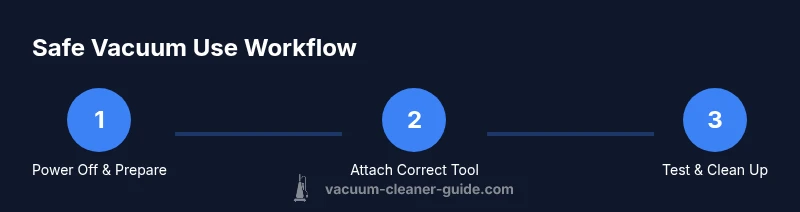
Preparation is the first line of defense. Begin by reading the model-specific instructions and safety warnings in the user manual. Inspect the power cord for any nicks or exposed wires, and ensure the plug and outlet are dry. Attach the correct tool for your task, and remove small objects from the cleaning path to prevent jams. Clear the area of loose cords, clutter, and tripping hazards. If you’re new to a model, practice with a small, unobtrusive patch to confirm you’re comfortable with the weight and maneuverability. Vacuum Cleaner Guide analysis shows that taking a few minutes to set up can reduce misuse and motor strain later on.
Electrical Safety and Cord Management
Electrical safety is non-negotiable. Always unplug the vacuum before changing attachments, clearing jams, or inspecting the brush roll. Keep the vacuum away from water and damp areas unless it is designed for wet use; never use power tools in wet spaces. Use a properly rated extension cord only if your model requires it, and avoid daisy-chaining multiple cords. Store cords neatly and avoid yanking them out of outlets to prevent outlet or plug damage. For homes with kids and pets, consider models with built-in safety switches and automatic shut-off features to minimize accidents.
Choosing the Right Attachment for Each Task
Different surfaces demand different tools. Use a rotating brush or beater bar for textured carpets, a soft brush for delicate fabrics, and a crevice tool for corners and hard-to-reach gaps. Upholstery tools help remove pet hair without grinding it into fabric, while a dusting brush loosens dust on shelves and blinds. If your vacuum offers adjustable suction, set it to the lowest effective level for delicate surfaces and avoid high suction that can damage fibers. Regularly inspect attachments for wear and replace worn components to maintain performance.
Operating Techniques for Different Surfaces
Carpets and rugs respond best to controlled, overlapping passes with a steady pace. For hard floors, use a soft brush or hard-floor setting to avoid scratches, and work in straight lines to minimize fine dust recirculation. Edge cleaning can be improved by angling the nozzle toward baseboards and using the crevice tool for tight gaps. When transitioning between surfaces, reduce speed briefly to prevent debris from scattering. Maintain a consistent posture to protect your back and wrists and take short breaks to prevent fatigue during larger cleaning jobs.
Handling Common Hazards and Pet Hair
Pet hair can quickly wrap around brush rolls and clog hoses. Regularly stop to clear hair using scissors or a detangler tool, and store accessories where pets cannot chew or tangle cords. Hair buildup on the brush reduces suction and can overheat motors over time. Be mindful of loose clothing and long hair, which can be pulled into brush rollers or hoses. If you notice unusual vibrations or reduced suction, pause, unplug, and inspect for blockages or tangled hair.
Maintenance, Cleaning, and Safe Disposal
A safe vacuum is a well-maintained vacuum. After cleaning, unplug the unit and remove the canister or bag in a well-ventilated area. Empty canisters outdoors to minimize dust exposure and wipe down the inside as needed. Clean or replace filters according to the manufacturer’s schedule, and check for blockages in hoses and jets. Let every component dry completely before reassembling. Keeping your vacuum clean reduces allergies, improves suction, and extends the device’s life.
Verdict and Practical Takeaways
The Vacuum Cleaner Guide team emphasizes that safety is a habit, not a one-off check. A quick start routine—unplug before attachments, choose the right tool, test on a small patch, and maintain the machine—delivers predictable results and fewer problems. Consistency in maintenance and mindful operation makes safe vacuuming part of your daily routine, protecting both you and your home.
Tools & Materials
- Vacuum cleaner(Model with user manual; check electrical ratings and surface compatibility)
- User manual(Keep on hand for model-specific cautions and maintenance guidance)
- Attachment set (crevice tool, upholstery tool, dusting brush)(Ensure all parts are present and undamaged)
- Replacement filters(Optional, but helpful for maintaining suction on high-use models)
- Safety gloves(Useful when handling hair, debris, or sharp objects)
- Extension cord(Only if your model requires it; avoid overloading outlets)
- Dust mask(Optional for dusty environments or allergy concerns)
Steps
Estimated time: 25-40 minutes
- 1
Power down and unplug
Before touching any moving parts or attachments, switch the vacuum off and unplug from the outlet. This prevents accidental startup while you adjust tools or clear jams.
Tip: Always unplug first, even if you only plan a quick change of attachment. - 2
Inspect area and outlet
Check the floor for loose objects, cords, and spills. Confirm the outlet and plug are dry and safe before you proceed.
Tip: Clear a clean path to avoid surprising debris gets pulled into the nozzle. - 3
Attach the correct tool
Select the tool that matches your task: crevice for edges, upholstery for fabric, brush for hard surfaces. Ensure a snug connection to prevent gaps in suction.
Tip: Test the attachment by gently tugging to confirm it’s secure. - 4
Set suction and surface
If your model offers adjustable suction, choose the lowest effective setting for the surface you’re cleaning. Higher suction isn’t always better and can damage delicate fibers.
Tip: For delicate fabrics, start at low suction and increase gradually if needed. - 5
Vacuum in controlled passes
Move slowly in straight or slightly diagonal passes, overlapping each stroke. Let the nozzle do the lifting; don’t force it into tight corners at high speed.
Tip: Keep the wand angled slightly toward the surface to maintain contact without digging in. - 6
Pause for tangles and blockages
If you encounter hair or debris matted to the brush or inside the hose, pause and unplug before removing the obstruction. Clear with tools rather than your hands.
Tip: Use scissors or a detangler tool to safely cut away hair from the brush roll. - 7
Tackle stairs and edges safely
Use a slim, lightweight attachment and work with a helper if possible. Keep your body balanced and avoid leaning over the edge.
Tip: Never carry the vacuum by the handle while cleaning stairs; keep your center of gravity stable. - 8
Power down and store
After cleaning, unplug, remove attachments, and store in a dry place. Empty the canister or replace the bag outdoors when needed, and clean filters per the manual.
Tip: Wipe the exterior and brush bar to remove dust buildup before storage.
FAQ
Is it safe to vacuum liquids?
Only if your vacuum is designed for liquids (wet/dry). Do not vacuum liquids with a standard dry vacuum. Always check the manual before attempting liquid cleanup.
Only use a liquid-capable vacuum for spills, and always verify model specs in the manual.
How do I safely clean stairs with a vacuum?
Use a narrow attachment and have a helper if possible. Maintain a stable stance and avoid leaning over the edge while cleaning.
Use a slim attachment and stay balanced; have someone assist if you can.
What maintenance should I perform regularly?
Follow the manufacturer’s maintenance schedule for filters and bags. Clean the brush roll and hoses to prevent clogs and loss of suction.
Follow the manual for filter care and brush cleaning to keep suction strong.
Can I vacuum pet hair on upholstery?
Yes, with an appropriate upholstery tool and a steady hand. Clean hair from the tool after each pass to maintain effectiveness.
Yes—use the upholstery tool and clear hair from the tool regularly.
Why does suction drop over time?
Possible causes include a full bag/canister, clogged filters, or blocked hoses. Inspect and address clogs, then empty or replace as needed.
A full bag or clogged filter can reduce suction; clear clogs and replace filters as recommended.
Should I use the highest suction setting on every surface?
No. High suction can damage delicate surfaces. Use surface-appropriate settings and test on a small area first.
High suction isn’t always better—choose the right setting for each surface.
Watch Video
The Essentials
- Unplug before any attachment changes.
- Match tools to surfaces for safe cleaning.
- Regularly maintain filters and brushes.
- Follow a step-by-step routine for consistent safety.