How to Clean Carpet Without a Shampooer
Learn practical, shampoo-free methods to refresh carpets using common household items. This guide covers stain pretreatment, deodorizing, gentle agitation, moisture control, and safe drying for homes with kids and pets.


Goal: Clean carpet without a shampooer, using common household supplies. This quick method covers thorough pre-vacuuming, spot treatment with vinegar-water, baking soda deodorizing, gentle agitation, moisture extraction, and proper drying. No shampooer required—these steps work with a regular vacuum, microfiber cloths, and a spray bottle. You’ll refresh fibers, lift stains, and reduce odors safely at home.
Why cleaning carpet without a shampooer is achievable
According to Vacuum Cleaner Guide, you can refresh carpet fibers without a shampooer by using simple ingredients and careful technique. A shampooer washes fibers with soapy solutions and powerful agitation, but many soils are physically lifted by timely vacuuming, targeted pretreatment, and measured moisture. By combining mechanical action (scrubbing), chemical helpers (gentle cleaners), and proper drying, you can restore color, reduce odors, and extend carpet life without renting or buying a machine. This approach is especially practical for high-traffic areas, pet homes, and apartments where minimizing moisture is important. In this guide we will outline safe, economical methods that you can implement with items already in your kitchen or cleaning cabinet.
You’ll learn how to tailor the method to different fiber types and stain severities, plus tips on drying quickly to avoid mold. The strategies presented here emphasize safety for children and pets, and they keep your home’s air quality in mind. The goal is to achieve cleaner, fresher carpet without the expense or hassle of professional equipment.
Prep and safety: What you need before you start
Before you reach for bottles and brushes, gather the essentials and prepare the space. A good vacuum is your friend; you’ll want to remove loose dirt before any wet method. Keep pets and kids away during treatment, open windows or run a fan to help moisture evaporate, and protect surrounding furniture with drop cloths. Read the carpet label if available; some fibers require extra caution with liquids. Having a plan reduces over-wetting and ensures a faster dry time. This stage also gives you a chance to spot-check for colorfastness and fiber sensitivity, so you don’t accidentally set a stain or create new damage. As you prepare, consider the room’s airflow; a cross-breeze speeds up drying and reduces the risk of musty odors.
A three-pronged approach: dry cleaning, wet cleaning, moisture extraction
There isn’t one magic trick for every carpet. A practical shampooer-free approach combines three techniques to cover most soils:
- Dry cleaning with baking soda: Sprinkle a thin layer of baking soda across the carpet, focusing on high-traffic zones. Let it sit for 15–20 minutes to absorb oils and odors, then thoroughly vacuum to lift soil and remove residue. This method is ideal for maintaining freshness between deep cleans.
- Wet cleaning with a vinegar solution: Mix a mild vinegar solution (for example, 1 cup white vinegar to 4 cups water). Lightly mist the area, then use a microfiber cloth or sponge to blot and lift stains. Avoid soaking; the goal is a damp, not drenched, carpet.
- Gentle extraction: If you have a wet-dry vacuum or absorbent towels, gently press to lift moisture from the fibers. Work from the edges toward the center, and use fans or a dehumidifier to accelerate drying. This step helps prevent long moisture exposure that can lead to mold.
By combining these approaches, you can address surface soils, soften odors, and minimize fiber damage. The key is to control moisture and avoid aggressive scrubbing that could fray fibers or push soils deeper.
Spot treatment strategies for common stains
Different stains respond to different interventions. For coffee, tea, or wine, start with a vinegar-water mist and blot repeatedly with a microfiber cloth. For grease or oil, sprinkle baking soda, wait for 10–15 minutes, then vacuum and repeat with a light detergent if safe for the fiber. Pet urine requires quick action: blot to remove liquid, then treat with a vinegar-water mix and a fresh layer of baking soda after it dries to neutralize odors. Always test a hidden area first to confirm colorfastness and fiber compatibility. This approach minimizes residue and reduces the chance of recurring staining.
Tip: Work from the outside edge of the stain toward the center to prevent widening the spot. If you’re unsure about a stain, start with the mildest method and escalate gradually.
Drying and odor control: get fibers back to dry
Drying is often the slowest part of a shampooer-free clean. Use fans, open windows, and consider a dehumidifier to speed moisture removal. If a room remains damp after several hours, switch to a secondary fan and move furniture slightly to improve air flow. Once the carpet feels dry to the touch, run a final vacuum to lift any loosened fibers and remove any baking soda residue. If odors linger, a light baking soda layer followed by another vacuuming can help. Proper drying not only improves comfort but also reduces the likelihood of mildew and musty smells.
Testing colorfastness and safety
Always test any cleaner on a small, inconspicuous area of the carpet before full application. Dampen a white cloth with your solution and press it on a hidden corner; if color transfers, avoid that mixture and switch to a milder approach. For synthetic fibers, most household cleaners are safe in small amounts, but natural fibers like wool may require special care. If in doubt, consult the carpet’s care tag or contact the manufacturer. The aim is to preserve color and texture while removing dirt.
Troubleshooting and safety warnings
If you notice excessive shedding, color migration, or persistent odor after a DIY approach, stop and reassess. Do not saturate the carpet; excessive moisture invites mold and damage. Never mix cleaners with ammonia or bleach, and avoid applying hydrogen peroxide to colored carpets unless you’ve tested colorfastness. Wear gloves to protect your skin, and keep kids and pets away during treatment. If a stain resists, consider seeking professional advice for a gentle extraction method that won’t risk fiber integrity.
Additional tips and cleaners that help
A few simple household items can boost results without a shampooer. Use white vinegar (diluted) for pretreatment, baking soda for deodorizing, and a mild dish soap in very small amounts for grease stains on durable fibers. Always test first. Vacuuming between steps reduces re-deposit of dirt and keeps fibers from matting. For high-traffic areas, repeat the process every few weeks to maintain cleanliness and extend the life of your carpet.
The conclusion and recommended approach
This shampooer-free method provides a practical, cost-effective way to maintain clean carpets between professional cleanings. It emphasizes safe use of household ingredients, moisture control, and gentle lifting of soils. The Vacuum Cleaner Guide team recommends using these steps as part of a regular maintenance routine, especially in homes with kids and pets where odors and stains are common.
Tools & Materials
- Vacuum cleaner(Perform a thorough pre-cleaning pass to remove loose dirt.)
- Baking soda(Odor absorption and oil lifting; optional longer dwell for stronger odors.)
- White vinegar(Mix with water for pretreatment; avoid full-strength on delicate fibers.)
- Water(Tap water is fine; use distilled water for very hard water areas.)
- Spray bottle(For even vinegar-water application.)
- Microfiber cloths(Streak-free blotting; gentle on fibers.)
- Soft-bristle brush(Optional; helps lift embedded soil on rough textures.)
- Wet-dry vacuum or absorbent towels(Assists moisture removal during extraction steps.)
- Gloves(Protect hands during cleaning and scrubbing.)
- Fan or dehumidifier(Speeds up drying for larger rooms.)
Steps
Estimated time: 60-90 minutes active work + 2-6 hours drying depending on room size and ventilation
- 1
Prep & pre-vacuum
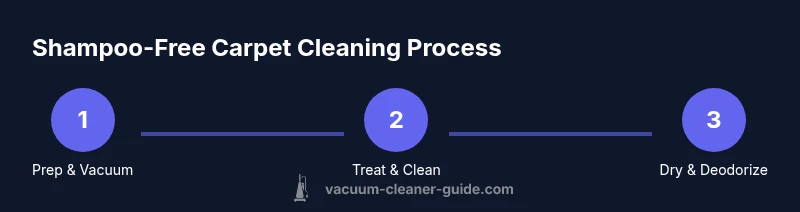
Thoroughly vacuum the carpet, focusing on high-traffic zones and edges. Vacuum slowly with multiple passes to lift surface soil before moisture is introduced. This reduces mud deposition and improves later cleaning effectiveness.
Tip: Go slow and use the crevice tool along seams to catch embedded dirt. - 2
Pretreat stains
Identify stains and apply a mild vinegar-water solution or a small amount of approved stain remover. Blot from the outside in to avoid spreading, and avoid rubbing harshly. Let the treatment sit for 5–10 minutes for better penetration.
Tip: Test on a hidden area first to ensure it won’t affect color. - 3
Dry-cleaning with baking soda
Sprinkle a thin, even layer of baking soda over the carpet and let it dwell for 15–20 minutes to absorb oils and odors. Vacuum thoroughly to remove the powder and suspended soil.
Tip: For persistent odors, leave baking soda on overnight in small, well-ventilated rooms. - 4
Wet cleaning with vinegar solution
Lightly mist the area with a vinegar-water mix (1 cup vinegar to 4 cups water). Use a microfiber cloth to blot and lift stains rather than saturate the fibers. Wipe or blot until the area is damp but not soaking.
Tip: Avoid overwetting; excess moisture can push dirt deeper and extend drying time. - 5
Gentle agitation
Gently work the damp area with a soft brush or microfiber pad to lift embedded soil without fraying fibers. Move in small circular motions and overlap strokes to ensure even cleaning.
Tip: Minimal pressure is key; it’s the motion, not force, that loosens grime. - 6
Moisture extraction
If available, use a wet-dry vacuum to extract moisture from the cleaned area. Alternatively, place absorbent towels and press firmly to lift as much liquid as possible. Turn on fans or a dehumidifier to accelerate drying.
Tip: Start extraction from the outside edge toward the center for uniform moisture removal. - 7
Drying & deodorizing
Allow the carpet to dry completely before light traffic returns. Vacuum again to lift any loosened fibers and remove dried baking soda residue if present. If odors persist, a light dusting of baking soda after drying can help.
Tip: Ensure continuous ventilation during drying to minimize moisture-related issues.
FAQ
Can I clean my carpet without a shampooer at home?
Yes. A combination of thorough vacuuming, spot pretreatment, baking soda deodorizing, and careful moisture control can refresh many carpets without a shampooer. Start with the mildest approach and monitor results.
Yes. You can refresh many carpets at home using vacuuming, pretreatment, and baking soda, with careful moisture control.
Will baking soda damage my carpet?
Baking soda is generally safe for most fibers when used in moderate amounts and fully removed by vacuuming. It can leave a residue if not vacuumed well, so be sure to vacuum thoroughly after dwell time.
Baking soda is usually safe if you vacuum it up well after use.
Is steam cleaning without a shampooer effective?
A steam-like approach using hot water can help lift soils, but it won't provide the same detergent action as a shampooer. For delicate fibers or stains, proceed with caution and avoid saturating the carpet.
Steam can help lift soils but won’t replace a shampooer for tough stains.
How long does it take to dry after a DIY clean?
Dry times vary by room size, carpet type, and ventilation. In well-ventilated spaces, most areas feel dry to the touch within 2–6 hours; complete scent and fiber recovery may take longer.
Drying usually takes a few hours with good ventilation.
Should I use hydrogen peroxide on colored carpets?
Hydrogen peroxide can bleach color-fast fabrics, especially colored carpets. Always test first and avoid using peroxide on non-white fibers unless you know it’s safe.
Test first; hydrogen peroxide can bleach colors.
Can I use dish soap for cleaning?
A tiny amount of mild dish soap can help grease stains on durable carpets, but avoid using soaps that leave residue or foam. Rinse with a damp cloth and blot thoroughly.
Use a little dish soap sparingly and rinse well.
Watch Video
The Essentials
- Vacuum thoroughly before any wet cleaning.
- Test colorfastness on a hidden patch.
- Use baking soda for deodorizing between cleans.
- Avoid over-wetting; dry quickly with fans.
- DIY shampoo-free methods save time and money when done safely.