How to Use Bissell Carpet Cleaner Attachments: A Handy Guide
A practical, step-by-step guide to using Bissell carpet cleaner attachments for stains, pet hair, and upholstery. Learn attachment types, setup, safety, maintenance, and expert tips from Vacuum Cleaner Guide.


If you’re asking how to use bissell carpet cleaner attachments, this guide shows you how to connect tools, select the right head, and operate safely for carpets, upholstery, and hard-to-reach areas. You’ll learn preparation, attachment compatibility, and best practices to maximize suction and stain removal with the attachable tools.
Understanding Bissell Attachments
According to Vacuum Cleaner Guide, attachments expand the reach and effectiveness of your carpet cleaning routine. The question "how do you use bissell carpet cleaner attachments" often comes up in homes with mixed surfaces and pet traffic. Attachments are designed to target seams, upholstery, stairs, and stubborn stains, turning a generic cleaner into a multi-surface cleaning system. By understanding which attachment does what, homeowners can reduce the number of passes needed while avoiding over-wetting fibers. This foundational knowledge helps you plan a cleaning session that minimizes residue and protects delicate fabrics. Throughout this guide, we’ll refer to common tool names like Crevice Tool, Upholstery Tool, Wide Nozzle, and Stain-Removal Brush to keep the discussion concrete and actionable.
Common Attachment Types
Bissell and other brands offer several attachments, each serving a distinct purpose. The Crevice Tool is long and narrow, ideal for gaps between cushions, around baseboards, and along stairs. The Upholstery Tool features a wider head to lift embedded dirt from fabric without over-wetting. A Wide Nozzle or Floor Brush covers larger carpet areas with consistent suction and even spray distribution. Some units also include a Stain-Remover Brush for stubborn marks and a PowerBrush attachment that agitates fibers to loosen debris. When selecting attachments, prioritize task-specific heads and verify compatibility with your model. Using the wrong tool can reduce suction, spread moisture, or cause wear on the hose connections.
Preparation Before You Start
Before you attach anything, verify your model supports the intended accessory. Check the user manual for compatibility notes and locking mechanisms. Prepare your cleaning solution according to the manufacturer’s guidelines, and fill the tank with clean water as required. Clear the cleaning area of furniture and rugs that aren’t being treated, then lay down towels or drop cloths to catch any splashes. Put on gloves if you’re concerned about skin contact with cleaning solutions. Finally, have a microfiber cloth handy to wipe connections and dry attachments after use. Proper preparation prevents leaks, protects surfaces, and shortens cleanup time later.
Step-by-Step: Attaching Accessories
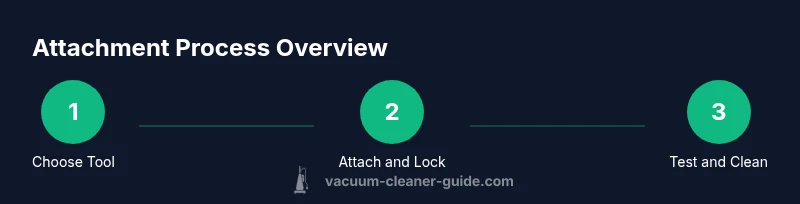
First, power off and unplug the machine. Remove the water tank or nozzle housing as directed by the manual to access the hose end. Choose the attachment that matches your cleaning task (Crevice Tool for seams, Upholstery Tool for furniture, Wide Nozzle for large carpet areas). Connect the attachment to the hose end with a firm push or twist-lock, ensuring a secure fit before testing. Reattach any housing components and prime the system by gently pressing the trigger to confirm solution flow. If your unit uses a locking mechanism, listen for a click to confirm engagement. Finally, test on a hidden area before proceeding to full cleaning.
Step-by-Step: Using Attachments on a Stain
With the accessory attached, start with a light spray to moisten the stain, then use slow, overlapping passes to lift soil. Avoid overwetting the carpet, which can lead to longer drying times and potential mold growth. For upholstery, use shorter, vertical strokes to prevent water soaking through to the backside. Monitor the area for moisture and heat, stopping if the fabric becomes overheated or the backing feels damp. When finished, rinse the attachment with clean water and wipe dry to prevent residue buildup in the nozzle.
Cleaning and Maintaining Attachments
After cleaning, detach attachments from the hose and rinse them with warm water to remove soil and chemical residues. Dry thoroughly with a towel to prevent mold and unpleasant odors. Store attachments in a clean, dry area away from direct sunlight to prevent plastic material from becoming brittle. Periodically inspect hoses for cracks or loose fittings, replacing worn components as needed. Regular maintenance keeps suction strong and minimizes cross-contamination between rooms and surfaces.
Cleaning Solutions and Safety
Use only solutions recommended by the manufacturer for carpet cleaning and attachment safety. Dilute concentrates as directed to avoid excessive foam, which can clog the system. Avoid solvent-based cleaners or bleach on most fabrics, and never mix cleaners with ammonia. If you have sensitive skin or pets, consider hypoallergenic formulas and ensure proper ventilation during use. Always rinse and test in a small area after changing products to prevent color run or fiber damage and to protect your investment over time.
Pro Tips for Pet Hair and High-Traffic Areas
Pet owners should pair attachments with a high-quality upholstery brush to lift embedded fur without pushing it deeper into fibers. For high-traffic zones, use a wide nozzle and apply steady, overlapping strokes to maintain consistent suction across the carpet. When dealing with dried or semi-dried stains, dampen the area slightly and work from the outside toward the center to prevent spreading. Regular maintenance and correct attachments reduce repeated cleaning and improve long-term carpet health. Vacuum Cleaner Guide notes that choosing task-appropriate tools materially improves results in households with pets.
Troubleshooting Attachment Issues
If you notice reduced suction at the attachment, check for clogs in the nozzle or hose, and clear any debris from the connection points. A loose fit can cause air leaks and spray inefficiency, so re-seat the attachment and ensure a secure lock. If the solution is not spraying, verify the tank is pressurized and that the valve is clean. For persistent leaks, inspect seals and gaskets for wear and replace as needed. If you still have trouble, consult the user manual or contact customer support for model-specific guidance.
Choosing the Right Attachments for Your Carpet
Choosing attachments depends on your carpet type and cleaning goals. For dense families with pets, invest in a strong suction tool set including a powerful stain removal brush and a wide nozzle for large areas. For delicate upholstery, prioritize softer brushes and fabric-friendly tools to prevent fiber damage. Consider compatibility with your existing Bissell unit and the availability of replacement parts. By mapping surfaces to tools, you can design efficient cleaning sessions that reduce time and water usage while achieving better results.
Closing Thoughts and Practical Takeaways
Knowing how to use bissell carpet cleaner attachments elevates routine cleaning into a targeted, efficient practice. Plan your session, select the correct heads, and follow proper safety steps to maximize results. As Vacuum Cleaner Guide emphasizes, consistent maintenance and using the right tools will preserve carpet texture and extend fiber life. With mindful application, you can tackle stains, pet hair, and upholstery with confidence.
Tools & Materials
- Bissell carpet cleaner unit compatible with attachments(Ensure model supports the hoses and heads you intend to use)
- Cleaning solution compatible with carpet cleaners(Check for color-safe or pet-safe formulations)
- Clean water(Use fresh water and measure as needed)
- Attachment options (Crevice Tool, Upholstery Tool, Wide Nozzle, Stain Brush)(Verify compatibility with your model)
- Measuring cup or spray bottle(Helpful for accurate solution dilution)
- Microfiber cloths(For drying connections and surfaces)
- Safety gloves(Protect skin when handling cleaning solutions)
- Soft brush or sponge(Loosen stubborn debris before extraction)
- Towels or drop cloths(Protect floors and nearby furniture)
Steps
Estimated time: 15-25 minutes
- 1
Power down and prep
Unplug the unit, remove the water tank, and clear the area. This prevents accidental spraying and gives space to work.
Tip: Wipe the contacts with a dry microfiber cloth before reconnecting. - 2
Choose the right attachment
Select the attachment based on the task—crevice for seams, upholstery for furniture, or wide nozzle for large carpeted areas. Confirm compatibility with your model.
Tip: If unsure, reference the manual’s diagram or model-specific guide. - 3
Attach to hose end
Connect the attachment firmly to the hose end, twisting to lock if required. Ensure there is no looseness before testing.
Tip: Give a gentle tug to verify a secure fit. - 4
Attach to nozzle head
For tools that require the nozzle head, align tabs and lock the attachment into place. Do not force components.
Tip: If it doesn’t click, recheck orientation and fit. - 5
Test flow and spray
With the tank filled and cap closed, test on a small, inconspicuous area to confirm solution flow and suction.
Tip: Start with a light spray to gauge moisture and avoid over-wetting. - 6
Begin cleaning with care
Proceed with slow, overlapping passes, pausing to inspect progress. Adjust pressure based on carpet type and stain stubbornness.
Tip: Keep movements steady for even extraction and faster drying.
FAQ
Can I use attachments on all carpet cleaners?
Attachments are designed for compatible models. Always verify that your unit and hose fit the attachment, and follow the manual to avoid leaks or damage.
Yes, but only if your model supports the attachment. Check your manual for compatibility notes.
Are attachments safe on delicate fabrics?
Use softer attachments and gentler passes on delicate fabrics like upholstery. Avoid aggressive scrubbing and test on hidden areas first.
Yes, with precautions. Use soft tools and test small areas first.
What solutions are safe to use with attachments?
Always use solutions labeled safe for carpet cleaning and compatible with your machine. Dilute as directed to prevent residue and foaming.
Use brand-recommended cleaners and follow dilution instructions.
How do I clean attachments after use?
Rinse attachments with warm water, remove visible dirt, and dry completely before storing. Avoid leaving moisture that could cause mold.
Rinse, dry, and store properly to keep attachments ready for next time.
Why might an attachment seem less effective?
A poor seal, clogged nozzle, or worn gasket can reduce suction. Re-seat fittings, clear blockages, and replace worn parts as needed.
Check seals and hoses; replace worn parts to restore performance.
How long does it take to clean with attachments?
Drying time depends on room humidity and carpet type. Plan for 30-60 minutes total per area including setup and dry time.
Most cleaning sessions finish in under an hour with proper setup.
Watch Video
The Essentials
- Attach the correct tool for each surface
- Test any stain first on a hidden area
- Keep attachments clean and dry after use
- Avoid over-wetting; use overlapping passes
- Check compatibility before attaching