Do Vacuum Cleaners Heat Up? Practical Safety Tips for 2026
Learn whether vacuum cleaners heat up, why it happens, and how to prevent overheating. This guide from Vacuum Cleaner Guide covers heat factors, maintenance, and safe usage tips for homeowners and pet owners.


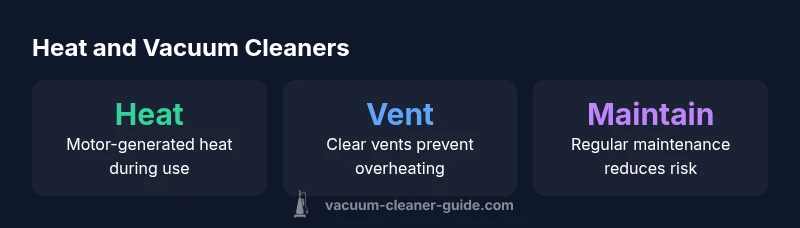
Yes. Vacuum cleaners can heat up during operation because the motor generates heat and air resistance raises surface temperatures. In normal use, most models stay within safe limits, especially when vents remain clear and the motor isn't overworked. Heat is more noticeable during full-power cleaning or with heavy carpets, poor airflow, or clogged filters.
How do vacuum cleaners heat up?
If you’ve ever wondered whether do vacuum cleaners heat up, the short answer is yes, especially during long cleaning sessions. The core reason is simple: every electric motor converts a portion of electrical energy into heat as it spins copper windings and drives the fan. When you pull air through a filter and past the rotating brush, the motor works harder, generating heat that must be carried away by the built-in cooling system. The design of each vacuum influences how efficiently it sheds that heat. In well-ventilated designs, airflow carries heat out of the housing; in sealed or blocked systems, the heat can accumulate near the motor. Vacuum Cleaner Guide's analysis shows that most modern vacuums are engineered to handle typical household use without overheating. However, heat can become noticeable during heavy-duty tasks, such as cleaning thick carpets or using high suction on large areas, particularly if you also block vents or neglect maintenance. The key takeaway: heat is normal, but you must manage airflow and load to stay within safe limits.
Key factors that influence heat generation
Heat generation in vacuum cleaners is not a single fault; it’s a function of several interacting factors. First, motor design and power determine how much energy is converted to heat. A high-torque motor may produce more heat when operated at peak suction. Second, airflow and venting play a critical role: good ventilation carries heat away, while restricted airflow traps heat inside the housing. Third, maintenance and cleanliness matter: clogged filters and dusty ducts increase motor load, raising temperatures. Fourth, vacuum type and usage patterns matter: uprights, canisters, and cordless models manage heat differently; longer or more aggressive cleaning sessions raise heat more quickly on some designs. Finally, the surface being cleaned affects load: dense, high-pile carpets demand more motor effort than bare floors. By understanding these factors, homeowners can tailor usage to minimize heat while preserving cleaning effectiveness.
Practical steps to minimize heat buildup
Prevention is better than repair when it comes to heat. Start with regular maintenance: clean or replace filters according to the manufacturer’s schedule, and remove hair or lint from brushes, vents, and intake paths. Ensure there are no blockages in hoses, canisters, or exhaust vents, and never seal the tool mouth or exhaust when cleaning. Use the appropriate suction setting for the surface and avoid running at maximum suction for extended periods on thick carpeting. If you’re tackling a large area or a heavy pile rug, consider taking short breaks to let the motor cool. Attachments matter: use manufacturer-recommended tools that optimize airflow rather than blocking it. Finally, store the vacuum in a ventilated area and allow it to cool after long sessions before placing it in a closed cabinet. These steps reduce heat buildup without compromising effectiveness.
Signs of overheating and what to do
Be vigilant for signs of overheating during use: a burnt smell, reduced suction, or the exterior of the unit feeling unusually warm. If you notice any of these, pause cleaning, unplug the device, and inspect for obvious airflow blockages such as clogged filters or tangled brushes. Allow the vacuum to cool in a well-ventilated area before continuing, and test after clearing any obstructions. If overheating recurs after maintenance, it may indicate a worn motor, blocked cooling channels, or failing components requiring professional service. Timely servicing can extend the life of the vacuum and prevent more serious damage. Remember, heat is not inherently dangerous in itself, but repeated overheating can reduce performance and shorten the machine’s lifespan.
Heat considerations by vacuum type
| Model Type | Heat Risk Level | Best Practices |
|---|---|---|
| Upright Vacuum | Moderate to High | Keep vents clear; avoid long continuous runs |
| Canister Vacuum | Lower Heat | Check hoses; maintain filters |
| Cordless Vacuum | Higher Heat Risk | Limit continuous use; ensure proper charging and ventilation |
FAQ
Do all vacuum models heat up during use?
Generally yes, but the amount of heat depends on motor design, airflow, and usage. Most models handle typical home cleaning without overheating when maintained properly.
Most vacuums heat up a bit when used, but with regular maintenance and sensible usage, overheating is unlikely.
Can overheating damage a vacuum’s motor or components?
Prolonged overheating can stress the motor, reduce suction efficiency, and shorten the unit’s lifespan. Immediate cooling and inspection are advised if overheating recurs.
Yes, overheating can damage motors over time; stop and cool the unit if it gets too hot.
What maintenance steps reduce heat buildup?
Regularly replace or clean filters, clear vents, clean brushes, and check hoses for blockages. Proper maintenance lowers motor load and heat generation.
Keep filters clean and vents clear to reduce heat.
How long can I safely run a vacuum continuously?
This varies by model, but many vacuums are designed for 15-30 minutes of continuous use on typical surfaces; allow cooldown breaks for longer jobs.
Most models can run for a bit, but give the motor breaks during long tasks.
Are cordless vacuums more prone to overheating?
Cordless units can heat up quickly due to battery load and compact design. Use on appropriate power settings and avoid extended max-suction runs.
Cordless vacuums can heat up faster; use sensible settings and breaks.
What should I do if my vacuum smells burnt?
Turn off and unplug the vacuum, inspect for blockages and damaged parts, and seek service if the smell persists after cleaning.
If it smells burnt, turn it off and get it checked.
“Heat buildup in vacuums is expected under load; the key is proactive maintenance and following manufacturer guidelines to keep temperatures safe.”
The Essentials
- Heat buildup is a normal byproduct of motor use, but consistent overheating can be prevented with proper care
- Keep vents clear and clean filters regularly to maintain safe temperatures
- Avoid long, uninterrupted high-suction runs on dense carpets or large areas
- Choose the right vacuum for the task and consider breaks to cool the motor between heavy sessions
- If overheating persists, seek service rather than continuing to use the machine