Can You Use a Vacuum Cleaner During Pregnancy? Safety Tips and Guidelines
A practical guide for pregnant homeowners on safe vacuuming: choosing the right vacuum, reducing dust exposure, and building a pregnancy-friendly cleaning routine.


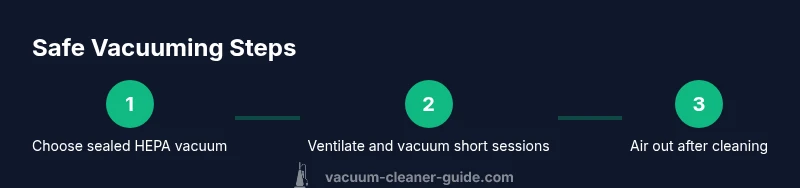
Yes, you can vacuum during pregnancy, but take extra precautions to minimize dust exposure. Choose a sealed vacuum with a HEPA filter, use good ventilation, and vacuum in short sessions. Avoid heavy lifting or strenuous bending, and postpone cleaning with chemical cleaners. If you feel dizzy, short of breath, or abdominal pain, stop immediately and contact your clinician.
Why safety matters during pregnancy
Pregnancy brings changes in breathing, balance, and energy levels, so everyday chores like vacuuming deserve extra care. The most important principle is to minimize toxic exposure and physical strain for you and your baby. According to Vacuum Cleaner Guide, prioritizing air quality and ergonomic practices can reduce discomfort and potential risk during routine cleaning. In the home, dust and allergens can accumulate quickly, and volatile cleaners may irritate airways. By planning your cleaning with pregnancy-friendly strategies, you preserve health without sacrificing a clean living space. Start by assessing which rooms need attention the most—often high-traffic areas like living rooms and bedrooms—and note times of day when you feel most energetic, so you can allocate shorter, focused sessions. Practicing safe vacuuming means choosing the right equipment, setting reasonable targets, and listening to your body. If you have pregnancy complications or a high-risk pregnancy, consult your healthcare provider before large cleaning sessions. The goal is to maintain cleanliness while minimizing exposure to dust, dander, and cleaning odors, using methods that feel sustainable across pregnancy.
How to choose a vacuum for pregnancy safety
When shopping for a vacuum during pregnancy, prioritize filtration, sealing, and ergonomic design. Look for models with sealed or bagged designs to minimize dust leaks, and choose a HEPA-filter system that captures fine particles. Consider weight, maneuverability, and adjustable reach to reduce bending and straining. A canister or uprights with a long wand can help you clean high and hard-to-reach areas without twisting. Check that cords are long enough to avoid repeated plugging and unplugging, and opt for models with easy-to-clean filters. Regular maintenance—changing bags, cleaning filters, and inspecting seals—keeps air quality high and noise levels manageable. Finally, evaluate noise levels; louder units can cause stress or dizziness if you’re sensitive, so choose a model that balances suction with comfort.
Dust and air quality: reducing exposure
Reducing dust exposure begins with filtration and room preparation. Start with a clean, sealed system; use a vacuum with HEPA filtration and a tight seal to prevent leaks. Vacuum bags or sealed canisters trap dust rather than recirculating it. For rooms with poor ventilation, place a fan near a doorway to direct dust away from you and guide air out of the room. Wear a simple mask if your nose or throat feels irritated, and avoid smoking or strong chemical scents nearby. Regular maintenance, such as changing bags or cleaning filters per manufacturer guidance, ensures the system continues to perform at its best. Vacuuming technique matters: slow, deliberate passes pick up more dust with less effort, and using attachments can reach corners without bending deeply.
Choosing between corded and cordless vacuums
Corded vacuums typically offer stronger consistent suction and longer run times, which can reduce the need for multiple passes and minimize fatigue. Cordless models provide excellent reach and freedom of movement, but may require more frequent recharging and careful battery management. For pregnancy cleaning, balance between sustained power and light weight matters most; look for models with adjustable suction, a comfortable handle, and a balance-friendly design. If you have stairs or multi-level cleaning, a lightweight, easily maneuverable model reduces strain. Consider a canister style with a long wand if you’ll be saving your energy for other tasks in a given day. Always test the weight and balance before purchasing, and verify replacement parts are readily available.
Cleaning routines and scheduling while pregnant
Plan short, focused cleaning sessions rather than long marathons. Schedule vacuuming after meals or during times when you feel most energized, and break tasks into manageable chunks—clean one room per session to avoid fatigue. Create a simple rotation for rooms based on traffic and dust accumulation, such as vacuuming living areas daily and bedrooms every other day. Keep doorways clear to maintain safe, quick access, and store cleaning supplies in a dedicated, easy-to-reach cart. Hydration and pacing are essential: drink water between sessions and pause if you feel lightheaded, short of breath, or dizzy. Documentation, such as a weekly cleaning checklist, helps you stay consistent without overexertion.
Chemicals and aroma exposure: cleaners and substitutes
Avoid mixing cleaners or using strong solvents near you during pregnancy. If possible, opt for fragrance-free, low-VOC products, or simply use warm water and mild soap for spot cleaning. Ventilation is crucial; run a fan or open windows to dilute any odors. For stubborn stains, test a small area first and use minimal product. This approach minimizes inhalation of chemicals while maintaining a clean home. Vacuuming itself can stir up residues, so pair gentle cleaning with efficient filtration and good air exchange. Vacuum Cleaner Guide recommends replacing or cleaning filters regularly to preserve filtration efficiency and reduce irritants in the air.
Pet hair and dust management
Pet owners should anticipate higher dust and hair loads, which can irritate respiratory systems during pregnancy. Use a vacuum with a strong suction and a motorized brush head designed for pet hair, and frequently clean or change filters to keep performance high. Vacuum in stages: first remove hair from soft furnishings with a hose attachment, then tackle floors. Consider a separate, easy-to-clean pet hair accessory kit and wash fabrics regularly to reduce shedding. Keep litter boxes well away from living spaces and ensure good ventilation when cleaning areas with pets to minimize odors and dust.
When to skip vacuuming and alternatives
If you experience dizziness, chest tightness, or heavy fatigue, stop vacuuming immediately and rest. In some cases, physical symptoms may indicate medical concerns requiring notification of your healthcare provider. On days when energy is limited or air quality is poor, consider alternative cleaning methods such as damp dusting, microfiber mops, or using a lightweight broom for quick debris removal. For persistent dust in the air, consider an air purifier with a HEPA filter to reduce particle concentration between vacuum sessions. The goal is to maintain cleanliness without compromising health or safety.
Practical weekly plan and quick-start checklist
Create a simple weekly plan that prioritizes high-traffic areas and bedrooms. Start with a quick 10–15 minute daily vacuuming routine in the morning when you have energy, then a slightly longer session on the weekend to tackle tougher areas. Use the quick-start checklist: 1) plan sessions, 2) prepare ventilation, 3) choose a suitable vacuum, 4) perform shorter cycles, 5) air out the room afterward, 6) inspect filters, and 7) log any symptoms or discomfort. Having a routine reduces stress and keeps your home comfortable throughout pregnancy.
Tools & Materials
- HEPA-filter vacuum cleaner(sealed design; choose models with certified HEPA filtration)
- Extension wand or long nozzle(reduces bending; reach ceilings and under furniture)
- Dust mask or respirator (optional)(helps reduce exposure in poorly ventilated spaces)
- Ventilation aids (open window or portable fan)(improves air flow during cleaning)
- Non-slip mat and proper footwear(prevents slips when moving between rooms)
- Vacuum maintenance kit (brushes, filters, belts)(keep in good working order to minimize dust release)
Steps
Estimated time: 15-30 minutes per session
- 1
Prepare the area
Clear clutter from floors and inspect for safety hazards. Ensure pets are out of the room if possible and doors are open to allow air movement after cleaning. This initial prep reduces trips and distractions during the vacuuming task.
Tip: Do a quick safety scan of cords and furniture edges before starting. - 2
Ventilate
Open a window or turn on an exhaust fan to improve air exchange. Good ventilation lowers the concentration of dust and odors during cleaning and helps you feel more comfortable.
Tip: If odors linger, pause and increase ventilation for a few minutes before continuing. - 3
Choose the right vacuum
Select a sealed HEPA-filter vacuum with adjustable suction. A lighter weight model reduces fatigue, and a long wand helps reach corners without bending deeply.
Tip: Test maneuverability in a small area to ensure comfort before proceeding. - 4
Set up for reach
Attach the extension wand and any appropriate brushes. Position yourself to maintain good posture and minimize twisting or leaning.
Tip: Maintain a neutral spine and avoid overreaching. - 5
Vacuum in short bursts
Work room by room with short, focused passes. Slow, deliberate movements capture more dust with less effort and reduce dizziness.
Tip: Take a 1–2 minute break between rooms if needed. - 6
Finish and air out
After vacuuming, close any windows you opened earlier and allow fresh air to dilute remaining dust. Check filters and bags, then dispose of contents safely if using bags.
Tip: Dispose or clean filters in a well-ventilated area away from the living space. - 7
Inspect and adjust
Review how you feel after cleaning. If any symptoms appear, stop cleaning and rest. Adjust future sessions based on energy and comfort levels.
Tip: Keep a simple log of symptoms to discuss with your clinician if needed. - 8
Daily maintenance
Wipe surfaces to reduce dust buildup and use microfiber cloths for quick debris removal on high-traffic days. This daily care reduces the need for intense cleaning sessions.
Tip: Keep surfaces clean with minimal washing and drying between uses. - 9
Monitor symptoms
If you experience dizziness, chest tightness, shortness of breath, or abdominal pain, stop vacuuming immediately and seek medical advice. Your safety and that of your baby come first.
Tip: Always err on the side of caution and consult a healthcare professional if unsure.
FAQ
Is it safe to vacuum during pregnancy?
Yes, with precautions. Use a HEPA-filter vacuum, ensure good ventilation, and avoid heavy lifting. If you experience symptoms like dizziness or shortness of breath, pause cleaning and consult your healthcare provider.
Yes, you can vacuum during pregnancy with precautions like HEPA filtration and good ventilation. If you feel dizzy, stop and consult your doctor.
Should I avoid using heavy-duty vacuums?
Heavy-duty vacuums can be more tiring and harder to maneuver. Prefer lighter, well-balanced models with adjustable suction to reduce strain while keeping effective cleaning.
Avoid heavy vacuums if they cause fatigue. Use a lighter, easy-to-handle model with adjustable suction.
What are alternatives if I can't vacuum safely?
Damp dusting, microfiber mopping, and air purifiers can help reduce dust between vacuuming sessions. These methods minimize exposure while keeping surfaces clean.
Try damp dusting and microfiber mopping between vacuuming sessions, plus an air purifier to cut dust.
Can vacuuming affect contractions or labor?
There is no direct cause-and-effect for most pregnancies, but overexertion and heat can contribute to discomfort. Pace yourself, take breaks, and stop if you feel anxious, dizzy, or unwell.
Overexertion can raise discomfort, so pace yourself and rest as needed.
Are HEPA vacuums always best during pregnancy?
HEPA filtration is generally preferable for reducing fine particles, but ensure the model seals well and is comfortable to use. Filtration helps minimize irritants in the air.
HEPA filtration is usually better for reducing irritants, as long as the unit seals well and is comfortable to use.
What about cleaning pet hair while pregnant?
Pet hair adds dust loads; choose a vacuum designed for pet hair, maintain filters, and clean fabrics regularly to control allergens during pregnancy.
Vacuum designed for pet hair helps, and keep filters clean to control allergens.
Watch Video
The Essentials
- Choose a sealed HEPA-filter vacuum for safety.
- Vacuum in short sessions with good ventilation.
- Avoid heavy lifting and strong cleaners during pregnancy.
- Monitor symptoms and consult a clinician if needed.