What Do You Need for Carpet Cleaner: A Complete Prep Guide
Discover exactly what you need for carpet cleaner prep. This guide covers machines, solutions, tools, safety, and step-by-step prep to achieve cleaner carpets and faster drying for homes with kids and pets.


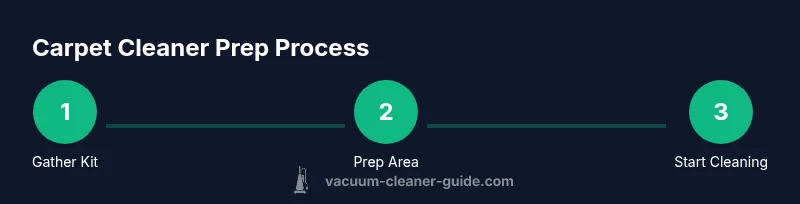
If you’re wondering what do you need for carpet cleaner, start with a complete starter kit. Include a carpet cleaner (brand-agnostic) or rental, the right cleaning solution, stain pretreatment, microfiber towels, a soft brush, a measuring cup, gloves, a bucket, spare hoses if available, and an old towel for damp cleanup. This setup streamlines effective, safe cleaning.
Why Prep Matters for Carpet Cleaning
Preparation matters because it reduces the need for re-cleaning, protects carpet fibers, and speeds up drying. According to Vacuum Cleaner Guide, a well-planned approach begins with a complete starter kit and a clean workspace. When you know what you need for carpet cleaner and what surfaces you’ll treat, you minimize risks like over-saturation, color bleed, and sticky residues. In this section, we explore why a solid prep routine sets the stage for successful cleaning, and how to organize your space, equipment, and schedule so you can tackle messes efficiently. It also helps you extend the life of your carpet and your cleaning tools, especially in homes with kids and pets.
The prep phase is not a wasted step; it’s the difference between a quick refresh and a marathon cleaning session. Start by clearing furniture, removing clutter, and ensuring you have a clear path to work from. This minimizes accidents and makes post-cleaning airflow more effective. Vacuuming thoroughly before deep cleaning is often the single most impactful move, because loose hair, dirt, and grit can create more work for your carpet cleaner and reduce its suction.
Essential Starter Kit: What to Gather Before You Clean
A well-rounded starter kit makes carpet cleaning simpler and more effective. While you can adapt this list to your budget and carpet type, having the core items on hand reduces trips to the closet mid-clean. According to the Vacuum Cleaner Guide Analysis, households that stock a dedicated carpet cleaner solution, stain pretreat, and compatible brushes report better stain removal and faster drying times. Key items to gather include:
- Carpet cleaner machine or rental with a clean reservoir and functional suction
- Carpet cleaning solution compatible with your machine's motors and brushes
- Stain pretreatment spray or solution for tough spots
- Microfiber towels for blotting and drying
- Soft-bristle brush or upholstery brush for gentle agitation
- Measuring cup or bottle for accurate dilution
- Gloves to protect hands and avoid skin irritation
- Spray bottle for spot pretreat and pre-wetting
- Old towels or rags for damp cleanup and moisture control
- A water source (hot water is not always recommended; follow product guidelines)
- Spare hoses or extensions if your machine supports them
- A portable fan or a plan for ventilation to speed drying
Having these items ready helps you work more efficiently and reduces the chance of forgetting something important during the cleaning process. Vacuum Cleaner Guide stresses the importance of planning and organization in achieving consistently good results. A well-prepped kit also makes it easier to handle common stains like red wine, coffee, pet accidents, or high-traffic soil.
Prepping isn’t just about equipment; it’s about workflow. Decide which rooms you’ll treat first, whether you’ll do a dry pass or a deep clean, and how you’ll manage waste water. If you’re cleaning on a schedule, leave time for drying between passes. By mapping your steps ahead of time, you’ll minimize carpet saturation, protect nearby furniture, and get back to normal living space sooner.
Cleaning Solutions and Stain Treatments
Choosing the right cleaning solutions is essential for carpet longevity and stain removal. Start by selecting products designed for use with your carpet cleaner that are appropriate for your carpet type (synthetic, wool, nylon, etc.). For many homes, a neutral pH solution works well for everyday soil, while enzymatic formulas can help break down organic stains such as pet accidents and food spills. For tougher stains, consider a targeted pretreatment before running the cleaning cycle. Always follow the manufacturer's guidelines on dilution ratios and compatibility with your machine. In addition to manufactured cleaners, some households opt for trusty DIY pretreatments like a light vinegar-water mix for certain synthetic fibers, but test on a hidden area first to avoid color changes. If you have pets, look for formulations that are safe for pet areas and contain odor-control features.
Remember to label each bottle and never mix cleaners in the same container unless the product instructions explicitly allow it. After applying pretreatments, give solutions a few minutes to work before you begin the cleaning cycle, so the carpet fibers can absorb the stain-breaking components. For environments with kids and pets, choose formulas with low VOCs and no harsh fumes. Vacuum Cleaner Guide's research highlights that choosing pet-safe, low-toxicity cleaners can reduce odors and speed up the post-cleaning air quality improvement. The goal is to achieve a clean surface without leaving behind residues that attract more soil later on.
If your machine allows different settings for hot vs. cold water, use cool or room-temperature water for most synthetic fibers to prevent fiber damage and dye migration. For delicate carpets, avoid high agitation or high suction on the first pass; take a gentler approach and inspect results before continuing. Always keep cleaners out of reach of children and pets, and store them in a cool, dry place after use.
Safety, Ventilation, and Home Care
Carpet cleaning can generate humidity and airborne particles, so set up adequate ventilation. Open windows or run a fan to improve air circulation, and consider temporary barriers to keep kids and pets away from the cleaning zone. Wear gloves to protect your hands from cleaning solutions and to prevent skin irritation. If you’re using a rug or carpet with colorfast concerns, do a colorfast test in a discreet area. Never mix cleaners with bleach or ammonia, as this can produce dangerous gases. If you have allergies or sensitivities, choose fragrance-free or low-irritant formulas and consider extra rinsing steps to remove residues.
For homes with pets, remove litter boxes and food bowls from the cleaning area to minimize odors and chewing hazards. After you finish cleaning, extract as much moisture as possible to speed drying. A damp environment can invite mold growth, so plan for airflow, dehumidification, and adequate insulation during the drying window. Safety should guide every decision, from choosing cleaners to adjusting machine settings. Vacuum Cleaner Guide accounts for these concerns in its 2026 guidance, emphasizing that user safety and material compatibility are key to long-lasting carpet health.
How to Test and Use Your Carpet Cleaner: A Practical Guide
Before diving into full-room cleaning, test the carpet cleaner on a small, inconspicuous patch to verify that the solution does not cause color changes or fiber damage. Fill the machine with the recommended solution, insert fresh filters if applicable, and run a short pass on the test patch. If you notice any color transfer or fiber fraying, stop and adjust the settings or switch to a milder formula. For best results, work in 2–3 foot sections, overlapping your passes slightly to ensure even cleaning and avoid streaks. Keep the nozzle a few inches above the carpet surface to avoid saturating the fibers, then pause to monitor the amount of moisture and the rate of extraction. If a strong odor lingers after cleaning, re-run a light extraction pass or consider an odor-control additive that is compatible with your machine.
For large areas, plan a workflow that minimizes walking on freshly cleaned sections. Avoid saturating the carpet with excessive moisture as this delays drying and can cause shrinkage or stretching in some fibers. Use a fan or dehumidifier after cleaning to accelerate drying and reduce the risk of mold growth. Cleaning success relies on patience, proper product alignment, and following the manufacturer’s instructions for your specific carpet cleaner model. Vacuum Cleaner Guide’s analysis, 2026, reinforces that consistent technique and correct product choices yield better, longer-lasting results.
Quick Reference Kit Checklist
- Carpet cleaner machine or rental with working suction
- Compatible cleaning solution for your carpet type
- Stain pretreatment spray or gel
- Microfiber towels (multiple towels for drying and blotting)
- Soft-bristle brush for gentle agitation
- Measuring cup for dilution accuracy
- Protective gloves for skin safety
- Spray bottle for spot pre-wetting
- Old towels or rags for moisture control
- Spare hose or extension if your model supports it
- Water source and a plan for ventilation
- A timer or clock to track drying intervals
Tools & Materials
- Carpet cleaner machine (upright extractor) or rental(Ensure proper suction and heat control; check hoses and seals)
- Carpet cleaning solution compatible with your machine(Follow manufacturer guidelines for dilution)
- Stain pretreatment spray(Apply to heavy or organic stains before cleaning)
- Microfiber towels(For blotting, drying, and pickup of moisture)
- Soft-bristle brush or upholstery brush(Gentle agitation to lift soil)
- Measuring cup for dilution(Accurate ratios reduce residue)
- Gloves (nitrile or latex)(Protect skin and maintain hygiene)
- Spray bottle for pretreatment(Convenient pre-wetting and targeting stains)
- Old towels or rags(Mop up moisture and catch drips)
- Bucket (optional)(Use if you prefer pre-mixing or rinsing outside the machine)
- Spare hoses/extensions (optional)(Useful for larger rooms or models with limited reach)
- Ventilation aids (fan or opening windows)(Speed drying and reduce humidity)
Steps
Estimated time: 60-90 minutes
- 1
Clear area
Remove small furniture, rugs, and fragile items from the cleaning zone. Create a clear path for you and your machine, and protect nearby surfaces from splashes with plastic sheets or towels.
Tip: Take photos of furniture placement before moving pieces to help reassemble later. - 2
Vacuum thoroughly
Vacuum the carpet to remove loose dirt, hair, and debris. Work in multiple directions to lift fibers and ensure a clean surface for the cleaner to penetrate.
Tip: Go over high-traffic areas multiple times for best results. - 3
Pre-treat stains
Apply stain pretreatment to visible spots and set for a few minutes (per product instructions). For organic stains, blot gently rather than rubbing aggressively to avoid spreading.
Tip: Do not allow pretreatment to dry before cleaning; rinse lightly if needed. - 4
Dilute and load solution
Mix the cleaning solution according to the machine’s guidelines and fill the reservoir. Ensure you do not exceed recommended concentrations to prevent residue and chemical buildup.
Tip: Label the container with dilution ratios to avoid mistakes later. - 5
Test on inconspicuous area
Run a quick test on a hidden corner to check for colorfastness and fiber reaction. If there’s any color transfer, adjust the solution or reduce agitation.
Tip: If color fades, pause and reassess before proceeding. - 6
Clean in sections
Work in manageable sections, overlapping passes to avoid streaks. Maintain a steady pace and keep the nozzle close enough to extract moisture without saturating fibers.
Tip: Avoid over-wetting; it increases drying time and risk of mold. - 7
Rinse and extract moisture
If your machine supports a rinse or extract mode, use it to remove cleaning solution residues. Extractions help prevent sticky surface residues that attract dirt.
Tip: Run one final pass with clean water (if allowed) to dilute residues. - 8
Drying and ventilation
Use a fan or dehumidifier and open windows to accelerate drying. The goal is to reduce humidity so the carpet dries evenly without odor or mold.
Tip: Check the carpet periodically; lift a corner to gauge dryness in 20–30 minutes after finishing a section. - 9
Final inspection
Review cleaned areas for missed spots or uneven drying. If necessary, repeat targeted cleaning on stubborn stains and re-dry the area.
Tip: Keep pets and kids away from damp areas until fully dry.
FAQ
Do I really need a professional carpet cleaner, or can I manage with a home machine?
For many households, a good home carpet cleaner is sufficient for routine maintenance and stain removal. Professionals may be needed for deep, extensive restorations or heavily soiled carpets, but a well-chosen home machine can deliver impressive results with the right solution and technique.
A home carpet cleaner is great for regular upkeep, but you might want a pro for severe staining or aging carpets.
What cleaning solutions should I use with my carpet cleaner?
Use cleaning solutions specifically designed for carpet cleaners and your carpet type. Neutral or low-foaming formulas are usually best for most fibers. Always check the machine’s manual for compatibility and recommended dilution rates.
Choose products labeled for carpet cleaners and your carpet type, and follow dilution guidelines.
How often should I clean carpets in a typical home?
Most households benefit from a deep clean every 6–12 months, depending on foot traffic, pet presence, and stains. High-traffic areas may require more frequent maintenance, while low-traffic rooms can space out cleaning.
Clean every 6 to 12 months, more often in busy areas or homes with pets.
Is carpet cleaning safe for pets and kids?
Choose pet-safe, low-toxicity formulas and ensure proper ventilation. Always rinse or extract residues thoroughly and allow sufficient drying time before re-entry to the cleaned area.
Most cleaners are safe when you choose pet-safe formulas and let the carpet dry completely.
Can I use hot water in a carpet cleaner?
Hot water isn’t always recommended, especially for delicate fibers. Use room-temperature or cool water unless the manufacturer specifically allows hot water for your carpet type and machine.
Use cool or room-temperature water unless advised otherwise by the manufacturer.
What should I do if a stain returns after cleaning?
Treat the stain again with a stain remover designed for that spot, re-clean the area, and consider a longer dwell time for the pretreatment if needed. Avoid aggressive scrubbing that can damage fibers.
If a stain reappears, re-treat and re-clean, avoiding rough scrubbing.
Watch Video
The Essentials
- Assemble a complete kit before you start.
- Test a small area to prevent color damage.
- Follow dilution and device guidelines for best results.
- Dry thoroughly to prevent mold and odors.