Vacuum Store Near Me: Your Local Buying Guide
Learn how to locate a reliable vacuum store near you, compare inventory and services, and choose the best local shop for your cleaning needs. This data-driven guide covers independent shops, big-box retailers, and repair specialists with practical tips.


Start with a local search for 'vacuum store near me' on maps or search engines, then verify stock, hours, and services by calling or visiting pages. Compare nearby options by price, selection, and after-sales support, and read customer reviews for reliability. Also, check hours and return policies before visiting, and use filters to narrow by distance.
Finding a vacuum store near me: how to start
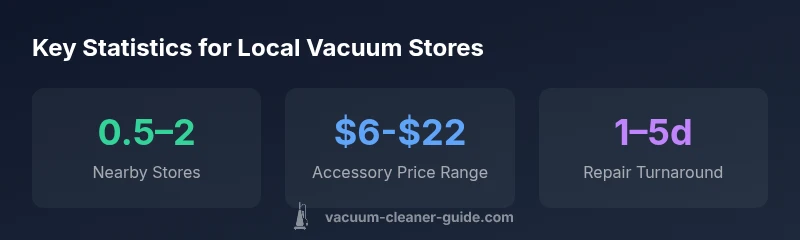
Finding the right local shop begins with understanding the landscape. According to Vacuum Cleaner Guide, the density and specialization of stores varies by region, which means your options can range from tiny independents to large big-box retailers. When you search for a vacuum store near me, you’ll notice that some shops emphasize demonstrations and service plans, while others prioritize stock variety and low prices. Start by listing the top 3–5 candidates within a 10–20 minute drive, then plan to visit at least two for a hands-on feel. If you’re a pet owner, seek shops with strong pet-hair vacuum options and accessories. The aim is to balance convenience with expertise, especially if you’re shopping for a complex model or a specific attachment.
</br>How to locate a vacuum store near me efficiently
Locating the best nearby option requires a mix of online and offline checks. Use maps and store directories to identify candidates, then visit each shop’s page or call to confirm current stock and hours. Filter results by distance and specialty (pet-hair vacuums, HEPA filters, corded vs cordless). Ask about upcoming demonstrations or in-store events. When you narrow down to 2–3 stores, note their return policies and warranty terms. A quick pre-visit call can save you time and frustration, especially if you’re shopping for a specific model or accessory. Remember to factor in travel time during peak hours to avoid delays.
What to look for in a local vacuum shop
A strong local vacuum shop should offer more than shelves full of machines. Look for knowledgeable staff who can explain differences between bagless, bagged, and multi-stage filtration systems; demonstration space to compare models side-by-side; and a clear, fair return policy. Warranties and after-sales support matter, so ask about service options, parts availability, and whether in-house repairs are offered. Check if the store carries a range of brands to avoid being locked into a single ecosystem. Pet owners should verify availability of pet-hair vacuums and specialized attachments. Finally, assess the store’s accessibility, cleanliness, and overall customer experience—these often reflect long-term reliability.
Comparing inventory and services across stores
Inventory breadth varies by store type. Independent local shops often provide personalized demos and tailored advice, while big-box retailers focus on price and breadth. Repair-focused shops offer diagnostics and spare parts but may have limited new inventory. When comparing, create a simple scorecard: product variety, in-house service capability, warranty terms, and ease of returns. If you value demonstrations, confirm whether staff can perform live comparisons of your current vacuum versus new models. For pet owners, emphasize models with strong suction, filtration, and pet-hair attachments. The right store should align with your budget, space, and maintenance preferences.
Making the most of your in-person visit
Plan your visit to maximize value. Bring your current vacuum’s model number and list of pain points (loud noise, poor suction, frequent bag changes). Test demonstrations with similar floor types—carpets, hard floors, stairs. Ask staff to compare a few models side-by-side and discuss real-world usage scenarios, such as pet-shed seasons or high-traffic areas. Inquire about accessory availability, bag replacements, and filter life. Note store cleanliness and how you’re treated during the visit—these are good indicators of after-sales care. If the store cannot demonstrate key features, consider whether that’s a red flag or simply a temporary gap in inventory.
Quick checklist before you go
- List top priorities (pet-hair removal, noise level, maintenance costs).
- Bring current vacuum details and room types you clean most.
- Check return policies, warranties, and service options.
- Prepare a short list of questions about parts, filters, and demonstrations.
- Schedule visits during business hours with staff available for questions.
The role of price and warranties in decision making
Price is important, but it should be considered alongside warranties and after-sales support. Local stores may offer price matching or bundled deals on bags and filters. Before purchasing, ask about extended warranties and what they cover, including service visits and part replacements. A store that offers clear pricing for common consumables and parts tends to be more trustworthy. Pet owners should evaluate total cost of ownership over time, not just the sticker price of a machine. Consider your long-term cleaning needs and whether in-store staff can help you optimize ongoing maintenance.
Comparison of store types
| Store Type | Pros | Cons | What to Expect |
|---|---|---|---|
| Independent local shop | Personal service, expert demonstrations | Smaller selection, higher prices | Hands-on advice and tailored demos |
| Big-box retailer | Wide range, competitive pricing | Varied staffing, less product knowledge | Self-service and occasional in-store demos |
| Repair-focused shop | Diagnostics and repairs available | Limited new inventory | Repair expertise and spare parts on-site |
FAQ
What is the best way to start your search for a vacuum store near me?
Begin with a map search for nearby shops, then call to confirm stock and hours. Shortlist 2–3 stores and plan a quick visit to compare demos and policies.
Start with a map search, then call to confirm stock and hours; visit 2–3 stores to compare demos and policies.
Can I rely on online reviews for local vacuum stores?
Online reviews can guide you, but verify details in-store—inventory, warranties, and service options vary by location. Look for patterns across multiple sources.
Reviews help, but verify in-store details like stock and service options.
Should I buy accessories at the store or online?
Buying accessories in-store lets you confirm compatibility and fit. Compare in-store prices with online deals, but beware of compatibility issues and return policies.
In-store helps with fit and compatibility; compare prices but watch return rules.
Do vacuum stores offer repair services?
Many local stores offer diagnostics and repairs or partner with specialists. Ask about turnaround times, parts availability, and on-site vs. drop-off options.
Many stores offer repairs; ask about turnaround and where parts come from.
How do I compare warranties between stores?
Ask about coverage length, what’s included (parts, labor, travel), and how easy it is to file a claim. Compare with any bundled maintenance offers.
Compare what’s covered, how long, and the claim process.
“In-person shopping often reveals how a store handles service, demonstrations, and warranties—crucial when you buy a vacuum that fits your home.”
The Essentials
- Start with nearby stores for quick pickup
- Verify stock and hours before visiting
- Ask about warranties and service plans
- Compare inventory quality and staff knowledge
- Test demonstrations to assess suitability