Vacuum Cleaner with Bag vs Bagless: A 2026 Buying Guide
An in-depth comparison of vacuum cleaner with bag vs bagless models, focusing on suction, maintenance, cost, filters, and pet-friendly performance for real homes.


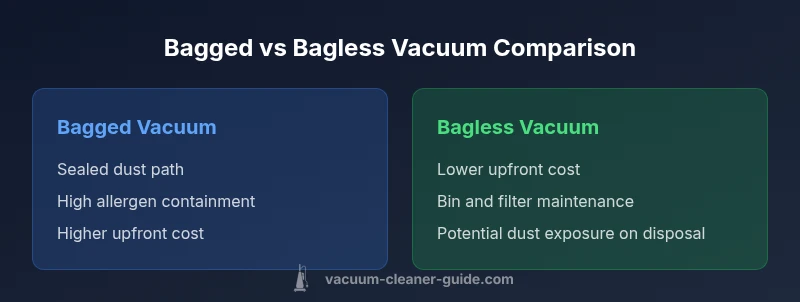
Bagged vacuums generally deliver stronger allergen containment and steady suction, especially when the bag is fresh. Bagless models offer lower upfront costs and easier bin emptying, but ongoing costs for filters and replacements can add up, and suction may fluctuate as bins fill. For homes with pets or allergies, the bagged option is often safer.
Why the Bag vs Bagless Debate Matters
Choosing between a vacuum cleaner with a bag vs bagless is more than a pricing issue. It impacts allergen containment, maintenance frequency, overall running costs, and how convenient the unit is to use day to day. Homeowners and especially pet owners should weigh how often they run their vacuums, what surfaces they clean (carpets vs hard floors), and how sensitive occupants are to dust and dander. The decision affects daily routines, health considerations, and long-term satisfaction with your cleaning setup. In this guide we compare the core differences, highlight real-world tradeoffs, and offer practical scenarios to help you decide based on your needs. The core keyword you’ll see throughout is vacuum cleaner with bag vs bagless, a phrase that captures the two dominant end conditions in modern vacuums.
How Bagged Vacuums Work and Why They Matter
Bagged vacuums rely on a sealed dust path that directs debris into a replaceable bag. When the bag is fresh, airflow remains strong and consistent, contributing to reliable suction. The bag itself acts as the primary containment for dust, allergens, and fine particles. For households with pets or allergy concerns, a properly selected bag and a high-efficiency filtration system can dramatically reduce the escape of irritants back into the room. Maintenance is simple: replace the bag when it’s full, and occasionally check the filters. Because the bag is a dedicated barrier, many users report less exposure to dust during disposal, which is a meaningful factor for sensitive occupants.
How Bagless Vacuums Work and Why They Matter
Bagless vacuums use a reusable dust bin that is emptied when full. They often employ cyclonic separation and multiple filters to capture debris. The advantage is clear: no ongoing bag purchases and typically lower upfront cost. However, suction quality can decline as the bin fills and filters clog, and dust can escape during disposal if the filtration isn't strong or the bin is emptied carelessly. Bagless designs also allow you to visually gauge dirt levels, which some users prefer for timing cleanouts. For homes with tight budgets or those who dislike buying bags, bagless has undeniable appeal, but you should prioritize models with robust filtration to mitigate allergen concerns.
Performance and Filtration: Suction, Dirt, and Allergens
Performance hinges on more than motor watts. Bagged units often maintain consistent suction when the bag is new, thanks to the sealed bag architecture that minimizes leakage. This can be especially important on carpets, high-pile fibers, or thicker debris like pet hair. Bagless units rely on filters and bin design; when the bin fills, suction can dip, and if filters aren’t maintained, airflow drops further. Allergens treatment varies by model: look for HEPA or high-efficiency filters paired with a sealed system in either bagged or bagless configurations to minimize dust recirculation. In damp climates or homes with multiple shedding pets, the containment quality can materially affect indoor air quality.
Ongoing Costs and Maintenance
Bagged vacuums incur ongoing bag replacement costs, which can accumulate over years of heavy use. Bagless models require periodic filter replacements and bin cleaning, which adds a predictable maintenance line item, but you won’t be buying bags. The yearly cost difference between bagged and bagless often depends on usage patterns and local pricing for bags and filters. If you vacuum daily and have a large household, bagged systems can become cost-efficient over time due to reduced filter maintenance and improved containment. In lighter-use homes, bagless may win on upfront affordability and ease of disposal.
Real-World Scenarios: Pets, Floors, and Family Ruzz
Pet owners frequently face more debris, fur clusters, and dander, which tests suction, filtration, and containment. Bagged models with a true HEPA-filtered system tend to trap tiny particles more reliably, reducing the likelihood of re-aerosolization during disposal. For households with mainly hard floors, bagless vacuums with strong filters and versatile attachments can deliver excellent results, especially when paired with a tight-sealing bin. Families with allergies should look for sealed bags, high-quality filtration, and straightforward maintenance routines so that cleaning doesn’t become a health concern.
Floor Type Compatibility and Usability
Hard floors benefit from soft-bristle brushes and efficient suction to lift fine dust without scattering. Carpets, particularly low- to mid-pile, require robust agitation and consistent suction to pull embedded debris. Bagged vacuums often perform well across a range of surfaces because the bag and filter combination minimizes dust re-entry. Bagless models are versatile, but you should select a unit with adjustable height, good brush design, and an effective filtration system to maintain performance as you switch between surface types.
Durability, Warranty, and Brand Variability
Durability in both bagged and bagless categories is highly model- and brand-dependent. Look for well-reviewed brands that offer solid warranties on motors and housings, and verify the availability of replacement parts like bags, filters, and bins. Some customers experience long lifespans from premium bagged models with sealed systems, while others rely on bagless variants with high-quality filters that maintain suction for many years. Warranty coverage can be a decisive factor if you anticipate heavy use or have high expectations for reliability.
How to Choose: A Practical Checklist
- Surface mix: If you have carpets, pets, and allergies, prioritize bagged with a sealed filtration path. For homes with mainly hard floors and tight budgets, bagless with a good HEPA filter can be a strong fit.
- Filtration: Look for HEPA or equivalent filters and sealed systems; ensure the model minimizes dust leakage during disposal.
- Maintenance routine: If you prefer a simple bag-changing routine, bagged is appealing; if you don’t want to buy bags, bagless may suit you better.
- Upfront vs ongoing costs: Compare initial price, bag costs, and filter maintenance over time; choose the path that aligns with your financial tolerance.
- Weight and ergonomics: If you have stairs or multiple rooms, consider the weight and maneuverability; some bagged models are heavier due to their sealed systems, while bagless designs can be lighter but bulkier.
- Warranty and service: Check coverage for the motor and filtration components; plan to buy from brands with good regional support.
Common Misconceptions About Bag vs Bagless
- Myth: Bagless is always cheaper in the long run. Reality: bag replacements for a bagged model can balance or exceed bag costs over time, depending on usage.
- Myth: Bagged vacuums can't handle pet hair. Reality: many bagged vacuums with strong seals and powerful motors excel at pet hair when paired with the right brush tools and filters.
- Myth: Bagless means no maintenance. Reality: bagless still requires regular filter cleaning and occasional replacements to preserve suction.
Summary: When to Choose Bagged or Bagless
For allergy-prone homes and households with shedding pets, a bagged vacuum with a sealed filtration system often provides the best dust containment and consistent suction, reducing irritants in the living space. If you’re budget-conscious, want easier disposal, and don’t mind routine filter maintenance, bagless models offer a compelling value proposition. Your final choice should hinge on your cleaning routine, surface mix, and tolerance for ongoing maintenance.
Next Steps: Using This Guide to Decide
Now that you know the core tradeoffs, use the practical checklist to narrow to two or three models that meet your needs. Compare upfront costs, ongoing costs, filtration rating, and warranty terms. If you’d like a tailored recommendation, we can map your home’s surface profile, allergy considerations, and budget to a short list of bagged vs bagless options that fit your situation.
Comparison
| Feature | Bagged vacuums | Bagless vacuums |
|---|---|---|
| Upfront cost | Generally higher upfront | Typically lower upfront |
| Ongoing costs | Bag replacements required over time | Filter replacements and occasional bin cleaning |
| Suction consistency | Steady until bag nears capacity | May fluctuate with bin fullness and filter clogging |
| Filtration quality | Sealed bag path with potential for high filtration | Relies on filters; quality varies by model |
| Allergen containment | Excellent containment with sealed bags | Containment depends on filtration and user disposal |
| Maintenance effort | Low daily maintenance; bag changes drive upkeep | More frequent empties and filter maintenance |
| Best for pet hair | Strong seals and containment can outperform bagless in fur-heavy homes | Powerful filters help; emptying may release hair |
| Floor versatility | Good across floors with proper attachments | Excellent on multiple surfaces with adjustable heads |
| Weight/ergonomics | Can be heavier due to sealed design | Often lighter due to simpler bin system |
| Durability/warranty | Durability varies by brand; bagged systems often perceived as robust | Quality of filtration and components impacts longevity |
Strengths
- Allergen containment with sealed bags
- Steady suction when bag is new
- Lower daily maintenance in some setups
- Clear bin contents in bagless aid monitoring
- No bag purchases if you already prefer bagless
The Bad
- Ongoing bag replacement costs
- Dust exposure risk when bagless bin is emptied
- Suction can drop as bags fill or filters clog
- Higher upfront cost for bagged models
- Bagless maintenance can be ongoing but not excessive
Bagged vacuums are typically the safer choice for allergy-prone homes and pet owners, while bagless vacuums appeal to budget-minded buyers who want easy disposal.
If your priority is minimize indoor allergens, bagged models with sealed filtration usually win. If upfront cost and easy disposal matter most, bagless models are a reasonable alternative—provided you maintain filters and practice careful disposal.
FAQ
Which is better for homes with pets and allergies, bagged or bagless?
Bagged vacuums with sealed filtration tend to contain more allergens and reduce dust re-entry. Look for HEPA or equivalent filtration and a well-sealed system. Bagless can also perform well if it uses a high-quality filter and proper disposal hygiene.
Bagged vacuums often win for allergies due to sealed bags, but a high-quality bagless with good filters can also work well if you maintain it.
Do bagless vacuums work well on carpets?
Bagless vacuums can perform excellently on carpets when they have strong suction and effective brushes, provided you regularly replace filters and clean the bin. If you have thick or high-pile carpets and shedding, consider a model designed for deep cleaning.
Yes, bagless can work well on carpets if the unit has strong suction and good brushes.
Are bags necessary to maintain suction?
Suction stability depends on the bag’s condition and the filter’s cleanliness. Bagged designs maintain consistent suction until the bag is full; bagless designs rely on filter performance and bin cleanliness to keep airflow high.
Suction stays strong as long as you monitor the bag or bin and keep filters clean.
How do I know when to replace a bag or filter?
There isn’t a universal indicator. Check for noticeable loss of suction, visible bag fullness (for bags), or clogged filters. If you notice reduced performance, inspect both the bag and filters and replace as needed.
Look for reduced suction and visible fullness or clogging to know when to replace.
Which is more cost-effective in the long run?
Long-term costs depend on usage. Bags add ongoing costs for bag replacements; filters and occasional bagless maintenance can add up for bagless models. Compare the annual cost of bags plus maintenance versus filter replacements.
Long-term cost depends on how much you vacuum and how often you replace bags or filters.
Do warranties differ between bagged and bagless models?
Warranty terms vary by brand and model, not by bagged vs bagless type. Check motor, seals, and filtration components, and confirm what parts are covered and for how long.
Warranty varies by model; read the terms for motor and filtration parts.
The Essentials
- Choose bagged for strongest allergen containment.
- Prefer bagless when upfront cost and disposal ease are top priorities.
- Prioritize sealed filtration in either type to reduce dust escape.
- Account for ongoing costs: bags vs filters before buying.
- Test models on your floor types and stairs to gauge usability.
- Check warranty coverage and parts availability for long-term value.