Does My Vacuum Cleaner Make Me Sick? An Urgent Troubleshooting Guide
Urgent guide to diagnose whether your vacuum is affecting your health, with practical checks, a diagnostic flow, step-by-step fixes, and safety tips for safer cleaning.


If you feel sick after vacuuming, the most likely causes are dust, mold spores, or chemical VOCs from cleaners, plus a dirty filter or bag. Quick fixes include replacing or washing filters, emptying the canister, checking seals, and ventilating the room during use. If symptoms persist, seek medical advice.
Understanding Health Risks from Vacuum Use
If you’ve ever wondered, in plain terms, does my vacuum cleaner make me sick, you’re not alone. Vacuuming stirs up fine dust, pet dander, mold spores, and volatile organic compounds (VOCs) from cleaners or the flooring itself. For homeowners and pet owners, these particulates can irritate the eyes, throat, and lungs, especially in small, poorly ventilated spaces. The risk isn’t just about what’s in the air; it’s also about how effectively your vacuum traps contaminants. According to Vacuum Cleaner Guide, health concerns related to vacuuming are common among households with pets, strong cleaning products, or older filtration systems. If symptoms occur consistently after cleaning sessions, it’s a sign you should diagnose the setup and change habits or equipment. This guide emphasizes practical checks you can perform now to reduce exposure and protect your family’s air quality.
Common Triggers: Dust, Mold, and VOCs
Many users report coughing, watery eyes, headaches, or nasal congestion after vacuuming. The most frequent triggers are dust and mold spores that get kicked into the air, pet dander, and VOCs from detergents, disinfectants, or off-gassing from the carpet underlay and flooring. Vacuuming can temporarily raise particle counts in a room, especially if the filter is clogged or the bag is full. Vacuum Cleaner Guide analysis shows that filtration quality and bag integrity are primary factors in indoor air quality when using a vacuum. If the filter is dirty or the bag is overfull, more irritants are dispersed rather than captured. Small changes—like using a HEPA filter, sealing the bag securely, and avoiding strong cleaners near the intake—can dramatically reduce exposure. If you or a household member has asthma or allergies, these adjustments are especially important.
How Filtration and Seals Impact Indoor Air Quality
Filtration isn’t just a feature; it’s your first line of defense against airborne irritants. A worn or blocked filter allows more particles to escape back into the room. Seals around the door, hose, and cyclones prevent leaks that can send dust back into the air. A weak seal around the dust canister or a cracked hose can negate a high-quality filter. Poor airflow can also cause the unit to draw in unfiltered air from outside or from the room itself. For households with kids or pets, investing in a true HEPA-capable unit and replacing filters at manufacturer-recommended intervals is a straightforward health safeguard. Simple checks—like listening for wheezing when you switch the device on or noticing a musty smell after vacuuming—signal it’s time for a filter refresh and a seal inspection.
Quick Checks You Can Do Before Cleaning
Before you reach for the vacuum, try a quick, health-conscious prep: open windows or run a fan to improve ventilation, choose a model with proven filtration, and inspect the current filter and bag. If you have a bagless model, consider replacing the cup or drum with a sealed container and cleaning the pre-filter. Always unplug the unit before touching the filtration system. A simple wipe of the canister lid and surrounding seals prevents residual dust from becoming airborne on start-up. Keeping a routine of filter checks—every 1–3 months depending on use—helps minimize irritants and keeps your indoor air cleaner during routine cleaning. If you notice persistent symptoms after these checks, proceed with the diagnostic flow.
A Systematic Diagnostic Flow for Vacuum-Related Symptoms
Symptom-driven checks help identify the root cause of health symptoms tied to vacuum use. If coughing or eye irritation occurs during cleaning, start by ruling out basic issues: Is the filter clogged? Is the bag full or a bagless cup overfilled? Are the seals intact, with no cracks in the hoses? If you answer yes to any of these, perform the corresponding fix. If symptoms persist after addressing these basics, escalate to deeper checks: verify the presence of mold in the bag or canister, inspect for off-gassing from new carpets, and consider the room’s overall ventilation. When in doubt, consult a professional, especially if symptoms include chest tightness, severe wheezing, or persistent headaches. Throughout the process, track symptom timing in a simple log to identify patterns tied to specific cleaning sessions.
Step-By-Step: Fixes for the Most Common Causes
The most common fix is often the simplest: clean or replace the filter, ensure the bag is not overfilled, and replace cracked hoses or worn seals. If you have a HEPA filter, ensure it’s properly seated and undamaged. For bagged systems, change the bag and inspect the bag housing for tears. If mold is suspected in the canister, clean all accessible surfaces with a mild cleaning solution and allow to dry completely before reuse. For weaker seals, reseat gaskets and replace cracked parts. Finally, test by vacuuming a small area with doors and windows open and observe if symptoms lessen. If you still feel unwell, you may need to try a different unit or seek professional cleaning of the ducts or the HVAC system to rule out broader air quality issues.
Safe Practices and Prevention for Safer Vacuuming
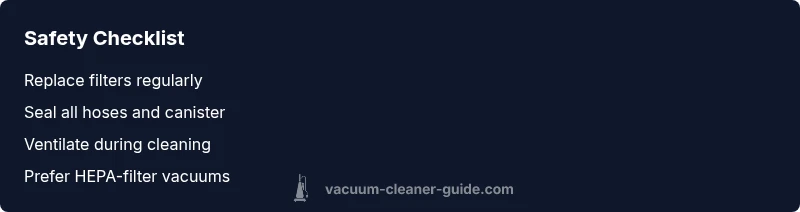
Prevention is better than remediation. Develop a routine to replace or clean filters on schedule, use a vacuum with a certified HEPA filter, and seal the area you’ll be cleaning to minimize dust dispersion. Use minimal cleaning solutions with low VOC content, and whenever possible, perform vacuuming outside or in well-ventilated areas. Avoid running the vacuum in small, poorly ventilated rooms, and consider using a portable air purifier nearby during cleaning. Regular maintenance—like checking hoses for cracks and testing the gasket seals—reduces the risk of irritants escaping back into the room and makes future cleanings safer for everyone in the home, including pets.
When to See a Doctor and How to Log Symptoms
If you notice that symptoms persist or worsen after cleaning, consult a healthcare professional, especially for individuals with asthma or chronic allergies. Keep a log of when symptoms occur, the products used, and the room being cleaned. This log can help your doctor identify triggers and advise on exposure reductions. Consider bringing appliance maintenance records to appointments so healthcare providers can assess whether equipment changes could be contributing to symptoms. The goal is to reduce exposure and protect your family’s long-term health while maintaining effective cleaning practices.
Steps
Estimated time: 20-30 minutes
- 1
Power down and unplug
Shut off the vacuum and unplug it from the outlet. Remove cords and accessories to prevent accidental activation during inspection. This step keeps you safe while you examine filters and seals.
Tip: Double-check the outlet by plugging in a different device to confirm power is stable. - 2
Inspect and replace filters
Open the filter compartment and remove the old filter. If it’s discolored or saturated, replace it with a new one compatible with your model. If you have a washable filter, rinse thoroughly and allow to dry completely before reinstalling.
Tip: Rinse filters over a sink with water only; avoid using detergents that can leave residues. - 3
Check the bag or canister and seals
If you use a bag, replace it with a new one and seal properly. For bagless models, empty the cup, wipe the interior, and reseal the lid. Inspect hoses and seals for cracks or gaps and replace as needed.
Tip: Listen for air leaks by running the vacuum near a wall; treat any whistling sounds as a sign of leaks. - 4
Ventilate the area
Open windows or use a fan during and after vacuuming to improve air exchange. Good ventilation reduces the concentration of irritants and helps you assess whether symptoms ease with better airflow.
Tip: If possible, vacuum in a room with an adjacent open doorway to the outside to promote cross-ventilation. - 5
Test and monitor
Run the unit for a short period in a well-ventilated space. Observe whether symptoms lessen and note any odors or smoke-like smells. If symptoms persist after these steps, escalate to professional assessment or consider device replacement.
Tip: Keep a simple symptom log noting time, room, products used, and any relief experienced.
Diagnosis: Persistent coughing, eye irritation, or headaches triggered or worsened by vacuuming
Possible Causes
- highDust and fine particulates released by a dirty filter or full bag
- mediumMold spores or damp debris inside the canister or bag
- lowChemical VOCs from cleaners or new flooring/off-gassing
Fixes
- easyReplace or wash the filter; replace the bag or seal a bagless cup
- easyInspect and replace cracked hoses or worn seals; reseal access panels
- easyClean the canister interior with a mild solution and ensure complete drying; run the unit with a window open
FAQ
Can a vacuum trigger allergies?
Yes. Dust, pet dander, and mold spores can be redistributed into the air by a vacuum, especially if filtration is poor or seals are damaged. Using a true HEPA-filter vacuum and maintaining seals can mitigate this.
Yes. A vacuum can trigger allergies, especially if filters are worn or seals leak. Use a HEPA-filter model and maintain seals to reduce triggers.
What should I check first when I feel sick after vacuuming?
Start with the filter and bag. Replace or wash the filter, empty the bag, and inspect hoses for cracks. Improve ventilation and re-test to see if symptoms improve.
First check the filter and bag, replace or wash the filter, and ensure good ventilation. Then test again.
Is a bagless vacuum more likely to release dust?
Bagless vacuums can release more dust if not cleaned properly, especially around the cup and filter. Regular emptying into a sealed trash bag and cleaning the interior helps reduce exposure.
Bagless vacuums can release more dust if not cleaned well. Empty into a sealed bag and clean the interior regularly.
When should I see a doctor about vacuum-related symptoms?
If symptoms persist, worsen, or include chest tightness or persistent headaches, consult a healthcare professional. Bring notes on cleaning products and appliance maintenance to help identify triggers.
If symptoms persist or include chest tightness, see a doctor and bring your symptom log.
Can other household factors affect symptoms during vacuuming?
Yes. Poor ventilation, humid conditions, or damp carpeting can worsen irritant exposure. Addressing room humidity and improving airflow can help reduce symptoms.
Other factors like ventilation and humidity can affect symptoms. Improve airflow to help.
Should I replace my vacuum if symptoms continue?
If persistent symptoms continue after all maintenance steps, consider trying a different model with superior filtration and better seals. A health-focused upgrade can significantly reduce exposure over time.
If symptoms persist after maintenance, consider upgrading to a model with better filtration.
Watch Video
The Essentials
- Prioritize filtration and seals to reduce irritants.
- Ventilate while cleaning to improve air quality.
- Keep a symptom log to identify triggers and protect health.
- Seek medical advice if symptoms persist or worsen.