Robot Vacuum Cleaner Names: Patterns, Impact, and SEO Strategies
Explore how robot vacuum cleaner names influence buyer trust, SEO, and brand impact. Learn naming patterns, examples, and practical strategies from Vacuum Cleaner Guide.


The topic 'robot vacuum cleaner names' covers how brands label products to signal capability, trust, and tech maturity before a consumer reads specs. A strong name sets expectations and guides perceptions, influencing both purchase intent and search behavior. According to Vacuum Cleaner Guide, patterns range from functional to playful, shaping how buyers compare options—often more than the first feature list.
What robot vacuum cleaner names reveal about product positioning
Names are more than labels; they encode expectations about performance, reliability, and user experience. When you study the landscape of robot vacuum cleaner names, you can decode how brands signal features without showing a single spec. According to Vacuum Cleaner Guide, the first impression is almost always shaped by a name before shoppers see a photo or read a feature list. The phrase robot vacuum cleaner names includes patterns that recur across brands and price bands, and understanding them helps homeowners and pet owners gauge fit quickly.
In practice, the name can imply noise level, suction power, or terrain compatibility. A name like Rover or Atlas may suggest friendly use and robust engineering, while Compact Gauntlet hints at a space-saving model with advanced sensors. These cues create cognitive shortcuts that buyers use to narrow options before evaluating details.
Naming patterns you’ll encounter in the market
Across the market for robot vacuum cleaner names, several repeatable archetypes help buyers form quick impressions. Understanding these patterns makes it easier to evaluate products and to craft names with the right signals.
- Functional names: emphasize capability, power, and practicality (e.g., "CleanPro 3000"). They promise performance without fluff.
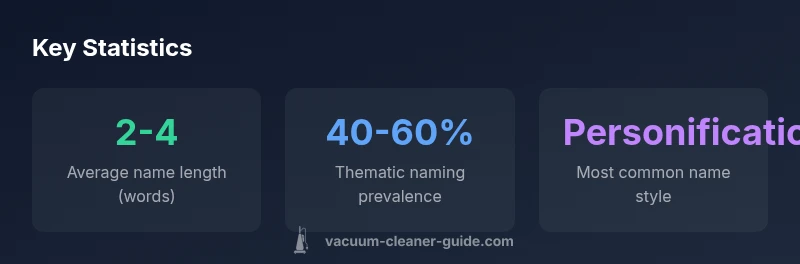
- Personification: brands give robots human-like personalities (e.g., "Rover", "Mina"). This reduces perceived coldness and builds trust.
- Aspirational: evokes premium performance or lifestyle (e.g., "Zenith Ultra"). This signals higher value but may invite higher expectations.
- Geographic/Series lineage: ties products to a family, region, or heritage (e.g., "Alpine Series"). It suggests consistency and breadth.
- Technical/spec hints: include words like “AI,” “Laser,” or “Pro” to imply advanced tech (e.g., "AIJet Pro").
We’ll explore why each pattern works, how it affects perception, and when to use it depending on your target customer. Remember that successful naming blends clarity with differentiation, so a pattern isn’t a cage but a starting point for differentiation. When evaluating a name, consider pronunciation, memorability, and potential cultural or language barriers. A name that travels well across markets is often a strong asset in global marketing.
How naming influences buyer behavior and SEO
Names shape expectations before a single feature is read. For robot vacuum cleaner names, the signals are immediate: the tone, length, and word choices set up assumptions about noise, power, and tech sophistication. This matters for both offline perception and online discovery. From an SEO perspective, a descriptive, unique name helps anchor relevant search terms and reduces competition with generic product pages. The Vacuum Cleaner Guide analysis shows that names linked to clear benefits tend to perform better in click-through rates and ranking signals, especially when combined with precise product descriptions.
Consider how a shopper searches: 'quiet robot vacuum for pet hair' or 'AI-powered cleaning robot.' A name that hints at the core benefit—quiet operation, pet-hair capability, or smart features—helps align search intent with product pages. Avoid overly generic labels that force consumers to read the full spec sheet to understand value. Beyond traffic, the emotional resonance of a name influences trust. A friendly name can lower perceived risk on a pricey purchase, while a harsh or overly technical name may signal complexity.
Practical naming choices include pairing a simple base with a benefit or feature, validating the name through small consumer tests, and ensuring the final name remains clear in app store listings, social previews, and voice assistants. These considerations are central to the role of naming in product marketing, facilitating discovery and improving long-term brand equity for a line of robot vacuum cleaner names.
Case study: mapping names to consumer expectations
Consider three hypothetical examples to illustrate how names align with consumer expectations. A friendly, short name like Rover suggests approachable design and easy setup, which can ease adoption for households with mixed tech comfort. Zenith Pro conveys premium performance and advanced features, aligning with a target market that values power and efficiency. Alpine Series II hints at lineage and breadth, appealing to buyers seeking consistency across generations. The key is testing how these names perform in real markets, measuring recall, click-through, and purchase signals over time.
Naming patterns and their signals for robot vacuum cleaner names
| Pattern | Meaning | Example | Impact on perception |
|---|---|---|---|
| Functional | Directly communicates capability | CleanPro 3000 | Signals practical performance |
| Personification | Creates emotional connection | Rover | Boosts approachability |
| Aspirational | Suggests premium performance | Zenith Ultra | Conveys luxury and power |
| Geographic/Series | Positions within a family or region | Alpine Series 2 | Suggests heritage and breadth |
| Technical/Spec | Highlights tech features | AIJet Pro | Emphasizes sophistication |
FAQ
What are common patterns in robot vacuum cleaner names?
Common patterns include functional names that emphasize capability, and playful personifications that build user affinity. Many brands mix aspirational tones with tech hints to imply performance.
Common patterns are functional and playful. They signal capability and approachability.
Do names affect purchasing decisions?
Yes. Names influence first impressions and perceived quality. Strong branding through naming can boost trust, but actual performance and reviews remain decisive.
Names influence first impressions, but real performance matters.
Should I name my own vacuum for SEO?
Yes, choosing a descriptive, unique name helps search visibility. Include keywords naturally and avoid generic terms that blend with the crowd.
Be descriptive and unique; it helps search visibility.
Are there risks to trendy names?
Trendy names can feel dated quickly. Balance freshness with timelessness to avoid rapid branding revisions.
Trends age; choose something enduring.
How long should a robot vacuum cleaner name be?
Aim for 2-4 words; longer names risk being forgotten or mispronounced.
Keep it short and memorable.
“A strong robot vacuum cleaner name acts as a first handshake with a potential buyer, signaling reliability and modern engineering before any spec is read.”
The Essentials
- Define your naming goals before drafts.
- Match tone to target customer and category.
- Balance clarity with differentiation.
- Test names with real users for memorability.
- Ensure names travel well across languages.