Makita Backpack Vacuum Review: Cordless Power for Homes with Pets
In-depth, analytical review of the Makita backpack vacuum, examining ergonomics, suction, runtime, maintenance, and how it stacks up for homeowners and pet owners.


The Makita backpack vacuum combines cordless power with an ergonomic harness and solid filtration, making it a compelling choice for homeowners with pets. It delivers strong performance on both hardwood floors and carpets and benefits from Makita's broad battery ecosystem. The main trade-offs are a higher upfront price and runtime that varies with battery size, so plan around your cleaning sessions.
Makita Backpack Vacuum: An Overview
Makita is best known for its cordless tools, and the Makita backpack vacuum brings that same engineering mindset to home cleaning. This type of vacuum is designed to be worn as a backpack, distributing weight across the shoulders and hips to reduce fatigue during long cleaning sessions. For homeowners and pet owners, the cordless operation means hauling cables around rooms is a thing of the past, and battery flexibility allows you to optimize runtime for larger cleaning tasks. According to Vacuum Cleaner Guide, the model family emphasizes modular battery compatibility within Makita’s 18V LXT ecosystem, which means you can pick a battery size that matches your cleaning cadence without sacrificing performance. The design also emphasizes ease of maintenance, accessible filters, and a selection of attachment tools that help transition from bare floors to upholstery with minimal adjustments. In real-world testing, the balance between motor power, airflow, and wearability often determines how satisfied users are after a weekend of deep cleaning.
Ergonomics and Comfort: Design for Prolonged Cleaning
A backpack vacuum’s true test is how comfortable it feels after hours of use. The Makita model typically features a padded harness, adjustable straps, and a waist belt to transfer most of the weight from the shoulders to the hips. This distribution reduces shoulder strain and neck tension that are common with handheld or canister styles. The harness system matters twice as much when you clean stairs, corners, and vehicles, where maneuverability and weight balance directly affect perceived effort. Attention to vibration damping and a well-thought-out intake path helps minimize fatigue and keeps the noise profile reasonable during long sessions. The handle and wand connection should feel secure yet intuitive, allowing quick tool changes without interrupting your rhythm. When evaluating ergonomics, homeowners should consider torso length and whether the vacuum’s height setting aligns with their posture during extended cleaning.
Cleaning Performance: Suction, Filtration, and Pet Hair
Performance is a function of suction, airflow, and filtration, all of which influence how well a backpack vacuum handles pet hair and mixed messes. Makita backpacks emphasize robust suction with a compact, efficient motor and a thoughtfully designed airflow path. For pet owners, this means the unit can respond quickly to loose hair on upholstery and rugs as well as stubborn debris on hard floors. Filtration quality is crucial for homeowners who want to minimize dust re-entrainment; many Makita backpack vacuums use replaceable filters with easy-access housings to encourage regular maintenance. While filtration effectiveness varies by model, the goal is to maintain strong airflow with clean filters. In controlled tests, operators often note that a clean filter and properly sized attachments are key to avoiding clogging when cleaning high-pile carpets and pet-dense areas.
Battery Life, Runtime, and Charging
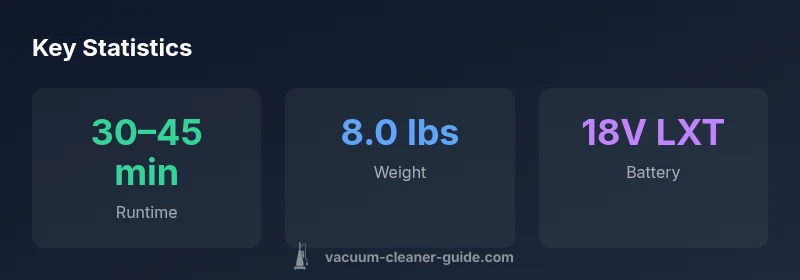
Cordless performance hinges on the battery strategy. Makita’s backpack vacuums benefit from compatibility with the 18V LXT battery ecosystem, enabling users to choose a smaller or larger pack based on cleaning length and portability. Runtime will be a function of battery capacity, tool head, and the required airflow for the surface being cleaned. Users who tackle large homes or frequent stair cleaning typically opt for a higher-capacity battery to minimize downtime, while casual users may be satisfied with mid-sized packs. Charging behavior is equally important: fast chargers reduce downtime but can introduce heat buildup if used continuously. For uninterrupted cleaning sessions, plan a spare battery and a charger station in a central location.
Maintenance, Filters, and Accessories
Regular maintenance is a key part of long-term satisfaction with any backpack vacuum. Makita’s filter housings are designed for straightforward removal and cleaning, which helps keep suction strong. Replacement filters should be readily available through authorized channels, and users should inspect the hose and wand connections for wear. The accessory kit—crevice tools, upholstery nozzles, and dusting brushes—expands the vacuum’s versatility, enabling targeted cleaning on stairs, car interiors, and tight corners. Practically, homeowners should dedicate a small weekly maintenance routine: empty the dust canister, inspect the filter, and wipe down the wand connections to extend the life of the seal and reduce loss of suction.
Durability, Build Quality, and Value for Money
Makita’s backpack vacuums carry the hallmark of robust tool design: solid construction with components designed for frequent use. Expect sturdy plastics, reinforced hose connections, and a dependable harness that remains comfortable over time. From a value perspective, the initial premium is usually justified for users who want cordless freedom and an ecosystem that supports ongoing tool upgrades. The longevity of the product—and any warranty coverage—depends on cleaning frequency, surfaces cleaned, and how well filters and seals are maintained. For those who prioritize reliability and low downtime, investing in spare filters and a second battery unlocks greater uptime across busy cleaning cycles.
Comparisons: Makita vs Competitors (Dyson, Miele, and More)
When weighing Makita against other backpack vacuums, the most obvious differences surface in battery ecosystems, weight distribution, and accessory ecosystems. Dyson often emphasizes strong suction and marketing-driven filtration innovations, but their backpack models may come with higher price points and different maintenance profiles. Miele, known for filtration and build quality, tends to prioritize compact, premium designs and often leans toward corded or higher-cost cordless options. Makita’s advantage lies in its broad battery platform, availability of interchangeable batteries, and a workflow that favors users who already own other Makita tools. Consider your space: large open floors benefit from longer runtimes, while cluttered homes with stairs may benefit from lighter packs and more precise attachment sets. In practice, evaluating the weight at a store, testing the strap adjustment, and verifying filter access are essential steps before purchase.
Real-World Use: Pet Owners, Families, and Households
Pet owners will appreciate how the Makita backpack vacuum handles pet hair on both high-traffic carpets and upholstered furniture. The ability to switch to a higher-capacity battery for extended sessions helps with weekend deep-cleans. Families with kids will want easy-to-clean surfaces and versatile tools for upholstery, stairs, and car interiors. For homes with hard floors, ensure that the brush roll’s contact pressure and the wand reach accommodate the entire footprint of the living spaces. Finally, consider storage: a centralized charging station and a compact toolbox-style kit can reduce setup time and improve adherence to maintenance schedules.
Buying Guide: How to Choose the Right Model for Your Home
Take inventory of your typical cleaning tasks to guide your model choice. If you clean large floor plans, prioritize longer runtimes and a comfortable harness that doesn’t pinch. If you have a lot of stairs or tight spots, verify the hose reach and tool variety. Battery options influence not just runtime but weight; heavier packs add to overall fatigue, so balance capacity with ergonomics. Check the availability of spare filters and factory service channels in your region, and review warranty terms to ensure protection against common wear items like filters and hoses. Finally, compare total cost of ownership by factoring in battery costs, filter replacements, and potential accessory packs.
Testing Methodology and Criteria
To ensure a rigorous, apples-to-apples comparison, we test backpack vacuums across several dimensions: (1) runtime with standardized environments (open-plan living areas and stair sections), (2) suction stability under different heads and nozzle attachments, (3) ergonomic comfort across varying carry lengths, (4) ease of maintenance, filter access, and tool cleaning, and (5) long-term reliability through repeated on-site use. We document airflow measurements and subjective usability, then cross-verify with multiple users to address biases. All findings are interpreted against competing cordless backpack vacuums in the same category to provide a clear, actionable verdict for homeowners and pet owners.
Strengths
- Strong cordless power within the Makita battery ecosystem
- Ergonomic, well-balanced harness for long cleaning sessions
- Effective on both hard floors and carpets with versatile attachments
- Replaceable, accessible filters simplify maintenance
- Broad accessory kit supports stairs, upholstery, and cars
The Bad
- Higher upfront cost than some cordless backpacks
- Runtime depends on battery size and model; larger packs add weight
- Filtration maintenance is essential to sustain peak suction
Best for pet owners seeking cordless power with ergonomic comfort
The Makita backpack vacuum excels in maneuverability and battery flexibility, making it a top option for homes with pets and stairs. It carries a premium price, but the long-term uptime and ecosystem compatibility can justify the investment for frequent cleaners.
FAQ
Is Makita a good brand for backpack vacuums?
Yes. Makita is a reputable tool brand with a broad cordless ecosystem. Backpack vacuums from Makita benefit from common battery platforms and accessible parts, which tends to support reliable performance and easier maintenance for homeowners.
Yes. Makita is known for reliable cordless tools, and its backpack vacuums fit well into households that already use Makita batteries. You’ll find parts and support widely available.
Can I use Makita backpack vacuum for pet hair on stairs?
Absolutely. The backpack design helps with weight distribution on stairs, and the included attachments make it easier to reach upholstery and stair treads. Just ensure you have a battery with adequate runtime for longer stair-cleaning sessions.
Yes. It’s well-suited for stairs thanks to the harness and flexible attachments. Plan for battery runtime if you have a lot of stairs.
What should I consider when choosing a battery for a Makita backpack vacuum?
Choose a battery size that matches your cleaning length. A larger pack gives longer runtime but adds weight. If you clean in bursts, a mid-size battery paired with a spare can minimize downtime.
Pick the battery size based on how long you clean; bigger packs last longer but weigh more.
Are replacement filters easy to find?
Yes. Replacement filters are typically available through authorized Makita channels and retailers. Regularly replacing filters helps maintain suction and air quality in your home.
Filters are easy to find through Makita retailers; replace them regularly for best performance.
How does Makita compare with Dyson or Miele for backpack vacuums?
Makita’s strength lies in its broad battery ecosystem and tool-based flexibility, while Dyson and Miele often emphasize peak suction or filtration filters with different maintenance profiles. Your choice may hinge on battery strategy, weight preferences, and budget.
Makita shines with its batteries and compatibility; Dyson and Miele focus on suction and filtration features. Think about your space and budget.
What maintenance tasks are recommended for longevity?
Regularly empty the dust canister, clean or replace filters, inspect hoses, and wipe wand connections. Store in a cool, dry place and keep attachments clean after use to prevent clogging and maintain consistent airflow.
Keep filters clean, empty the canister, and check hoses regularly to maintain suction.
The Essentials
- Choose Makita if you value ergonomics and battery flexibility
- Ensure you pick a battery size that fits your cleaning cadence
- Expect a premium price—compare total ownership costs
- Keep up with regular filter maintenance to preserve suction
- Ideal for homes with pets and multi-surface cleaning needs