Dyson V7 Cordless Vacuum Review: An Analytical Evaluation for Homeowners
A thorough, balanced review of the Dyson V7 cordless vacuum, covering performance on pet hair, runtime, attachments, maintenance, and long-term value for homeowners.


The dyson v7 cordless vacuum stands out as a solid mid-range option among cordless vacuums, delivering strong suction, a versatile attachment set, and straightforward maintenance. Vacuum Cleaner Guide analyzes its run time, cleaning performance across surfaces, and long-term value to help homeowners decide if the V7 fits their pet-friendly homes.
Historical context and positioning in the Dyson lineup
The Dyson V7 cordless vacuum arrived as a bridge between the earliest cordless Dysons and the more powerful newer generations. It used a Dyson digital motor V7 and a cordless design that emphasized convenience and modular cleaning—short bursts of power for quick cleans, with a battery that could be swapped by some configurations. In practice, the V7 targeted households needing a lighter instrument for daily use rather than full-home deep cleaning. According to Vacuum Cleaner Guide, this model is especially relevant for pet owners who want a nimble machine for pet hair removal on low- to mid-pile carpets and hard floors. The product ecosystem around the V7 includes a motorized brush head and several attachments, making it a flexible tool for apartments or smaller homes where storage space is at a premium.
Design and ergonomics: handling and build quality
From a hands-on perspective, the V7 feels balanced and comfortable for extended cleaning sessions. Its slim wand, rounded grip, and relatively low weight reduce fatigue during stair work or upper-floor cleanups. The materials feel sturdy enough for daily use, though the housing is still plastic. The vacuum’s overall silhouette favors maneuverability over pure rugged durability. The power switch is easy to reach, and the wand integrates smoothly with most Dyson tools. Prospective buyers should note that the dustbin is clear and easy to empty, a plus for users who want to see when it’s time to dump debris.
Cleaning performance on carpet vs hard floors
On low- to mid-pile carpet, the V7’s motorized head offers solid agitation for embedded particles, while hard floors don’t present excessive resistance thanks to the soft-roller or standard brush options in certain bundles. In practice, the machine excels at quick cleans around chair legs, under furniture, and in tight corners. For hair and fine dust, the multi-stage filtration system helps maintain suction as debris loads accumulate. However, ultra-deep cleaning on dense high-pile carpets can reveal the V7’s power limitations compared with newer models that feature stronger digital motors. Homeowners with a mix of hard surfaces and carpets will generally be satisfied, particularly when leveraging the included attachments for edge cleaning and upholstery.
Battery life and charging realities
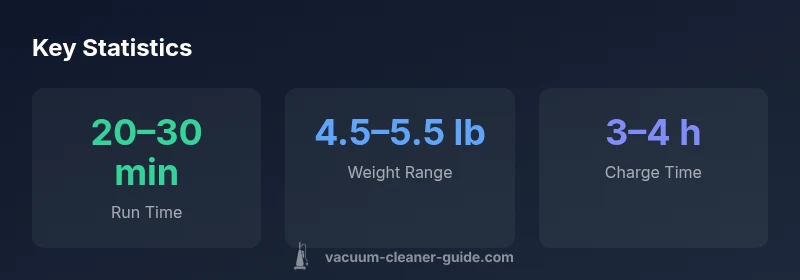
Real-world runtimes depend on mode, attachment, and surface. In standard mode with typical head attachments, expect roughly 20–30 minutes of usable runtime, which is ample for quick cleans in many homes. Activating higher suction modes or using motorized tools can reduce runtime noticeably. The V7’s charging system is straightforward: a dedicated dock or charger is provided, and replenishing the battery takes a few hours. For households with larger cleaning needs, it’s worth budgeting for longer sessions or a spare battery in some bundles. The key takeaway is that battery longevity remains adequate for most daily chores, but not a full-home marathon clean.
Attachments and versatility: converting for stairs, upholstery
The V7 family includes a motorized cleaning head designed for carpets, a crevice tool for tight gaps, and a mini motorized tool for furniture and upholstery. These attachments expand the vacuum’s usability beyond standard floor cleaning, enabling rapid transitions between surfaces without swapping machines. Some bundles offer additional tools, such as a soft dusting brush or a second head, which can help with delicate surfaces or stubborn dirt. The interchangeability and compact storage of tools are a strong selling point for renters or homeowners with limited closet space.
Filtration and indoor air quality
Dyson’s V7 incorporates a multi-stage cyclone system paired with a washable filter. This design helps capture fine dust and improves suction consistency as debris loads change. Regular maintenance—such as washing the filter and emptying the bin—helps maintain performance over time. While the filtration system is effective for typical household dust and dander, users with severe allergies should consider models with more advanced filtration or HEPA-grade configurations for enhanced air quality. Overall, filtration is adequate for daily use and aligns with the expectations of pet-owning households.
Maintenance, durability, and common failures
Maintenance demands are modest but not negligible. Regularly empty the dustbin, wash or replace filters as recommended, and check the motorized head for wear. Over time, plastic housings can show scuffs, and the battery’s capacity gradually declines with repeated charging cycles. A common issue in aging units is reduced suction due to clogged filters or worn brushes; clearing blockages and replacing worn components is straightforward in most cases. Dyson’s support ecosystem remains accessible for parts, but sourcing specific replacement batteries can become less convenient as older generations phase out.
Comparisons with direct competitors and upgrade paths
Against newer cordless vacuums, the V7 offers lower upfront cost but shorter runtime and somewhat older battery technology. It remains attractive for buyers prioritizing light weight and ease of use over top-tier suction power. When comparing with mid-range V8 or V10 models, the V7 often loses in sustained runtime and peak suction but wins on maneuverability and price. Upgrading may be appealing for households with larger areas or higher cleaning demands, but for compact living spaces and occasional deep cleaning, the V7 can still be a reasonable starter or secondary unit.
Value proposition: price trends and long-term costs
From a value perspective, the V7’s price point is more accessible than newer Dyson models, which makes it appealing for budgets or as a secondary tool for specific tasks. Long-term costs include replacement filters and occasional tool upgrades. In practice, the total cost of ownership depends on how intensively the vacuum is used and how well the unit is maintained. For pet households and busy families, the V7’s balance of weight, convenience, and tool variety can justify the investment, provided expectations align with its performance envelope.
Upgrade considerations: what changed in newer Dyson models
Newer Dysons introduce larger batteries, refined filtration, and more robust motors, often delivering longer runtimes and stronger suction. The V7, by comparison, is leaner and lighter, with simpler electronics. Upgrading to a V8, V10, or V11 brings tangible improvements in battery technology and endurance, but at a higher cost. If you’re already comfortable with the V7’s performance and don’t require the latest enhancements for large homes or heavy pet hair, staying with the V7 can be sensible. If you want the best possible cordless experience, evaluate the newer models against your cleaning needs and budget.
Practical cleaning scenarios: pet hair, debris, high-traffic areas
Pet hair on upholstery or stairs is a frequent use case for the V7. The motorized brush head helps pull hair from fibers, while the crevice tool handles tight corners and gaps. In living rooms with high foot traffic, the V7 can tackle daily dust and debris effectively, but large cleanups may demand more time or a bigger machine. For kitchens and entryways, hard surface attachments enable quick sweeping-like action without dragging a heavy appliance. Overall, the V7 shines in quick, nimble cleans rather than long, deep scrubs, aligning with homeowners who value convenience over brute force cleaning.
The science behind the V7’s design: motor, battery, cyclones
At the heart of the V7 is a compact digital motor designed for efficiency and speed. The cyclone arrangement helps separate dust from airflow, reducing clogging and maintaining suction. Battery chemistry prioritizes a balance between weight and runtime, resulting in a light unit that doesn’t always sustain peak power during extended sessions. While not the most advanced in Dyson’s lineup, the V7 demonstrates solid engineering for a cordless vacuum, delivering reliable performance for everyday tasks and small apartments.
mainTopicQueryForWikidataLookup:
Strengths
- Strong everyday suction for a cordless model
- Lightweight and well-balanced for stairs
- Wide attachment assortment for hard-to-reach areas
- Simple maintenance with washable filters
The Bad
- Run time can be limited on high-suction modes
- Dustbin capacity is small for larger cleanups
- Older motor tech means newer models may offer longer battery life
Best for light-to-moderate cleaning in small to medium homes with pets
The Dyson V7 cordless vacuum provides dependable everyday performance and ease of use. While it trails newer models on peak suction and runtime, its balance of weight, attachments, and price makes it a practical option for homeowners seeking simple, reliable cleaning.
FAQ
Is the Dyson V7 cordless vacuum still worth buying in 2026?
Yes for buyers seeking a lightweight, pet-friendly cordless with reliable everyday performance and a broad accessory set. It won’t top newer models in raw power or runtime, but it remains a solid value in smaller homes or apartments.
The V7 is still worth considering for light-to-moderate cleaning, especially if you want a lighter, easy-to-use cordless.
How long does the battery last and can it be replaced?
The V7 typically delivers 20–30 minutes of runtime in standard mode, depending on tool and surface. The battery is user-replaceable in some configurations, but replacement parts may be harder to source as models age.
Expect around half an hour of use on a typical clean.
What attachments come with the V7?
The V7 ships with a motorized tool for carpets, a crevice tool, a mini motorized tool for upholstery, and a combination tool. Some bundles add a soft dusting brush as well.
You’ll have tools for carpets, upholstery, and tight spaces.
How does the V7 compare to newer Dyson models?
Newer models typically offer longer run times, more efficient batteries, and updated filtration. The V7 remains competitive on price and weight but lags in peak suction and overall battery technology.
Newer Dynsons improve runtime and power, but the V7 is lighter and cheaper.
Is the V7 good for pet hair?
Yes, with the motorized brush and strong suction, it handles pet hair on low- to mid-pile carpets and upholstery. For heavy shedding, you may prefer higher-end models with more power.
Pets? It does okay on most pet-hair tasks.
Can I use the V7 on hardwood floors?
Yes, it cleans efficiently on hardwood with the hard floor brush and minimal debris scatter. You’ll want to avoid grit-packed areas or use a soft roller brush to reduce scratching.
Great on hardwood with the right attachments.
The Essentials
- Choose for lightweight handling and quick cleanups
- Expect solid performance on low- to mid-pile carpets and hard floors
- Be mindful of bin size and battery life for larger cleans
- Regular filter maintenance supports consistent suction