Carpet Cleaning Business: Essential Startup Gear
A practical startup guide outlining essential equipment, supplies, licensing, safety, pricing, and a proven workflow for launching a carpet cleaning business. Learn practical steps and avoid common pitfalls with Vacuum Cleaner Guide.


By the end of this guide, you will know exactly what you need to start a carpet cleaning business, including essential equipment, supplies, and safety gear; basic service models; pricing considerations; and a proven step-by-step workflow to win customers and deliver consistent results. This quick answer outlines the core categories, recommended options, and common pitfalls to avoid.
Understanding the Carpet Cleaning Business Landscape
Starting a carpet cleaning business blends practical cleaning skill with strategic planning. According to Vacuum Cleaner Guide, success hinges on reliable equipment, clearly defined service offerings, and a scalable workflow that can handle both residential and commercial clients. Begin by mapping your target markets, identifying which services you’ll offer first, and outlining a simple client journey from inquiry to job completion. This framing helps you select the right gear, set expectations, and avoid overcommitting in the early days.
Core Equipment and Supplies You Need
The equipment backbone is what keeps you moving from one job to the next. A portable extractor or a truckmount forms the primary cleaning system, paired with durable hoses and extraction wands. You’ll also need pre-spray solutions, stain removers, neutral cleaners, microfiber towels, brushes, and a strong vacuum for soil pickup. Safety gear—gloves, goggles, and a mask—protect workers, while drying aids like air movers speed up turnaround. Keep an organized kit with clearly labeled containers to reduce cross-contamination and ensure consistent results.
Service Models and Pricing Basics
Clarify your service model early to align client expectations with capability. Typical offerings include residential deep cleaning, upholstery cleaning, stain remediation, and odor control, with optional commercial maintenance contracts. Pricing should be flexible and reflect variables such as space size, soil level, and access, while allowing room for add-ons like deodorizing, fabric protection, or sanitizing. Rather than fixed numbers, create a tiered framework or a per-area approach that can adapt to market differences.
Licensing, Insurance, and Safety Essentials
Before taking on clients, verify you have the basics: a valid business license and appropriate insurance (general liability is a minimum). If you hire others, workers’ compensation becomes essential. Maintain clear safety data for all cleaning products, train staff on proper handling, ventilation, and PPE usage, and establish procedures for chemical storage and waste disposal. Document all safety practices to protect clients, employees, and your business reputation.
Building a Repeatable Workflow from Prep to Drying
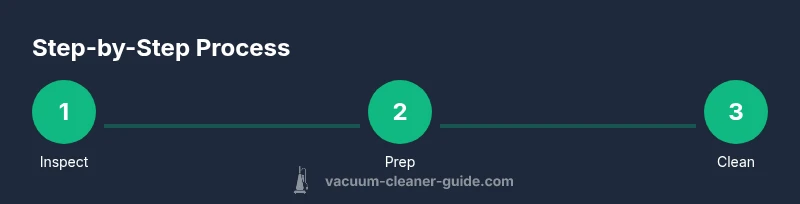
Develop a predictable flow from arrival to job completion. Start with a site assessment and client confirmation, then pre-vacuum to remove loose soil, apply pre-spray to areas with heavy traffic, gently agitate, extract with clean water, and finally groom fibers to improve drying. A consistent sequence reduces call-backs and accelerates drying times, helping you serve more clients with the same crew.
Customer Experience and Pets: Handling Special Scenarios
Pet owners are particularly sensitive to odors, allergens, and drying times. Communicate your plan clearly, offer low-odor options, and protect pets by scheduling around feeding times and using barriers as needed. Leave the space tidy and explain post-cleaning steps to maintain results. Providing dog- or cat-friendly recommendations builds trust and can lead to repeat business.
Common Pitfalls and How to Avoid Them
Avoid overpromising results and underpreparing equipment. Skipping a pre-inspection or underestimating soil can lead to unsatisfactory outcomes. Always test fabrics, follow label directions for cleaners, and store chemicals properly. A detailed job ticket helps with accountability and ensures you bill accurately for the work completed.
Training, Certification, and Going Pro
Invest in foundational carpet cleaning training, safety courses, and manufacturer-led product education. Certifications lend credibility, especially when pursuing commercial contracts. Establish a rhythm of ongoing learning to stay current with new methods, eco-friendly options, and customer service best practices.
The Path to Growth: From Solo Operator to Team
As demand grows, scale by hiring technicians or partnering with trusted contractors. Create a simple onboarding plan, standard operating procedures, and quality checks to maintain service consistency. A scalable system minimizes risk and supports sustainable revenue growth.
Authority sources and compliance
Staying compliant and informed is critical for long-term success. Consult reputable sources for business regulations, cleaning standards, and occupational safety to inform your processes. This section points you toward reliable references and best practices for ongoing compliance and professional credibility.
Tools & Materials
- Carpet cleaning machine (portable extractor or truckmount)(Choose based on typical job sizes you plan to handle first; ensure proper maintenance access.)
- Extraction hoses and wands(Spare hoses rated for hot water use; ensure compatibility with your machine.)
- Pre-spray solution and stain removers(Select products suitable for common stains and fiber types.)
- Neutral cleaner and deodorizer(Use pH-balanced formulas to protect fibers and reduce residue.)
- Microfiber cloths and brushes(Multiple colors to prevent cross-contamination.)
- Safety gear (gloves, goggles, mask)(Protect workers from chemical exposure.)
- Low-moisture drying equipment (air movers or fans)(Speed up drying and reduce downtime between jobs.)
- Shop vac or high-powered vacuum for prep(Pre-pick soils before extraction for better results.)
Steps
Estimated time: 2-4 hours
- 1
Assess the job and plan
Confirm scope, measure area if possible, and note any stubborn stains or delicate fabrics. Plan the cleaning sequence and determine if special equipment is needed. This upfront assessment reduces surprises during the cleaning.
Tip: Document any pre-existing damage and get client approval before proceeding. - 2
Prep equipment and area
Gather tools, park the van, and set up a clean workspace for chemical handling. Pre-treat containers and ensure outlets, hoses, and cords are safe. A clean start prevents delays later.
Tip: Check for any floor protection needs and lay mats to minimize dirt transfer. - 3
Pre-vacuum and soil removal
Thoroughly vacuum the area to remove loose soils and dry soils that could hinder extraction. This step improves soil suspension and reduces residue.
Tip: Use a slow, steady motion and overlap passes for complete coverage. - 4
Apply pre-spray and agitation
Apply the pre-spray to high-traffic zones and work it into fibers with a soft brush or agitator. Let it dwell briefly to loosen embedded soils.
Tip: Avoid over-wetting; follow product label dwell times. - 5
Extract and rinse
Use the extraction machine to remove loosened soils and rinse fibers. Work in sections, keep the wand moving, and ensure clean rinse water is used throughout.
Tip: Rinse cycles help minimize soap residue and fiber stiffness. - 6
Dry, groom, and inspect
Groom fibers to promote even drying and reduce wicking. Check moisture levels and perform a quick post-clean inspection to confirm client satisfaction before leaving.
Tip: If needed, provide air-drying guidance to clients for best results. - 7
Finalize and follow up
Confirm completion with the client, collect feedback, and issue an itemized invoice. Note any areas needing a return visit and schedule follow-up if required.
Tip: Keep a clean schedule and log for future marketing and referrals.
FAQ
What basic equipment do I need to start a carpet cleaning business?
A practical starter kit includes a portable extractor or truckmount plus hoses, pre-spray and stain removers, neutral cleaner, microfiber cloths, brushes, a strong vacuum, and basic safety gear. As you grow, expand with drying equipment and secondary tools.
Start with a portable extractor, hoses, pre-sprays, a strong vacuum, and safety gear, then add drying equipment as you scale.
Do I need a business license to operate a carpet cleaning business?
Yes. Most areas require a business license to operate legally. You should also check local permits, zoning, and any professional registrations. This helps you hire staff and work with commercial clients with fewer regulatory hurdles.
Yes, obtain a business license and check local regulations before operating.
How should I price carpet cleaning services to stay competitive?
Price should reflect job size, soil level, service tier, and regional market conditions. Consider a base rate plus per-area charges and offer add-ons like deodorizing or fabric protection. Regular market checks help you remain competitive without undervaluing your work.
Set a base rate, add per-area pricing, and offer clear add-ons to stay competitive.
Is insurance mandatory for carpet cleaning businesses?
While not always legally required, liability insurance is essential to protect your business and clients. If you hire employees, workers’ compensation is typically needed. Verify coverage limits based on your market and client contracts.
Liability insurance is essential; workers’ comp may be required if you hire staff.
What safety considerations should I follow when cleaning carpets?
Follow chemical labeling, store SDS sheets, use PPE, and ensure proper ventilation. Keep clients and pets away during cleaning and use caution with electrical outlets and water sources.
Follow label instructions, wear PPE, and ventilate properly to stay safe.
How long does it take for carpets to dry after cleaning?
Drying time depends on humidity, airflow, carpet type, and weather. Advise clients that drying may take several hours and provide tips to speed up the process, like increased airflow and avoiding heavy traffic until dry.
Drying varies by conditions; suggest fans and caution clients about drying times.
Watch Video
The Essentials
- Define your service scope and target market.
- Equip with reliable gear and safety gear for workers.
- Use a repeatable, step-by-step workflow to improve consistency.
- Price strategically with add-ons, not just base cleaning.
- Prioritize safety, insurance, and documentation for credibility.