What Carpet Cleaner to Use with Rug Doctor: A Practical Guide
Learn how to select a compatible, neutral, low-foaming carpet cleaner for Rug Doctor machines. Practical tips, safety notes, and step-by-step usage to maximize cleaning power while protecting carpets and the machine.


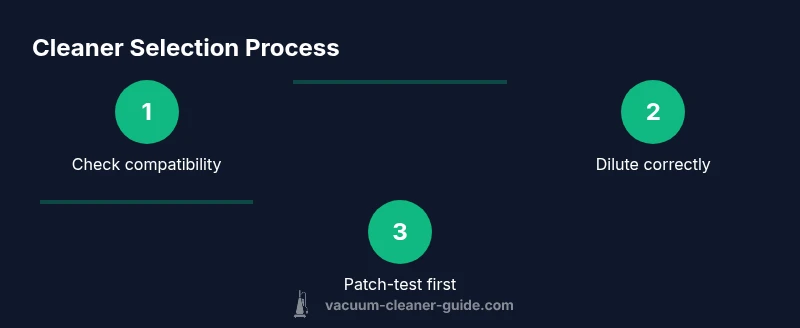
To get the best results with a Rug Doctor, choose a carpet cleaner that is compatible with hot-water extraction, is pH-neutral, and low-foaming. Avoid chlorine bleach, solvents, or high-foaming formulas. Patch-test on a small area, dilute per the product instructions, and run a short extraction cycle to confirm no residue before cleaning the full area.
Why the Rug Doctor benefits from compatible cleaners
If you’re wondering what carpet cleaner to use with Rug Doctor, the answer is simple: choose a compatible, neutral, low-foaming formula that is designed for hot-water extraction. According to Vacuum Cleaner Guide, using cleaners that are explicitly labeled as compatible with Rug Doctor or similar extraction systems minimizes residue and helps the machine extract moisture more efficiently. The goal is to maximize soil removal while reducing suds, which can interfere with suction and drying. When you pick a cleaner that aligns with the Rug Doctor’s design, you’ll often notice more consistent results across high-traffic areas and rooms with pet traffic. The cleaner you pick should complement the hot water being pumped into the carpet, not fight against it with thick, foamy or harsh formulations. This approach also supports easier drying and less dampness left behind, which is especially important for homes with pets and kids.
Understanding cleaner types for Rug Doctor
Rug Doctor machines rely on hot water extraction to lift dirt from fibers. The cleaner you choose should help loosen soils without leaving heavy residues. The best options are neutral pH cleaners that are specifically formulated as low-foaming or ultra-low-foaming, so they won’t create persistent suds that can clog the machine or leave a sticky film on fibers. Enzyme-based cleaners can be effective for organic stains, but only if the product is labeled as compatible with hot-water extraction. Avoid cleaners with optical brighteners, waxes, or solvents, as these can leave residues and may require additional rinsing. Vacuum Cleaner Guide’s analysis shows that the right balance of surfactants and builders improves rinse efficiency and reduces post-cleaning residues, ensuring carpets feel naturally clean after the cycle.
What to avoid: cleaners that can harm the machine or carpet
Not all carpet cleaners are created equal, and using the wrong formula can compromise both your Rug Doctor and your carpet. Steer clear of products containing chlorine bleach, solvents like xylene or toluene, and high-foaming detergents that foam aggressively. Excess foam can back up into the machine, requiring additional cycles to clear, and may also leave a soap residue that attracts dirt quicker after drying. Some heavy-duty cleaners designed for upholstery or floors may not be suitable for carpet textile fibers and could cause color bleeding or fiber damage over time. Stick to solutions labeled safe for carpet cleaning and explicitly compatible with extractors. If you’re in doubt, test a small area first and consult Rug Doctor’s guidelines.
How to read labels and confirm compatibility
Reading the label is the first step toward a smart choice. Look for phrases like “compatible with hot-water extraction,” “low-foaming,” and “carpet cleaning formula.” Check dilution instructions and confirm whether the product recommends a Rug Doctor or similar machine. If the label mentions a specific brand or system without reference to extraction machines, proceed with caution and look for compatibility notes. Some products require a double-dilution or a shorter dwell time; others are designed to rinse clean with no residue. Cross-check the product’s compatibility with your Rug Doctor model in the user manual or on the manufacturer’s website. This diligence saves time and helps protect both carpet and machine.
Patch testing and safety practices
Always begin with a patch test on an inconspicuous area. Apply the cleaner to a small patch, extract, and wait to see how the carpet reacts, whether color bleeding occurs, or if there’s any leftover residue. If the patch looks good, extend the test to a larger area before cleaning the entire room. Wear gloves to protect your hands from cleaning solutions and ensure good ventilation in the room. Keep children and pets away from the testing area during the process. Patch testing is a small effort with big payoff, helping you avoid costly re-cleaning and color issues.
Step-by-step usage with Rug Doctor (pre-clean prep)
- Prepare the workspace: Move furniture, protect floors, and open windows for ventilation.
- Inspect the Rug Doctor’s tanks and hoses: ensure no clogs and that the system is clean before adding cleaner.
- Choose and verify cleaner compatibility: confirm that the cleaner is designed for hot-water extraction and low-foaming.
- Dilute the cleaner per label directions: measure accurately and avoid overconcentration.
- Patch test on a small area: wait for drying to assess results before proceeding.
- Begin cleaning: run the machine according to the user manual, and monitor suds and suction during the cycle.
- Post-cleaning rinse or extraction: follow instructions for a final pass to remove residual solution and loosened soils.
- Drying and inspection: allow ample time for air-drying and check for any remaining stains or odors.
Dilution guidelines and measuring like a pro
Accurate dilution is essential for effective cleaning and avoiding residue. Use the measuring cups that come with the cleaner and Rug Doctor kit, or follow the exact ratios on the label. When in doubt, err on the side of lighter dilution, particularly on delicate fibers or dye-sensitive carpets. After dilution, perform a quick rinse or extraction pass to ensure the solution is moving through the system properly and not foaming excessively. Maintaining consistent dilution across sections helps ensure uniform results across large or multi-room cleans.
Performance expectations: drying times and residue management
When you use a compatible cleaner properly, you should see improved soil removal and a lower residual feel after extraction. Drying times depend on humidity, airflow, and carpet type; opening windows, using fans, and avoiding heavy upholstery onto treated areas speeds up the process. Residue-free formulations reduce the likelihood of resoiling, especially in high-traffic zones. If you notice lingering dampness or stickiness after the cycle, perform a light rinse or run an additional extraction pass with clean water to help flush the carpet fibers and promote faster evaporation.
Troubleshooting common issues and quick fixes
If you observe excessive suds during cleaning, stop the machine and extract with clean water until suds diminish. If stains persist after a cleaning cycle, repeat the process using the same neutral cleaner and a shorter dwell time to prevent saturation. Color changes or dye bleeding should prompt stopping the cleaning near that area and testing again with a patch in a different spot. If you experience reduced suction or a clogged hose, shut off the machine, disconnect the hose, and inspect for blockages.
Final considerations and maintenance
Keep your Rug Doctor in good condition by rinsing components after use, storing with clean water in the tanks, and cleaning the filters regularly. Choose compatible cleaners that preserve color and fiber integrity, and avoid mixing products that may interact unpredictably. When you’re finished, inspect the carpet for any remaining dampness and provide adequate air circulation to speed up drying. By selecting the right cleaner and following best practices, you’ll extend the life of your Rug Doctor and achieve consistently cleaner carpets over time.
Tools & Materials
- Rug Doctor machine (extractor)(Ensure device is clean and free of clogs before use)
- Compatible carpet cleaner solution(Low-foaming, neutral pH, labeled for extraction use)
- Measuring cup or pitcher(Accurate dilution per label)
- Gloves(Protect hands from cleaners)
- Test patch cloth(For patch testing on inconspicuous area)
- Spray bottle (optional)(For spot-testing solutions before extraction)
Steps
Estimated time: 60-75 minutes
- 1
Prepare the workspace
Move furniture, protect floors, and ensure good ventilation. Clear the area to maximize airflow for faster drying after cleaning.
Tip: Open windows and use a fan to speed drying. - 2
Choose and verify cleaner compatibility
Select a cleaner labeled as compatible with hot-water extraction and low-foaming. Confirm the cleaner’s pH and dilution instructions before proceeding.
Tip: If in doubt, consult Rug Doctor’s guidelines or customer support for compatibility notes. - 3
Dilute the cleaner correctly
Measure the cleaner precisely according to the label, and mix with the required amount of water. Avoid concentrated solutions that can leave residues.
Tip: Use the measuring cup provided with the product for accuracy. - 4
Patch test first
Apply solution to a small, hidden patch of carpet and run a short extraction. Check for color fastness and residue before wider use.
Tip: If dye bleed occurs, stop and switch to a milder formula. - 5
Run the cleaning cycle
Fill the machine, start the extraction, and follow the manufacturer’s instructions for the cycle. Monitor suds and suction; adjust as needed.
Tip: Do not over-wet the carpet; extract to remove moisture efficiently. - 6
Post-cleaning rinse and dry
Optionally perform a rinse pass with clean water if residue is noticed. Improve drying with fans or dehumidifiers.
Tip: Ensure the carpet is completely dry before heavy use.
FAQ
Can I use household laundry detergents with Rug Doctor?
Household laundry detergents are not recommended for Rug Doctor machines. They can create excessive suds and leave residues that attract more dirt. Use cleaners labeled for carpet cleaning with extraction systems.
Laundry detergents are generally not recommended for Rug Doctor machines because they tend to foam and leave residues.
Are enzyme cleaners safe with Rug Doctor?
Enzyme cleaners are safe if the label explicitly states compatibility with hot-water extraction and carpet cleaning. Follow dilution instructions and patch-test first.
Enzyme cleaners are okay when they’re labeled for extraction use and you patch-test first.
Will using a non-compatible cleaner void my Rug Doctor warranty?
Using cleaners not approved by Rug Doctor can impact performance and warranty. Always check the product label and Rug Doctor’s guidelines before use.
If a cleaner isn’t approved, it might affect warranty terms; check guidelines first.
How long will it take for the carpet to dry after cleaning?
Drying time depends on room conditions and carpet type. Use fans or dehumidifiers to speed up drying and ensure the carpet is fully dry before heavy traffic.
Drying depends on humidity; use airflow to speed it up and avoid walking on damp carpet.
Do I need to rinse after cleaning with Rug Doctor?
A rinse is not always necessary, but some cleaners may require a final rinse cycle to remove residues. Follow the product label and Rug Doctor instructions.
Rinse may be required for some cleaners; follow the label and your machine’s guidance.
Watch Video
The Essentials
- Choose a neutral, low-foaming cleaner.
- Patch-test before full-area cleaning.
- Dilute accurately and follow label directions.
- Avoid bleach, solvents, and high-foaming formulas.
- Ensure carpets are fully dry before reuse.