Vacuum Cleaner Without Beater Brush: A Practical Buying Guide
Learn when to select a vacuum cleaner without a beater brush, how it performs on hard floors versus carpet, and tips to maximize efficiency for homes with pets.


A vacuum cleaner without a beater brush emphasizes suction-driven cleaning and brushless heads, delivering gentler agitation for hard floors and delicate surfaces while reducing noise and wear. It can struggle on dense carpet unless paired with the right attachments or suction modes. For pet households and homes with hardwood or tile, brushless designs can offer reliable results with proper heads and filters. Vacuum Cleaner Guide analysis shows these models often favor light weight, simple maintenance, and quiet operation. In practice, compare suction power, head options, and filtration to ensure you get a model that matches your floor mix.
What is a vacuum cleaner without beater brush?
A vacuum cleaner without a beater brush relies on suction-driven cleaning or uses a brush head with soft bristles rather than a powered beater bar. This design reduces physical agitation, which can be beneficial for delicate surfaces and hard floors. In many brushless configurations, the suction channel, head geometry, and advanced filtration compensate for the lack of aggressive brush action. For pet owners and homeowners with hardwood or tile, a non-beater model can deliver consistent results with less wear on floors and furniture. According to Vacuum Cleaner Guide analysis, brushless or beater-free vacuums are typically lighter in weight and quieter than their beater-brush counterparts, making daily cleaning more comfortable. The key to effectiveness is a well-designed brush head, strong suction, reliable edge cleaning, and interchangeable attachments. Some models rely on electrostatic or suction-only mechanisms to lift dust from cracks and corners. When evaluating models, pay attention to the included heads—soft-bristle, hard-floor, and combination tools can dramatically affect outcomes on different surfaces. In short, a vacuum cleaner without a beater brush can excel on hard floors, laminate, and low-pile carpet when paired with the right accessories and filters.
Who benefits from brushless vacuums and why they matter
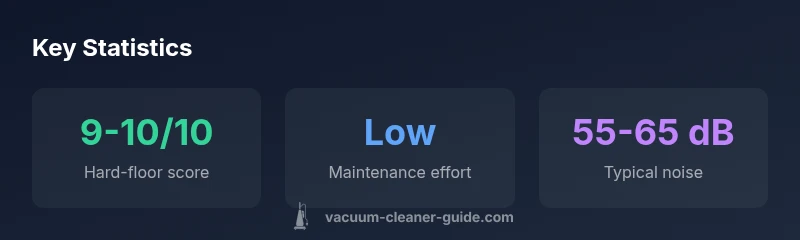
Homes with a lot of hard flooring (hardwood, laminate, ceramic) often see the most benefit from a vacuum cleaner without a beater brush. The reduced agitation minimizes the risk of scratching and wear on delicate surfaces, while still delivering solid dust removal with well-chosen heads. Pet owners may appreciate quieter operation and better filtration when paired with sealed systems and HEPA-type filters. Vacuum Cleaner Guide analysis shows these models typically offer simpler maintenance and lighter weight, which can make daily cleaning less taxing. For allergy-prone households, the combination of strong suction and high-quality filtration is more important than aggressive brushing. The takeaway is to match your floor mix with the right brush head lineup, filtration, and suction profile to maximize results.
Key features to compare among brushless models
When shopping for a vacuum cleaner without a beater brush, focus on: suction power and consistency, head compatibility (soft-bristle, hard-floor, and combination heads), filtration (HEPA or sealed systems), weight and maneuverability, corded vs. cordless operation, and battery life if applicable. Look for models with easy-to-clean filters and a range of attachment tools that can reach corners and under furniture. Reliability of edge cleaning and the ability to maintain suction without significant loss over time are also critical. Vacuum Cleaner Guide analysis emphasizes verifying that the model’s filtration is intact and that the seals around the dust bin and motor are robust enough to minimize leaks.
Performance by surface: hard floors vs carpets
On hard floors, a brushless design often excels due to reduced drag and the efficient use of soft-bristle heads that sweep dust into the suction path. For dense carpet, the absence of a beater brush may reduce agitation, which can limit deep-down dirt removal unless alternative tools are used. The key is switching to a head designed for carpet or using a motorized accessory that provides lift without a traditional beater bar. In mixed homes, a single model with multiple heads and adjustable suction helps balance floor types without sacrificing overall efficiency.
Maintenance and practical tips for brushless vacuums
Maintenance for brushless vacuums is generally straightforward: regularly wash or replace filters as recommended, clean the intake of the power head, and clear hair from brushless tool attachments by hand. Store brushes and attachments in a dedicated spot so you can quickly swap heads for different surfaces. Keeping seals intact and avoiding detritus buildup in the dust bin preserves suction and performance. Vacuum Cleaner Guide analysis notes that a well-maintained unit often performs closer to its peak capabilities for longer periods.
Common myths and practical realities
A common myth is that a vacuum without a beater brush can’t clean carpet effectively. Reality shows that with the right heads and plenty of suction, many brushless models handle low- to mid-pile carpets adequately. Another misconception is that brushless vacuums are inherently weaker; in fact, many models compensate with superior suction systems and efficient brush heads. The reality is to tailor your purchase to your floor mix, attachment needs, and filtration priorities, rather than rely on a single feature alone.
Comparison of brushless (absent) vs. beater-brush-equipped vacuums
| Feature | Beater Brush Present | Beater Brush Absent |
|---|---|---|
| Floor type suitability | Excellent on carpets; strong agitation | Best on hard floors and delicate surfaces |
| Carpet deep-cleaning | High agitation improves embedded dirt removal | Weaker on dense carpet without brush head |
| Surface protection | Higher risk of abrasion with bristles | Better protection on hard floors; less wear on surfaces |
| Maintenance needs | Brushes require regular cleaning and replacement | Lower maintenance; fewer moving parts |
| Filtration | Depends on head design; can be less sealed | Often relies on sealed filtration with effective heads |
FAQ
Can a vacuum without a beater brush clean carpets effectively?
Yes, but results depend on the head design and suction power. Use a carpet-friendly head and high suction for best results on low- to mid-pile carpets. For dense shag, add a compatible attachment or consider a hybrid model.
Yes, with the right head and strong suction, brushless vacuums can clean low- to mid-pile carpets effectively.
Are brushless vacuums better for pet owners?
They can be, especially with sealed filtration and anti-tangle attachments. Brushless designs often run quieter and reduce hair wrap, provided you use appropriate heads and a good filter.
Brushless vacuums can be good for pets if they have strong suction, good filtration, and suitable attachments.
Can I use a beater brush with a brushless model?
Some models support interchangeable heads; however, many brushless designs are not compatible with a traditional beater brush. Check the manufacturer's head-system compatibility before buying.
Check your model’s compatibility before assuming you can add a beater brush.
Are brushless vacuums good for hard floors?
Yes. Brushless vacuums excel on hard floors when paired with appropriate hard-floor or combo heads, minimizing drag and protecting surfaces.
Excellent for hard floors with the right head and suction settings.
What attachments are essential?
A soft-bristle brush, a hard-floor head, and a crevice tool are essential. A motorized tool can help with pet hair on furniture, while HEPA filtration improves allergen capture.
Get a soft brush, hard-floor head, crevice tool, and a good filtration system.
How should I maintain a brushless vacuum?
Regularly clean filters, rinse or replace as recommended, and wipe down the dust bin and intake. Check seals for wear and replace worn parts to maintain suction and filtration.
Keep filters clean and seals tight for steady suction.
“Choosing a vacuum without a beater brush isn’t about avoiding carpet cleaning; it’s about selecting the right head, seals, and suction for your floors.”
The Essentials
- Prioritize floor type and head compatibility when choosing brushless vacuums
- Strong suction and versatile attachments offset the absence of a beater brush
- Opt for sealed filtration to maximize allergen capture
- Regular maintenance sustains performance longer