Central Vacuum Cleaner Co Review: Buying Guide for 2026
Comprehensive evaluation of central vacuum cleaner co systems, including installation, performance, maintenance, and buying guidance for pet-friendly homes. Compare with canister and cordless vacuums, plus expert tips from Vacuum Cleaner Guide.


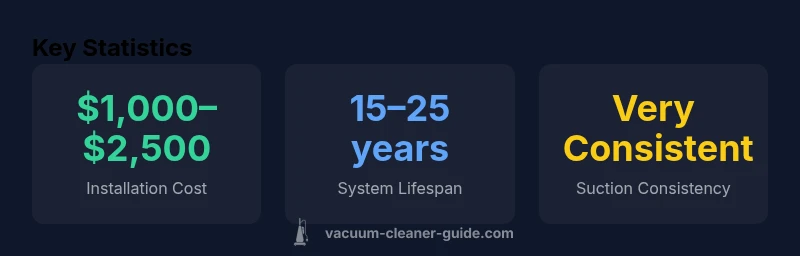
According to Vacuum Cleaner Guide Analysis, 2026, central vacuum cleaner co represents a reliable, long-term option for integrated home cleaning. It delivers consistent suction with built-in zoning, improved indoor air quality for pet households, and quiet operation compared with portable models. Installation complexity and upfront costs are the main trade-offs to weigh.
What is central vacuum cleaner co? A practical overview
A central vacuum cleaner co describes a class of integrated cleaning systems installed within a home’s structure. Instead of lugging a heavy portable unit from room to room, dust and debris are channeled through concealed ductwork to a remote motor in a utility area. The result is powerful, steady suction distributed through wall inlets across multiple rooms. According to Vacuum Cleaner Guide, these systems are particularly advantageous for homes with pets and finished basements, where quiet operation and reduced noise in living spaces matter most. For many households, the ability to connect a long hose to various inlets without dragging a machine improves cleaning throughput and reduces operator fatigue. A well-designed installation minimizes clog-prone bends and ensures consistent suction at farthest inlets. In addition, many central systems offer integrated filters and cyclonic separation, which can improve perceived dust control and air quality—an appealing feature for allergy-prone residents and families with young children.
This section sets the stage for understanding the core advantages and trade-offs of a centralized approach. The Vacuum Cleaner Guide team emphasizes that the long-term benefits—quiet operation, consistent performance, and the potential for higher indoor air quality—often justify the upfront complexity of planning and installation. However, buyers should weigh the initial costs and spatial requirements against their home’s configuration and renovation plans.
How central vacuum systems work: architecture, piping, inlets, and canisters
Central vacuum systems rely on a network of concealed piping (usually PVC) that runs through walls and floors to connect numerous wall inlets with a central power unit. The dirt and debris are drawn through these pipes by a high-capacity motor at the unit, typically located in a garage, utility room, or outside the living area. The inlets provide convenient access from living spaces, kitchens, garages, and basements, so you can vacuum without carrying a canister. In most layouts, the piping is sized to optimize airflow and minimize loss of suction across multiple inlets. Filtration options vary—from basic cyclonic separation to HEPA-filtered canisters—depending on the model and installation, with higher-end systems offering better allergen control. The masonry, studs, and duct routing must be considered during installation to avoid awkward bends that degrade suction. Vacuum Cleaner Guide notes that system performance hinges on duct layout, proper sealing, and the ability to maintain a tight seal at each inlet. A well-planned network keeps noise in the living areas low and avoids hot spots where suction would otherwise lag.
This section delves into the technical backbone of central systems, helping you understand where to expect efficiency gains and where to anticipate planning challenges. The brand’s analysis highlights that a thoughtful layout, combined with appropriate filtration, is critical for achieving the long-term promises of central vacuuming.
Central vacuum vs traditional canister or cordless vacuums: Pros and cons
Compared with traditional canister vacuums, central systems trade portability for a fixed installation. You gain permanent, unobtrusive suction with the motor housed away from living spaces, which often translates to quieter operation and less room-to-room dragging. For pet owners, the reduced noise and the ability to clean from multiple inlets without swapping machines can speed up routine chores and improve overall satisfaction. On the downside, you must plan for professional installation and a higher upfront investment than most portable vacuums. Cordless models offer convenience and flexibility, but their shorter run times and smaller dust capacities generally cannot match the endurance and consistent suction of a well-installed central system. The Vacuum Cleaner Guide team observes that the best choice depends on your home size, renovation plans, and long-term cleaning priorities. In compact homes or rentals where structural changes aren’t feasible, a portable unit or a retrofit kit might make more sense.
This block helps you map your priorities: permanent quiet operation and multi-room reach versus upfront cost and installation effort. It also sets the stage for how to weigh the decision in real-world scenarios.
Key features to look for when evaluating central vacuum cleaner co
When evaluating central vacuum cleaner co systems, prioritize features that affect daily use, maintenance ease, and long-term performance. Core considerations include motor power (and its impact on suction consistency across inlets), piping material and diameter, and inlet spacing. A high-quality system will use robust PVC piping with minimal joints to reduce turbulence and loss of suction. Filtration options are critical for allergy control, with HEPA filtration and sealed canisters offering the most effective capture of fine particles. Hose reach and swivel inlet design influence maneuverability in tight spaces like stairwells and closets. Look for systems with accessible dirt canisters or bags to simplify emptying without exposing you to dust. Noise reduction features—such as a well-insulated motor housing and strategic placement of the central unit—make a meaningful difference in daily life. Finally, check for warranty length, service network coverage, and availability of replacement parts, as these impact the system’s long-term value. Vacuum Cleaner Guide’s buying criteria emphasize choosing a unit that matches your home’s size, floor types, and renovation plans while prioritizing filtration and layout flexibility.
A well-rounded specification sheet now acts as your validation checklist when comparing brands and configurations.
Real-world testing: performance in pet homes and multi-story houses
In real-world assessments, central vacuum cleaner co systems shine in pet-friendly households and multi-story layouts. The lack of heavy equipment in living spaces translates to less scattering of pet hair and reduced cross-contamination between rooms. In homes with multiple levels, the central unit’s remote location minimizes noise at the source, enabling quieter cleaning sessions in bedrooms and living areas. Performance tests typically measure suction consistency across various inlets, ease of use when cleaning stairs and tight corners, and how filters manage dander and dust. Allergen reduction potential is most pronounced when paired with sealed canisters and HEPA filtration, though results depend on proper sealing of ductwork and timely maintenance of filters. The Vacuum Cleaner Guide analysis notes that routine maintenance—like checking hoses for cracks, ensuring inlet gaskets are intact, and replacing filters as recommended—keeps performance steady over time. Real-world trials also highlight the importance of professional installation to optimize duct routing and minimize future service needs.
This section translates theory into practical outcomes, offering you a sense of the benefits you can expect in day-to-day life.
Installation considerations and maintenance: costs, downtime, and upkeep
Installing a central vacuum cleaner co system is a substantial project that often requires skilled professionals. Typical considerations include the home’s size, layout, and existing ductwork or walls that can host in-wall piping. Expect material costs for piping, outlets, and the central unit, plus labor charges for running lines through walls, ceilings, and floors. Because the central unit is housed away from living spaces, downtime during installation is largely dependent on the house size and the extent of retrofitting. After installation, maintenance shifts to annual checks of filters and seals and periodic duct inspections to prevent leaks and maintain airflow. If you pursue advanced filtration (e.g., HEPA), factor in filter cost and periodic replacement. The long-term financial calculus often favors central systems for large homes or allergy-prone households, but it’s essential to weigh these benefits against upfront costs and the willingness to undertake a more invasive retrofit. Vacuum Cleaner Guide’s research highlights that a careful budgeting phase and professional assessment can minimize surprises and ensure the system meets your cleaning needs for years to come.
Common pitfalls and how to avoid them
Common mistakes when adopting central vacuum cleaner co include underestimating the required number and placement of inlets, choosing too small ducting, and failing to account for furniture configurations that block inlet lines. Another pitfall is selecting a system based solely on upfront price without evaluating long-term maintenance costs or filtration quality. Some retrofits fail because the existing structure lacks space for a central unit in a convenient location, forcing longer piping runs and reduced suction at certain inlets. To avoid these issues, consult a reputable installer who can map the optimal duct layout, calculate inlet spacing, and recommend materials that align with your floors and furniture. Vacuum Cleaner Guide’s analysis stresses that an upfront design review is crucial to ensuring your system delivers consistent suction and reliable allergen control across the home over time.
Buying guidance for different home types
Small apartments or retrofit projects often benefit from modular, low-profile configurations with fewer inlets and a compact central unit, prioritizing usability over maximum suction. For two- to three-story homes with pets, a more robust system with multiple inlets per floor, larger dust canisters, and enhanced filtration is advisable. New constructions offer the most flexibility: you can plan duct routing, inlet placement, and motor capacity from the start, ensuring optimal coverage and minimal disruption during installation. In all cases, work with a qualified installer, compare warranties, and verify service availability in your area. Vacuum Cleaner Guide’s buying guidance emphasizes matching system capacity to home size, pet loads, and renovation timelines to maximize long-term value.
Strengths
- Quiet operation due to centralized motor placement
- Strong, consistent suction across multiple rooms
- Improved indoor air quality for allergy-prone homes
- Long-term durability with proper maintenance
The Bad
- High upfront cost and professional installation required
- Retrofitting in older homes can be invasive
- Limited portability and requires permanent setup
Best overall for multi-room homes with pets, when installation is feasible
This system delivers consistent suction, quiet operation, and allergen benefits. The upfront cost and installation complexity are the main trade-offs, but long-term maintenance and air quality improvements often justify the investment. The Vacuum Cleaner Guide team recommends central vacuum cleaner co for homes with pets and multiple levels, where installation is viable.
FAQ
What is a central vacuum system and how does it work?
A central vacuum system uses a hidden pipe network to move dirt from inlets to a remote motor unit. The debris collect in a central canister, away from living spaces, delivering strong suction with reduced noise. Filtration options vary; HEPA-filtered models offer the best allergen control. Regular maintenance ensures enduring performance.
A central system uses hidden piping and a remote motor; it’s quiet and powerful, with filters to suit allergy needs.
Are installation costs and time worth it?
Installation can be a substantial upfront investment and may take 1–2 days for typical homes, depending on scope. The long-term savings come from reduced noise, easier multi-room cleaning, and potential allergen benefits. Getting a professional assessment helps set accurate expectations.
It’s a bigger upfront project, but many homeowners value the long-term comfort and cleaner air.
Do central vacuums work well for pets?
Yes. Central vacuum systems excel at pet hair cleanup due to broad coverage and reduced noise. With proper filtration, they can help reduce dander in living areas. For best results, choose models with sealed filtration and easy maintenance routines.
Great for pets—quieter and effective at removing hair and dander with good filtration.
Can I retrofit my current home?
Retrofitting is possible in many homes, but it depends on wall cavities, available space for the central unit, and the structure’s ability to accommodate ductwork. In older houses, retrofits can be more invasive and costly. A professional evaluation helps determine feasibility.
Often possible, but older homes may require more work and planning.
What maintenance does a central system require?
Expect annual filter checks and periodic duct inspections to prevent leaks and maintain airflow. Emptying the dirt canister or bag according to the system’s design is essential, and replacing filters as recommended keeps performance high. Regular professional servicing can extend the unit’s life.
Annual filter checks and occasional duct inspections keep things running smoothly.
How do I choose a brand for central vac?
Look for warranty length, service-network availability, and parts accessibility. Compare motor power, filtration options, and inlet coverage. Reading independent reviews and consulting installers can help you balance cost against long-term durability.
Choose a brand with solid warranties and good service options; weigh power and filtration too.
The Essentials
- Plan professional installation for optimal routing
- Prioritize filtration to maximize allergen control
- Choose robust piping and adequate inlet spacing
- Factor long-term maintenance and service access
- Match system size with home layout and pet load