Can You Throw Vacuum Cleaners in the Garbage? A Practical Disposal Guide
Discover how to dispose of vacuum cleaners properly, can you throw vacuum cleaners in the garbage, and explore recycling, donation, and take-back options for safe, legal waste handling.


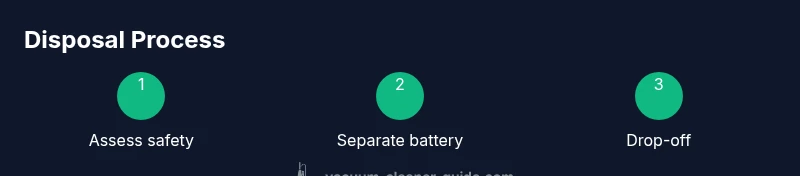
According to Vacuum Cleaner Guide, can you throw vacuum cleaners in the garbage? Disposing of a vacuum cleaner involves following local e-waste rules and choosing approved options. You can recycle, donate, or take-back programs before considering landfill. If the unit has a removable battery, separate it and recycle or dispose of it at a battery collection site. Never dump hazardous components into the trash; keep electronics intact for proper processing. The goal is safe, compliant disposal.
can you throw vacuum cleaners in the garbage
Yes, you can dispose of a vacuum cleaner, but you should not treat it as a regular household trash item. Many communities regulate electronic waste (e-waste) and require recycling or proper disposal of large appliances. The question can you throw vacuum cleaners in the garbage is often answered with caution: local rules may prohibit it, and improper disposal can pollute the environment and create hazards. According to Vacuum Cleaner Guide, can you throw vacuum cleaners in the garbage if local rules permit? The overall best practice is to seek approved channels first. For homeowners and pet owners, this means verifying options like certified e-waste recycling, retailer take-back programs, or municipal bulky-item programs before you decide to bag it and place it at the curb. In addition, understanding what parts may be hazardous—such as batteries, cords, or electronic components—helps you prepare the unit for the correct stream. This section will help you map a compliant disposal plan, compare options, and avoid common pitfalls.
Local rules and reputable disposal channels
Disposal rules vary widely by city, county, and state. The most reliable approach is to check your local government’s waste management or recycling page for guidance on bulky items and e-waste. Certification lists for e-waste recyclers help ensure your unit is processed responsibly. Retailers often offer take-back programs when you buy a replacement; some even accept old vacuums regardless of whether you bought there. If you can, choose programs that disclose processing steps, recycling rates, and how they handle battery extraction. Vacuum Cleaner Guide analysis shows that communities with robust take-back options see higher recycling rates and lower improper disposal. Planning ahead reduces the risk of dumping and makes the process smoother for you and your family.
Donating or reselling: when it makes sense
Donating a vacuum cleaner in good working condition can extend its life and reduce waste. Local charity shops, community centers, or online marketplaces sometimes accept large appliances, but check for working condition requirements. Some programs will pick up donations, while others require you to drop off at a designated location. If the unit is not fully functional, consider repair options or selling for parts. Donated vacuums should be free from hazardous damage and cleaned to a reasonable standard to maximize their resale value. Always obtain receipts if available for tax or disposal records.
Batteries, cords, and hazardous components
Many vacuums include a removable battery or contain electronic components that require special handling. Batteries should be removed and recycled separately at a designated battery recycling location. If your vacuum uses a lithium-ion battery, take extra precautions to prevent short circuits during transport. Cords should be kept with the unit or properly coiled and taped to prevent damage. Do not attempt to disassemble high-voltage components or remove sealed electronics by force. Proper separation minimizes hazards and ensures recyclers can process materials effectively.
Finding the right drop-off or take-back program
Start by searching for local e-waste facilities, municipal programs, or retailer take-back options. Many cities publish a searchable directory of approved drop-offs, while some manufacturers host nationwide or regional programs. If you cannot locate a nearby facility, call your city’s waste department for guidance on permitted disposal streams. Keep a log of where you dropped off the unit, the date, and any reference numbers. This information will be useful for future audits or personal records.
Preparing the unit for transport
Before moving the vacuum, ensure it is unplugged and cool. Remove any detachable batteries and place the main unit in a sturdy box or bag to prevent damage during transit. If you must transport with a loose battery, wrap it in non-conductive material and keep it upright. Label the package as “Hazardous Waste” or “E-Waste” if your local program requires it. Ensure you have a clear path to the drop-off location to avoid slips or trips while carrying a heavy appliance.
Common myths and disposal mistakes to avoid
Myth: All vacuums can be thrown in the trash with no issue. Fact: Many jurisdictions regulate e-waste and bulky appliances, with penalties for improper disposal. Myth: Recycling is always free. Fact: Some programs charge a small handling fee or require you to drop off at a specific site. Mistake: Not removing the battery. Fact: Batteries often require separate recycling to prevent fires. Myth: Donating is always best. Fact: Donating makes sense only if the unit is safe to operate and can be resold or donated locally. Addressing these myths helps you make informed decisions.
Documentation and receipts for disposal
Keep receipts or confirmation numbers from the disposal program. Documentation protects you in case local audits occur or you need proof of compliant waste handling. Some programs provide digital receipts; others issue paper confirmations. Photograph the unit and any labels before drop-off to help you remember the exact model and components. If you donated, request a donation receipt for your records or potential tax benefits. Vacuum Cleaner Guide emphasizes the importance of keeping clear records for every disposal action.
Tools & Materials
- Access to local e-waste recycling directory(Find a certified drop-off near you using your city or state resources.)
- Safety gloves(Protect hands when moving heavy appliances.)
- Clear workspace or tarp(Contain dust and prevent debris from entering the home.)
- Battery removal tool or screwdriver(Only needed if the battery is easily removable and you know how to safely detach it.)
- Sturdy box or bag for transport(Protect the unit during transit to the recycling/drop-off location.)
Steps
Estimated time: 30-60 minutes
- 1
Unplug and inspect the unit
Ensure the vacuum is unplugged and cool before handling. Inspect for removable components like batteries or bags. This initial check prevents shocks, sparks, or damage during transport.
Tip: If the unit has a sealed battery, do not attempt to remove it unless you know the correct procedure. - 2
Remove the battery safely (if present)
If your model has a removable battery, disconnect it following the manufacturer’s guidelines. Place the battery in a non-conductive container for separate recycling.
Tip: Wrap the battery terminals with non-conductive tape to prevent short circuits during handling. - 3
Locate approved disposal options
Consult local e-waste programs, retailer take-back services, or charity donations. Use official directories to avoid unverified recyclers.
Tip: Call ahead to confirm acceptance of large appliances and whether battery removal is required. - 4
Prepare the unit for transport
Secure loose parts, coil cords, and place the vacuum in a sturdy box or bag. Label the package if required by the program.
Tip: Avoid loading into buses or crowded spaces when transporting heavy items. - 5
Drop off or schedule pickup
Take the unit to the selected facility or arrange a pickup with the program. Obtain any confirmation or receipt.
Tip: Take photos of the drop-off to document the process. - 6
Document disposal for records
Log the disposal date, location, and reference numbers. Keep receipts for future reference or tax purposes.
Tip: Store digital copies in a dedicated folder for easy access.
FAQ
Is it illegal to throw a vacuum cleaner in the garbage?
In many places, local laws prohibit or restrict disposing of electronics with regular trash. You should check your municipality’s guidelines for bulky items and e-waste disposal. When in doubt, use an approved recycling or take-back option.
Many places don’t allow trashing electronics. Check local rules and use an approved recycling or take-back program.
Can I donate a used vacuum cleaner that still works?
Donating a working vacuum cleaner is often a good option if a charity or community organization accepts large appliances. Not all donors qualify, so verify the item’s condition and any local donation guidelines before dropping off.
Yes, if the vacuum works and the charity accepts appliances, donating is a great option.
Do most vacuums have batteries I need to remove?
Many modern vacuums use rechargeable batteries. If removable, detach the battery following the manufacturer’s instructions and recycle it separately at a proper facility.
Many vacuums have batteries that may need to be removed for proper recycling.
Where can I find a disposal drop-off near me?
Use your city’s waste portal or a national e-waste directory to locate a certified drop-off site or retailer take-back program. Local government pages typically list acceptable items and hours.
Check your city’s waste portal or a recycling directory for nearby drop-offs.
Should I remove the bag before disposal?
In most cases, the bag can be left with the unit if the program accepts full appliances. If removing the bag helps with recycling or helps the unit physically fit in the drop-off, do so.
Usually, you can leave the bag, but check the program’s acceptances first.
The Essentials
- Check local e-waste rules before disposal
- Recycle or donate when possible to extend product life
- Coordinate battery removal with a certified program
- Keep receipts for disposal records
- Avoid DIY disassembly of hazardous components